21 classic songs to learn Spanish through music
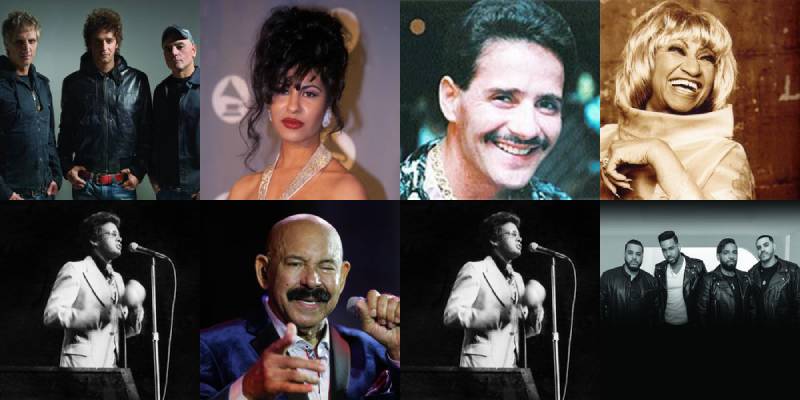
These are the classics, the songs that never left the party. Salsa, bachata, boleros, merengue, rock en español, all of them with one line that teaches you something a textbook won't.
Here's what each one is, and the phrase to listen for.
La Bamba by Ritchie Valens
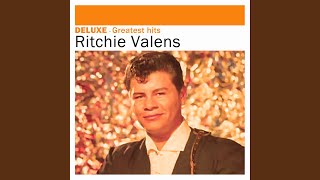
A folk song from Veracruz, Mexico, that Ritchie Valens turned into a rock hit in 1958, when he was 17. The chorus tells you exactly what you need: "se necesita una poca de gracia", you need a little bit of grace.
Bésame Mucho by Andrea Bocelli

Consuelo Velázquez wrote this bolero in 1941 and said she had never been kissed when she did. "Bésame mucho" means kiss me a lot, and the next line raises the stakes: kiss me as if tonight were the last time.
Me Gustas Tu by Manu Chao

A French-born singer runs through a list of things he likes, then checks the time in Havana. "Me gustas tú" is how Spanish says I like you, and it works backwards: word for word, you are pleasing to me.
Burbujas de Amor by Juan Luis Guerra

The Dominican star wants to be a fish in his lover's fishbowl, blowing bubbles of love all night. Corny on paper, and somehow it works when he sings it.
Llorarás by Oscar D'León

Venezuela's Lion of Salsa has a woman who keeps dodging him: "si te busco por aquí, me sales por allá", I look for you here and you pop up over there. The title is his prediction, "llorarás", you will cry.
Qué Locura Enamorarme de Ti by Eddie Santiago
Salsa romántica from Puerto Rico, and a full friend-zone confession: he keeps calling her "amiga", friend. The title says it all, what madness to fall in love with you.
El Día De Mi Suerte by Héctor Lavoe and Willie Colón
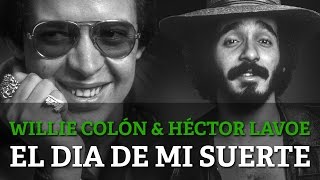
Lavoe had a hard life and sings like a man who has earned his optimism. "Pronto llegará el día de mi suerte", soon my lucky day will come, is a free lesson in the future tense.
Será porque te amo by Ricchi e Poveri

An Italian band singing their own hit in Spanish. Listen to "será": it's the future tense, but here it means a guess, so "será porque te amo" comes out as it must be because I love you.
La Vida Es Un Carnaval by Celia Cruz

The Cuban queen of salsa, whose stage cry was "¡Azúcar!", sugar. Here she tells anyone who thinks life is unfair that they've got it wrong, "hay que vivirla", you have to live it.
A Puro Dolor by Son By Four

A late-night call to an ex, opening with "perdona si te estoy llamando", sorry if I'm calling you. The Puerto Rican group also cut a Spanglish version, Purest of Pain, that crossed into the Billboard Hot 100.
La Tortura by Shakira and Alejandro Sanz

A duet about a man begging for another chance. Catch "pa' ti": people drop the end of "para" all the time when they talk, and songs are where you learn to hear it.
Obsesión by Aventura and Judy Santos

The Bronx bachata group that called itself the Kings of Bachata. It's five in the morning and "yo no he dormido nada", I haven't slept at all, and he admits it's not love, it's obsession.
Alfonsina y el mar by Mercedes Sosa

Argentina's Mercedes Sosa, La Negra, sings about the poet Alfonsina Storni and her final walk into the sea. The first image is "la blanda arena que lame el mar", the soft sand the sea licks. Save this one for a quiet night.
No Me Queda Más by Selena

The Queen of Tejano music at her most heartbroken. "No me queda más que..." means all I've got left is to..., a phrase you'll use the next time a plan falls through.
Tú Con Él by Frankie Ruiz

Three words, no verb, and the whole story: you, with him. Frankie Ruiz waits while she moves on, "el tiempo corre, yo te espero", time runs, I wait for you.
Ahora Quién by Marc Anthony

The best-selling tropical salsa artist ever, asking one jealous question after another. "¿A quién vas a decirle ahora te amo?", who are you going to say I love you to now, drills "vas a" plus a verb until it's yours.
Suavemente by Elvis Crespo

The Puerto Rican merengue hit that went to number one on Billboard's Hot Latin Tracks in 1998. "Suavemente, bésame", softly, kiss me: add "-mente" to "suave" and you've built an adverb.
Corazón Culpable by Antony Santos

One of the fathers of modern bachata opens by shouting himself out: "Mami, es el mayimbe otra vez". "Mami" here means babe, and "mayimbe" is Dominican slang for the boss, from a Taíno word for chief.
La Camisa Negra by Juanes

Juanes, from Medellín, wears a black shirt because his love has died on him. "Hoy mi amor está de luto", today my love is in mourning, and "estar de luto" is exactly how you'd say it about a real funeral.
De Música Ligera by Soda Stereo

The Argentine anthem of rock en español, from the 1990 album Canción Animal. "Y yo desperté queriendo soñarla", and I woke up wanting to dream of her, is Gustavo Cerati at his most cinematic.
Eres by Café Tacvba

The Mexican band named itself after a Mexico City coffee shop, then swapped the u for a v to dodge a legal fight. "Eres" means you are, and the whole song is a list of what she is to him. It won the Latin Grammy for Best Rock Song.
Where to start
Pick the one you already half know. Then read the lyrics line by line next to the English, play the song again, and notice how much more you catch. Want the method? Read how to learn languages with music.

