Learn German With Silbermond with these 23 Song Recommendations (Full Translations Included!)
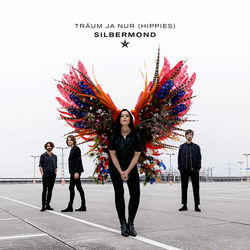
Silbermond is a pop-rock band from Bautzen, in the eastern German state of Saxony. The group formed in 2000 out of a youth choir project, originally singing in English before switching to German and taking the name Silbermond ("silver moon") in 2001. The lineup, unchanged since the start, features lead singer Stefanie Kloß alongside Andreas Nowak and brothers Johannes and Thomas Stolle.
Their 2004 debut album, Verschwende deine Zeit, went multi-platinum and won them Germany's Echo Award for Best Newcomer, launching a run of chart-topping releases including Laut gedacht, Nichts passiert, and Schritte. Over two decades, Silbermond has become one of Germany's most consistently popular rock acts, picking up multiple Echo Awards and an MTV Europe Music Award along the way.
"Sexy" comes from Auf auf, their 2023 studio album, and captures the band's knack for anthemic, feel-good rock built around Kloß's powerful vocals. Now marking 25 years together, Silbermond continues to tour German stadiums and remains a fixture of the country's music scene.
Life moves way too fast, and that is exactly the problem Silbermond tackles in "Irgendwas Bleibt". Lead singer Stefanie Kloß sounds exhausted by a world that changes by the minute. She asks for a guarantee that a promise made today will still mean something tomorrow: "Und dass das Wort, das du mir heute gibst / Morgen noch genauso gilt" ("And that the word you give me today / Still counts just the same tomorrow"). The German phrasing beim Alten sein pops up when she begs, "Doch bitte schwör, dass wenn ich wieder komm / Alles noch beim Alten ist" ("But please swear that when I return / Everything is still the way it used to be"). It is a super common everyday idiom that means keeping things familiar and unchanged.
Instead of chasing modern hustle, the chorus asks for someone to literally slow down the clock. When she sings "Nimm mir ein bisschen Geschwindigkeit" ("Take away a bit of speed from me"), she is begging for a brake pedal against the noise outside. The core line of the whole track is "Gib mir in dieser schnellen Zeit / Irgendwas das bleibt" ("Give me in this fast time / Something that stays"). She wants a person who can be an anchor, offering a quiet shelter where "Das Hier bleibt unberührt" ("This place right here stays untouched"), even when the rest of the world completely loses its mind.
“Himmel Auf” – literally “Sky Open Up” – is Silbermond’s soulful shout into the clouds for anyone who feels stuck under unending gray. In the first verse we meet a man lugging “a thousand crosses” through a colorless routine, watching the clock carve lines in his face. In the second, a woman drifts through Berlin’s cold streets, numbing herself with “sweet poison.” Both characters share the same simple dream: a tiny slice of luck and the moment when the sky finally tears open so that light can pour in.
Silbermond’s lead singer Stefanie Kloß turns their plea into an anthem of quiet resilience. The repeated question “Wann reißt der Himmel auf?” (“When will the sky open up?”) becomes a hook that listeners can cling to, reminding us that even in the darkest tunnel there is a distant glow. The song balances raw realism with stubborn hope, urging us to keep walking, keep asking, and believe that a crack of blue will appear for everyone – for him, for her, and for you.
Have you ever spent an entire evening staring at the ceiling because someone has completely taken over your thoughts? In "Durch Die Nacht", German pop-rock band Silbermond puts that exact feeling into words. The speaker is completely stuck in an endless loop: "Kann mich wieder nicht ablenken, alles dreht sich nur um dich" ("Can't distract myself again, everything revolves only around you"). No matter where she tries to run, she ends up back at square one, waking up in tears and asking out loud when the mental replay will finally stop.
What makes this track hit so hard is the contrast between feeling helpless and deciding to push through anyway. The chorus repeats the tough battle cry: "Und ich kämpf' mich durch die Nacht" ("And I fight my way through the night"), admitting that while she desperately wants and needs to get this person out of her head ("Ich krieg' dich nicht aus meinem Kopf"), it feels impossible. Yet, there is a sharp moment of clarity in the second verse where she admits, "Denn nur ich hol' mich da raus" ("Because only I can get myself out of here"). It is a stubborn, honest track about surviving the late-night heartbreak spiral on your own terms.
Tu connais cette sensation d'être coincé dans tes pensées en pleine nuit, incapable de dormir parce qu'une personne refuse de quitter ton esprit ? C'est exactement le combat que mène le groupe pop allemand Silbermond dans Durch Die Nacht. Dès le début, la chanteuse compte les jours dans son lit et avoue : « Alles dreht sich nur um dich » (Tout ne tourne qu'autour de toi). Elle a beau vouloir fuir cette histoire, elle a l'impression de toujours revenir au point de départ. Elle dit même avoir épuisé tous ses vœux pour cette relation avec la formule directe « Alle meine Wünsche / Habe ich an dir verbraucht » (Tous mes souhaits, je les ai dépensés pour toi).
Le refrain frappe fort avec l'expression « Ich kämpf' mich durch die Nacht » (Je me bats à travers la nuit). Le verbe pronominal sich durchkämpfen montre bien une vraie traversée d'obstacles, comme si arriver au matin demandait un effort physique. Elle répète qu'elle se réveille en larmes et qu'elle doit absolument chasser cette personne de sa tête (« Ich krieg' dich nicht aus meinem Kopf », littéralement : je n'arrive pas à te sortir de ma tête, où le verbe familier kriegen remplace bekommen). C'est un morceau pop direct et sans détour sur l'insomnie et le besoin urgent de tourner la page, même quand le cœur refuse d'obéir.
Imagine a grand symphony that once sounded perfect, but now all you hear is the quiet drip-drip of rain. That is the picture German rock-pop band Silbermond paints in “Symphonie”. The singer looks at a love that has gone from passionate crescendos to uncomfortable silence. Familiar arms no longer feel safe, conversations are choked by pride, and the couple is literally “standing in the rain” with nothing left to give. Each line circles the painful realization that even the most promising duet can slip out of tune when communication falters and expectations clash.
“Symphonie” is ultimately about the courage to end a relationship once harmony is lost. The title’s irony is powerful: a symphony should be full of rich melodies, yet here it marks the moment everything falls quiet. Rather than forcing notes that no longer belong together, the song suggests stepping away so that both partners can find new rhythms elsewhere. It is a bittersweet but liberating message, wrapped in emotive vocals and soaring guitars that echo the storm inside the heart.
This song is a huge celebration of finding that one person who makes you feel completely yourself. It kicks off with some really dramatic lines about escaping a boring life, like "Komm, wir nehmen den nächsten Zug in die Nacht / Jagen den Trott aus der Stadt" (Come, let's take the next train into the night / Chase the rut out of the city). The singer wants to let go of everything, suggesting they "geben die Kontrolle ab / Wie 'ne Jacke an der Garderobe" (give up control / Like a jacket at the coat check). It's all about breaking free with someone special.
The whole point is how this person makes them feel. The chorus is a simple but powerful declaration: "Ich fühle mich sexy / Du tust mir gut" (I feel sexy / You do me good). It's not about looks, but about feeling good in your own skin, exactly as you were made. The song builds on this, saying that with this person, the singer feels "maximale Liebe / Maximalen Frieden" (maximum love / maximum peace) and, most importantly, "Bin ich maximal ich" (I am maximally me). It's a fantastic anthem for a love that doesn't just feel good, but makes you feel more like you.
Silbermond's "Mein Osten" is a really personal and powerful song about the singer's connection to her East German homeland. She starts by remembering "die traurigen Bilder einer dunklen Nacht" [the sad images of a dark night] and seeing her hometown's name in the news, making it clear she's thinking about some difficult times. But through it all, she insists, "Ich vergess' nicht, wo ich herkomm'" [I don't forget where I come from].
It's not just blind loyalty, though. She acknowledges the anger there, singing, "Versteh zum Teil auch deine Wut" [I partly understand your anger], and she sees the divisions, saying "Risse gehen durch Familien / Und ein Riss geht auch durch mich" [Cracks run through families / And a crack also runs through me]. She's blunt about what won't help, stating that "Ideen von 1933" [ideas from 1933] are definitely not the answer. Despite the challenges, she still sees the good, remembering "dein' freundlichen Blick / Ruppig, herzlich, wie du bist" [your friendly gaze / Rough, hearty, as you are]. It's a promise to stand by her roots, to fight for a better future, and to make sure "deine Ängste nicht gewinnen" [your fears don't win].
Silbermond’s punchy anthem Mach's Dir Selbst is a friendly wake-up call for anyone stuck in daydreams. The lyrics paint vivid pictures: a person who wants to race a Ferrari but still rides the streetcar, who binges daytime talk shows instead of creating their own adventure. With playful irony, the band shows what happens when big wishes meet small actions. The verdict? Life will feel as thrilling as a paddle boat if you do not grab the steering wheel yourself.
The chorus delivers the core message in three simple words: Mach's dir selbst – do it yourself. Stop waiting for luck, quit copying the crowd, and start shaping your future with your own hands. Once you dare to cross your personal comfort line, everyday problems shrink and new possibilities pop up. The song turns self-reliance into a catchy mantra, encouraging listeners to trade passivity for action and transform their biggest dreams into tangible reality.
This song tells the story of someone named Sophie who is running away from home. She's on a late-night bus, wiping tears from her face, trying to get "weit, weit weg von hier" [far, far away from here]. The town she's leaving sounds small and suffocating, a place where "Alle reden in deiner Stadt / Mit wem du schläfst und was du machst" [Everyone talks in your town / About who you sleep with and what you do]. She doesn't know where she's going, only that staying would be wrong.
The second verse reveals why she has to leave. The lyrics describe "Der ganze Frust deiner Mum / Blau-violett auf deinen Armen" [All your mom's frustration / Blue-violet on your arms]. Sophie is a victim of domestic abuse, hiding her bruises with long sleeves even in the summer. The townspeople gossip and ask why she put up with it, but the singer turns the question back on them: "Doch warum haben wir nichts getan?" [But why did we do nothing?]. It's a powerful song about escaping a terrible situation and the hope of starting a new life, even when the future is completely unknown.
Dans "Sexy", le groupe allemand Silbermond balance une invitation directe à tout plaquer pour fuir la routine. Dès le départ, la chanteuse propose d'abandonner les tracas du quotidien : « Komm, wir geben die Kontrolle ab / Wie 'ne Jacke an der Garderobe » (Allez, on lâche le contrôle / Comme une veste au vestiaire). L'idée est simple : prendre le premier train de nuit, laisser la musique servir de défouloir (« Musik als Ventil ») et retrouver une liberté totale aux côtés de la personne qui compte.
Le refrain est une affirmation brute et sans détour : « Ich fühle mich sexy / Gut so wie man mich schuf » (Je me sens sexy / Bien comme on m'a créé). Être avec l'autre permet d'être pleinement soi-même (« Bin ich maximal ich »), loin d'une vie qui serait autrement « 'ne graue gähnende Leere » (un vide gris et béant). C'est un morceau pop direct qui célèbre la nuit, les amis et le sentiment de bien-être sans artifice.
Ten popowy kawałek od niemieckiego zespołu Silbermond to czysta, bezpretensjonalna radość z bycia sobą i spędzania czasu z kimś bliskim. Zaczyna się od ucieczki od rutyny – wokalistka rzuca pomysł: Komm, wir nehmen den nächsten Zug in die Nacht (Chodź, wsiądźmy w następny nocny pociąg) i proponuje oddać kontrolę nad wszystkim tak prosto, jak zostawia się kurtkę w szatni (Wie 'ne Jacke an der Garderobe). Nie ma tu miejsca na nudę czy szarość dnia codziennego. Zamiast tego liczy się noc, muzyka jako wentyl bezpieczeństwa i druga osoba, przy której czujesz się najlepiej na świecie.
Najważniejsze jest jednak przesłanie w refrenie: Ich fühle mich sexy / Gut so wie man mich schuf (Czuję się sexy / Dobrze tak, jak mnie stworzono). Chodzi o pełną samoakceptację i luz, kiedy masz przy sobie kogoś, kto działa na ciebie kojąco (Du tust mir gut – Robisz mi dobrze / Działasz na mnie dobrze). W tekście pojawia się też świetne, potoczne słowo die Mucke (muza, muzyka), gdy padają toasty za noc, przyjaciół i wspólne chwile. W obecności tej drugiej osoby znika cała spina i zostaje tylko maximale Liebe (maksymalna miłość) oraz bycie w pełni sobą: Bin ich maximal ich (Jestem maksymalnie sobą).
Noen sanger vil bare at du skal gi fullstendig blaffen i hverdagens stress, og «Sexy» av det tyske popbandet Silbermond er akkurat den typen låt. Teksten inviterer deg med på en umiddelbar flukt: «Komm, wir nehmen den nächsten Zug in die Nacht» (Kom, vi tar neste tog ut i natten). I stedet for å bekymre seg for alt mulig, foreslår vokalist Stefanie Kloß at man henger fra seg selvkontrollen «wie 'ne Jacke an der Garderobe» (som en jakke i garderoben). Det er en herlig, uformell stemning der musikken fungerer som en ventil og tosomheten blir et slags rusmiddel.
Kjernen i låten handler om den befriende følelsen av å ha det bra i eget skinn sammen med noen man er glad i: «Ich fühle mich sexy / Gut so wie man mich schuf» (Jeg føler meg sexy / God akkurat slik jeg ble skapt). Mot slutten skåler teksten for de enkle gledene med ordet «Mucke», som er tysk slang for musikk: «Einen auf die Nacht / Zwei auf die Mucke» (Én for natten / To for musikken). Nærheten til den andre personen gir en ukomplisert ro, oppsummert i den herlig direkte linjen: «Bin ich maximal ich» (Er jeg maksimalt meg selv).
Šī vācu grupas Silbermond popdziesma ir par brīdi, kad tu vienkārši atmet visas rūpes un ļaujies mirklim kopā ar sev īpašu cilvēku. Dziesmas tēli aicina aizbēgt no ikdienas pelēcības: "Komm, wir nehmen den nächsten Zug in die Nacht" (Nāc, brauksim ar nākamo nakts vilcienu) un nodot kontroli pār dzīvi tāpat kā virsjaku pie ieejas pasākumā — "Komm, wir geben die Kontrolle ab / Wie 'ne Jacke an der Garderobe" (Nāc, atdosim kontroli / Kā jaku garderobē). Tā ir sajūta, ka pietiek tikai ar mūziku un otru blakus, lai aizmirstu visu pārējo pasauli.
Galvenais vēstījums šeit ir tīrs pašapziņas un miera lādiņš. Frāze "Ich fühle mich sexy / Gut so wie man mich schuf" (Es jūtos seksīgi / Labi tieši tāds, kāds tiku radīts) nav tikai par izskatu, bet gan par sevis pieņemšanu bez aizspriedumiem. Kad klāt nāk tuvība, dziesma skaita tostos: uz nakti, uz draugiem un uz "Mucke" (vācu sarunvalodas vārds mūzikai!). Otrā cilvēka klātbūtnē pazūd visi filtri: "Bin ich maximal ich" (Esmu maksimāli es pats).
Pop skupina Silbermond iz Nemčije v tej pesmi postavi stvari na svoje mesto z neverjetno energijo in dobro voljo. Gre za tisti osvobajajoči trenutek, ko preprosto odvržeš skrbi in nadzor, točno tako, kot pravi verz: "Komm, wir geben die Kontrolle ab / Wie 'ne Jacke an der Garderobe" (Pridi, opustiva nadzor / kot jakno v garderobi). Namesto sivega vsakdana izbereš nočni vlak, glasbo kot ventil za sprostitev in družbo nekoga, ob komer si lahko stoodstotno to, kar si. Brez olepševanja, točno takšen, kot si bil ustvarjen: "Gut so wie man mich schuf" (Dober takšen, kot so me ustvarili).
Besedilo slavi tisto pristno samozavest, ki jo začutiš, ko si ob pravi osebi: "In deiner Nähe / Fühle ich maximale Liebe / Maximalen Frieden / Bin ich maximal ich" (V tvoji bližini čutim maksimalno ljubezen, maksimalen mir, sem maksimalno jaz). Ko pevka nazdravlja s frazami "Einen auf die Nacht / Zwei auf die Mucke" (Enega na noč / dva na muziko), pri čemer je "die Mucke" nemški pogovorni izraz za glasbo, te enostavno potegne v ritem. Pesem ne filozofira: vzemi poljub, toplino, glasbo in uživaj v tem, da se v svoji koži počutiš privlačno in svobodno.
Saksalaisen Silbermond-yhtyeen pop-kappale Sexy heittää arjen harmauden roskiin heti kättelyssä. Laulussa hypätään yöjunaan, jätetään kontrolli narikkaan kuin takki ("Komm, wir geben die Kontrolle ab / Wie 'ne Jacke an der Garderobe") ja käytetään musiikkia pakoventtiilinä. Koko biisi pursuaa puhdasta vapautumista ja huoletonta yhdessäoloa, jossa toinen ihminen saa olon tuntumaan täydelliseltä juuri sellaisena kuin on: "Ich fühle mich sexy / Gut so wie man mich schuf" (Tunnen itseni seksikkääksi / Hyvänä juuri sellaisena kuin minut luotiin).
Kertosäkeessä ja säkeistöissä kohotetaan maljoja elämälle. Yhdessä kohdassa lauletaan rennosti: "Zwei auf die Mucke" (Toinen malja musalle) – saksan sana die Mucke on muuten hauska ja yleinen puhekielen ilmaisu musiikille. Kun ympärillä on yö, kaverit ja se oikea ihminen, syntyy täydellinen rauha ja itsevarmuus: "In deiner Nähe / Fühle ich maximale Liebe / Bin ich maximal ich" (Lähelläsi tunnen maksimaalista rakkautta / Olen maksimaalisesti minä). Tämä biisi muistuttaa, miten hyvältä tuntuu vain päästää irti ja nauttia hetkestä täysillä!
Pesma „Sexy” nemačke pop grupe Silbermond slavi slobodu, rasterećenje i onaj dobar osećaj kada si potpuno svoj pored prave osobe. Stefani Klos ovde peva o begu od rutine: poziva nas da uskočimo u noćni voz, ostavimo dosadu iza sebe i bukvalno predamo kontrolu kao jaknu na garderobi: „Komm, wir geben die Kontrolle ab / Wie 'ne Jacke an der Garderobe” (Hajde da predamo kontrolu / Kao jaknu u garderobi). Kroz muziku koja služi kao ventil („Musik als Ventil”), pesma gradi sliku noćnog izlaska gde su muzika, prijatelji i bliskost dovoljni za sreću.
Posebno je zanimljiv refren sa stihom „Gut so wie man mich schuf” (Dobra baš onakva kakvu su me stvorili), gde reč „sexy” ne znači samo fizički izgled, već čisto samopouzdanje i mir sa samim sobom. Nemački sleng se lepo vidi u stihovima za zdravicu: „Zwei auf die Mucke” (Dva za muziku), gde je Mucke opušten, ulični izraz za muziku ili svirku. Kada peva „Bin ich maximal ich” (Maksimalno sam ja), pesma pogađa tačno u centar: kada si sa nekim ko ti prija, sivilo nestaje i prestaješ da se pretvaraš.
Alman grup Silbermond, "Sexy" şarkısıyla günlük hayatın tekdüzeliğinden kaçıp tamamen anın tadını çıkarma isteğini anlatıyor. Şarkı, şehirden kaçmak için gece trenine atlamayı ve kontrolü bir ceket gibi vestiyere bırakmayı öneren samimi bir davetle başlıyor: "Komm, wir geben die Kontrolle ab / Wie 'ne Jacke an der Garderobe" [Gel, kontrolü vestiyere bir ceket gibi bırakalım]. Burada müziği bir çıkış kapısı, birbirlerini ise tek ihtiyaçları olan şey olarak görüyorlar.
Nakarat ise saf bir özgüven ve kabulleniş patlaması: "Ich fühle mich sexy / Gut so wie man mich schuf" [Kendimi seksi hissediyorum / Yaratıldığım halimle çok iyi]. Şarkının sonlarına doğru geceye, müziğe ve arkadaşlara kadeh kaldıran eğlenceli bir geri sayım başlıyor: "Einen auf die Nacht / Zwei auf die Mucke" [Biri geceye, ikisi müziğe]. Buradaki "Mucke" kelimesi Almancada müzik için kullanılan harika bir sokak ağzı tabiridir. Karşısındakinin yanında tamamen kendisi olabilmenin getirdiği o iç huzuru ve neşeyi her sözde hissediyorsun.
Sali sull'autobus di notte, ti siedi nell'ultima fila e ti asciughi le lacrime: inizia così "Sophie", una canzone pop diretta e senza sconti della band tedesca Silbermond (guidata dalla voce di Stefanie Kloß). La protagonista è una ragazza in fuga da una realtà pesante. Vive in un posto soffocante dove la gente parla troppo ("Alle reden in deiner Stadt / Mit wem du schläfst und was du machst" [Tutti parlano nella tua città / Con chi vai a letto e cosa fai]). Ma il problema non sono solo i pettegolezzi. Dietro la sua fuga ci sono i lividi lasciati dalla rabbia di sua madre ("Der ganze Frust deiner Mum / Blau-violett auf deinen Armen" [Tutta la frustrazione di tua madre / Blu-viola sulle tue braccia]).
Per nascondere quei segni, Sophie indossa felpe pesanti con il cappuccio tirato su anche in piena estate ("Lange Ärmel auch im Juli damit's keiner checkt" [Maniche lunghe anche a luglio perché nessuno se ne accorga]). Il verbo colloquiale tedesco "checken" significa proprio "capire", "notare al volo", ed è perfetto per mostrare il suo disperato tentativo di rendersi invisibile. Chi canta si fa carico di una domanda amara: perché la gente del posto si chiede come abbia fatto lei a sopportare tutto, invece di chiedersi perché nessuno ha mosso un dito per aiutarla? Alla fine, scappare su quel bus è l'unica scelta sana per lei: non sa cosa troverà davanti a sé, ma sa benissimo che restare lì sarebbe un errore.
Pusti si skladbu „Sexy“ a hneď ťa zaplaví vlna energie a slobody! Nemecká popová kapela Silbermond v nej hovorí o momente, keď sa rozhodneš zahodiť starosti a proste žiť prítomnosťou. Všetko sa začína plánom ujsť z bežného stereotypu: „Komm, wir nehmen den nächsten Zug in die Nacht / Jagen den Trott aus der Stadt“ (Poď, vezmeme najbližší nočný vlak / Vyženieme stereotyp z mesta). Veľmi sa mi páči prirovnanie, kde speváčka navrhuje odovzdať kontrolu nad životom tak ľahko ako kabát v šatni: „Komm, wir geben die Kontrolle ab / Wie 'ne Jacke an der Garderobe“ (Poď, vzdajme sa kontroly / Ako keď odložíš bundu v šatni). Hudba tu funguje ako bezpečný ventil a únik.
Srdcom celej skladby je pocit zdravého sebavedomia a blízkosti k niekomu dôležitému. Refrén neskrýva žiadnu falošnú skromnosť, keď spieva: „Ich fühle mich sexy / Gut so wie man mich schuf“ (Cítim sa sexy / Dobre presne tak, ako ma stvorili). Navyše sa tu objavuje skvelý hovorový výraz pre hudbu: „Zwei auf die Mucke“ (Dva [pripíjam] na hudbu) – slovo „die Mucke“ v nemeckom slangu znamená proste muzika. Po boku správneho človeka prichádza maximálny pokoj a možnosť byť úplne sám sebou: „Bin ich maximal ich“ (Som maximálne sám sebou). Je to jednoduchá, priama a nesmierne nákazlivá oslava dobrej nálady.
Forestil dig følelsen af at tage det næste nattog ud i det blå for at slippe væk fra hverdagens trummerum: Komm, wir nehmen den nächsten Zug in die Nacht (Kom, vi tager det næste tog ind i natten). Silbermond rammer en herlig, befriende stemning af bare at give slip på bekymringerne som en jakke i garderoben (Komm, wir geben die Kontrolle ab / Wie 'ne Jacke an der Garderobe). Sangen hylder det helt særlige selskab, der gør verden farverig og får en til at føle sig fuldstændig tilpas i egen krop – Gut so wie man mich schuf (God, som man blev skabt).
Det handler om ren livsglæde, venskab og god musik, som de kalder for Mucke (tysk slang for musik) i linjen Zwei auf die Mucke (To for musikken). Når man er sammen med den rigtige person, er der plads til både maksimal kærlighed, fred og bare at være 100 procent sig selv: Bin ich maximal ich (Er jeg maksimalt mig selv). Det er en ægte opturs-sang om at nyde øjeblikket og føle sig uovervindelig sammen med sine yndlingsmennesker.
Έχεις νιώσει ποτέ την ανάγκη να τα παρατήσεις όλα και να φύγεις με το επόμενο νυχτερινό τρένο; Αυτό ακριβώς φωνάζει το pop κομμάτι "Sexy" της γερμανικής μπάντας Silbermond. Η τραγουδίστρια Stefanie Kloß ξεκινάει με μια τρομερή εικόνα: "Komm, wir geben die Kontrolle ab / Wie 'ne Jacke an der Garderobe" (Έλα, ας αφήσουμε τον έλεγχο / Σαν ένα μπουφάν στην γκαρνταρόμπα). Χωρίς αυτόν τον άνθρωπο δίπλα της, η ζωή θα ήταν "'Ne graue gähnende Leere" (Ένα γκρίζο, βαρετό κενό). Η μουσική λειτουργεί σαν βαλβίδα αποσυμπίεσης ("Musik als Ventil") και οι δυο τους γίνονται ο ένας το «ναρκωτικό» του άλλου, αφήνοντας πίσω τη ρουτίνα της πόλης.
Το πραγματικό νόημα του κομματιού απογειώνεται στο ρεφρέν, όπου το να νιώθεις «sexy» δεν έχει να κάνει με την εμφάνιση που επιβάλλουν οι άλλοι. Το σύνθημα είναι "Gut so wie man mich schuf" (Καλά, ακριβώς όπως με έπλασαν), μια απόλυτη αποδοχή του εαυτού μας χωρίς φίλτρα. Στην πορεία, η παρέα μετράει τις προτεραιότητές της με γερμανική ακρίβεια: έναν για τη νύχτα, δύο για τη μουσική (χρησιμοποιώντας τη λέξη "Mucke", που είναι γερμανική αργκό για τη μουσική), τρία για τους φίλους και τέσσερα για τη σχέση. Δίπλα στον σωστό άνθρωπο νιώθεις "maximale Liebe" (μέγιστη αγάπη), "maximalen Frieden" (μέγιστη ειρήνη) και, πάνω απ' όλα, "maximal ich" (στο μέγιστο ο εαυτός μου).
Německá popová kapela Silbermond v téhle pecce sází na absolutní svobodu a skvělý pocit ze sebe samých. Hned na začátku tě vezmou na divokou jízdu: „Komm, wir nehmen den nächsten Zug in die Nacht“ (Pojď, nasedneme na nejbližší noční vlak) a nechají celý stereotyp za zády. Zpěvačka Stefanie Kloß tu skvěle vystihuje ten moment, kdy ze sebe shodíš všechny starosti – doslova zpívá „Komm, wir geben die Kontrolle ab / Wie 'ne Jacke an der Garderobe“ (Pojď, odložíme kontrolu jako bundu v šatně). Žádný stres, žádné přetvářky, jenom hudba jako ventil a dva lidé, kteří si navzájem stačí ke štěstí.
Celý refrén oslavuje zdravé sebevědomí a pohodu bez filtrů: „Ich fühle mich sexy / Gut so wie man mich schuf“ (Cítím se sexy, přesně tak, jak mě stvořili). Později v textu se navíc připíjí na noc, na přátele a na „Mucke“ – což je skvělý německý hovorový výraz pro muziku („Zwei auf die Mucke“ = Druhý na muziku). Když jsi s tím správným člověkem, svět přestane být šedivý a nudný, a ty se konečně cítíš sám sebou: „In deiner Nähe (...) bin ich maximal ich“ (Ve tvé blízkosti jsem maximálně já).
Néha mindenkinek szüksége van arra, hogy kiszakadjon a szürkeségből, és a Silbermond dala pont erről szól. Az énekesnő arra hív, hogy ugorjunk fel a következő éjszakai vonatra, és egyszerűen adjuk le az irányítást, mintha csak egy kabátot hagynánk a ruhatárban: „Komm, wir geben die Kontrolle ab / Wie 'ne Jacke an der Garderobe” (Gyere, adjuk le a kontrollt, mint egy kabátot a ruhatárban). Nem kellenek bonyolult dolgok a boldogsághoz, elég a zene szelepe és a másik közelsége, ami teljesen feltölti őket.
A refrén magabiztos és felszabadult: „Ich fühle mich sexy / Gut so wie man mich schuf” (Szexinek érzem magam / Jó így, ahogy megteremtettek). A dalban elhangzik a „Mucke” szleng szó is a „Zwei auf die Mucke” (Kettőt a zenére) sorban, ami a német hétköznapi nyelvben egyszerűen zenét vagy muzsikát jelent. A szám lényege a teljes felszabadulás: amikor a megfelelő ember van melletted, eltűnik a szürke unalom, és végre maximálisan önmagad lehetsz („Bin ich maximal ich” – Maximálisan én vagyok).

