Learn Italian With Ligabue with these 23 Song Recommendations (Full Translations Included!)
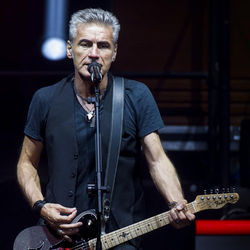
Luciano Ligabue, de Italia, es un cantautor que ha marcado la escena musical italiana con su rock. Comenzó su carrera a finales de los años 80, ganando rápidamente una base de seguidores leales. Su estilo musical se caracteriza por letras directas y un sonido potente.
Es conocido por himnos como "Certe notti" y "Urlando contro il cielo", canciones que se han convertido en clásicos. Álbumes como "Buon compleanno Elvis!" y "Miss Italia" son fundamentales en su discografía. Ligabue también ha incursionado en el cine como director, mostrando otra faceta de su creatividad.
¿Alguna vez te has quedado fuera de casa por perder las llaves? A la mayoría nos daría un ataque de rabia, pero el rockero italiano Ligabue le da la vuelta por completo. En «Oggi Ho Perso Le Chiavi Di Casa» convierte ese despiste cotidiano en la excusa perfecta para frenar: «Oggi ho perso le chiavi di casa / Oggi resto qui fuori un po' con me» («Hoy perdí las llaves de casa / Hoy me quedo aquí afuera un rato conmigo»). Quedarse tirado en la puerta se vuelve un respiro inesperado donde todo parece encajar mejor: «Oggi sento che va tutto bene» («Hoy siento que todo va bien»).
Entre guitarrazo y guitarrazo, la letra suelta preguntas filosóficas muy directas, como «Dov'è il cartello che / Han messo fra il bene e il male?» («¿Dónde está el cartel que han puesto entre el bien y el mal?»). También se burla con ironía de quienes creen tener la vida resuelta o el amor calculado en números: «In quale banca, quale conto / Che interessi avrà?» («¿En qué banco, qué cuenta, qué intereses tendrá?»). Y para rematar, manda a paseo a los pesimistas con un rotundo «Si fotta chi non lo farà» («Que se joda quien no lo haga»), señalando que quien dice saber siempre el futuro tiene la mirada apagada. Es un tema relajado y fresco para aprender que, a veces, quedarse encerrado afuera es el mejor plan del día.
Tu Sei Lei is Ligabue’s love-letter to that one special person who never stops taking his breath away. Even after “all these years,” the singer keeps catching himself staring wide-eyed at her quirks, her flaws, the way she dreams, and the way her very presence perfumes the room. The song celebrates the thrill of discovering that the person beside you is still full of surprises, still capable of making your heart race like the first time.
At its core, the track is a rock ballad about recognition and destiny. Among “so many people,” she is unmistakably the one: the woman who has saved him “from many different deaths,” guided him with honesty, and proven that the universe really does have a plan when it brings two souls back together. By repeating the refrain “Tu sei lei,” Ligabue turns a simple declaration into an anthem of enduring devotion—an invitation to believe that true love not only survives the years, it keeps on shining brighter.
Ever have one of those days where something small goes wrong and it somehow makes everything else feel right? That's the heart of this song. Ligabue isn't really panicking about losing his keys. Instead, he uses it as an excuse to stop and think. He sings, "Oggi ho perso le chiavi di casa / Oggi resto qui fuori un po' con me" (Today I lost my house keys / Today I'll stay out here a bit with myself). It's a moment of unexpected freedom, a chance to just sit with his own thoughts without the usual distractions of life.
This small problem opens the door to some big questions. He wonders about the lines between people, asking "Dov'è comunque che / Finisco io e cominci tu?" (Where is it anyway that I end and you begin?). He even questions the very nature of good and evil. But being locked out isn't a lonely or scary experience. It's a moment of peace and clarity. He feels that "va tutto bene com'è com'è" (everything is fine just as it is), finding comfort in just being with himself. It's a great rock song about how sometimes, losing your way for a minute is the best way to find yourself.
This song is built around one powerful idea: finding something, anything, and using it to feel better. The title line, "Mi ci pulisco il cuore" (I clean my heart with it), repeats over and over. Ligabue isn't talking about big, life-changing events. He cleanses his heart with small, specific things: someone's scent, the April sun that "scioglie il rancore" (melts resentment), some light music, or even just "il risveglio perfetto" (the perfect awakening) next to someone who knows how to kiss.
But this isn't a simple happy song. The chorus brings in a dose of reality. He sings, "Ci vediamo in giro / Con le tue paure / Con le mie" (We'll see each other around / With your fears / With mine). He acknowledges that life is full of fear and difficulty for everyone. The song suggests that this process of finding small joys to 'clean your heart' is exactly what life is. It's not about escaping the bad stuff, but about finding a way to keep going. The final, repeated line says it all: "L'han chiamato vivere" (They called it living).
En “Tu Sei Lei”, Ligabue canta a una mujer que, después de muchos años, todavía consigue sorprenderlo. Él sigue mirándola “a bocca aperta” [con la boca abierta], como si aún no pudiera entenderla del todo. Ella intenta esconder sus defectos, pero él dice que le gustan todos, aunque a ella le cueste aceptarlo. También la observa mientras sueña, consciente de que hay una parte de su mundo interior a la que no puede entrar: solo puede imaginarla. La expresión “quel nome da straniera” [ese nombre de extranjera] sugiere una identidad misteriosa, alguien que antes sabía estar sola y que ahora ya no tiene que hacerlo.
El estribillo repite la certeza del título: “Tu sei lei” [tú eres ella], la persona que él reconoce entre tanta gente y que, según dice, siempre lo ha sido. La relación aparece llena de detalles físicos y directos: ojos que ha visto “spesso nudi” [muchas veces desnudos, sin defensas], un corazón acelerado y unas pupilas dilatadas. Para él, reencontrarse no parece casualidad: “Se l’universo intero ci ha fatto rincontrare” [si todo el universo hizo que volviéramos a encontrarnos], algo debe significar. Ella le ha salvado de “qualche tipo di altra morte” [algún tipo de otra muerte], diciéndole la verdad, y deja su perfume como un mensaje sencillo: “io ci sono” [aquí estoy]. Es una canción de reconocimiento absoluto: él no la idealiza como alguien perfecta, sino que la mira tal como es y la identifica, inevitablemente, como ella.
Una Vita Da Mediano literally means “Life as a Midfielder.” In football, the midfielder roams the center of the pitch, winning back possession, absorbing tackles, and quickly passing the ball to flashier teammates who finish the play. Ligabue turns that gritty role into a life-lesson: you may not be born with dazzling footwork or the star quality of a number 10, but with stamina, discipline, and generosity you keep everything moving. The song salutes the anonymous hard-workers who stay lì nel mezzo—right there in the thick of it—so that others can score.
Behind the catchy riff sits a bittersweet truth. A midfielder’s batteries eventually run out; when you have “given too much,” you step aside and make room for fresh legs. Yet the chorus reminds us that even if applause is scarce, those relentless shifts can lead to a personal “World Cup” win: the quiet pride of knowing the game, or life itself, could not function without you. Ligabue’s anthem is a pulse-pounding tribute to every unsung hero who chooses sweat, teamwork, and heart over individual glory.
“Le Donne Lo Sanno” is Ligabue’s lively tribute to women’s almost magical intuition. Throughout the song, he repeats that “le donne lo sanno” — women know. They feel life before it happens, sense love before it is spoken, and recognize pain when it is still invisible. Ligabue paints women as experts of the heart: they can dance a little more, feel a little more, and move comfortably between the limits of pleasure, pain, love, and even horror.
The lyrics celebrate this heightened sensitivity without putting women on an unreachable pedestal. Instead, the song winks at their very human contradictions: they can hurt by simply “being absent,” yet they also remind us that “nothing is lost” and the sky, though light, is never empty. In short, Ligabue invites listeners to trust feminine insight, respect its power, and maybe — just maybe — let it pull the secrets of our own hearts into the open.
“Piccola Stella Senza Cielo” paints the picture of a brilliant yet fragile soul who shines brightly in a crowded world. The singer notices how many people are drawn to her light: some are dazzled, others try to pull her into their own darkness. He warns that her glow could make her burn out, like a meteor streaking across the sky, but at the same time he cannot look away from her hypnotic beauty. The chorus repeats the image of a “little star without a sky,” suggesting someone who has not yet found her place and risks being supported by only “a thread.”
Under the rock-ballad energy lies an affectionate plea: Hold on to yourself, believe in your light, and don’t let anyone dim it. Ligabue’s lyrics mix admiration with concern, turning the song into both a love letter and a protective lullaby for anyone who feels extraordinary yet exposed. It reminds us that even the brightest stars need a safe sky to keep shining.
Hop on Ligabue’s rattling railway and whistle-stop your way through boot-shaped chaos! In Made In Italy the singer paints a fast-moving postcard of the country, zipping from the reserved half-smile of Milano to Bologna’s nostalgic station, from the sinking splendour of Venezia to Torino’s hush-hush mysteries. The chorus’ ever-late train barrels onward past Firenze’s street dancer, Roma’s cracks that mend themselves, and Napoli’s proud insularity, reminding us that every carriage is jam-packed with stories, accents, and contradictions that together spell Italian identity.
The never-on-time train is more than transport; it is a playful metaphor for Italy itself: stunning, stubborn, and irresistibly alive. Ligabue celebrates hearts that hurt a little yet shine “belli come il sole,” embracing the beauty in imperfection, the warmth in chance encounters, and the shared moonlight stretching from Bari to Palermo. The song invites learners to feel the rhythm of a country where history hugs modern life, where passion rarely runs on schedule, and where we are all passengers in the vibrant, imperfect adventure that is Made in Italy.
Ligabue's "Essere Umano" is a rock anthem about the messy, contradictory, and brilliant business of being human. It's not a story with a beginning and an end, but a list of all the things we are, often at the same time. He kicks off with a reference to Adam and Eve, saying that being human is to "Cogliere la prima mela e tutti gli altri guai" (To pick the first apple and all the other troubles). From there, he lists our conflicting impulses: we try to outsmart fate, we shine without knowing it, and we can even "Piangere e uccidere ma nel vestito buono" (Cry and kill but in the good suit).
The chorus drives this point home with a series of powerful opposites. Life, he says, is a constant switch between being "Un giorno chiodo / Un giorno martello" (One day a nail / One day a hammer) or "Un giorno roccia / Un giorno cristallo" (One day rock / One day crystal). One day you're strong, the next you're fragile. One day you're the hero, the next you're the fool. The song argues that this constant change and internal conflict isn't a flaw; it's just the definition of being human.
La Ragazza Dei Tuoi Sogni paints the portrait of an almost magical woman: she knows you better than anyone, forgives just enough to keep you honest, laughs like a best friend, and brings surprise after surprise right when you need it. Ligabue sings about the thrill of sharing life with someone who is independent yet deeply connected, someone who can dance slowly with you and stay lodged in your heart long after the music stops. She lifts you up when you are down, turns everyday moments into something beautiful, and reminds you—sometimes by teasing you—what truly matters.
Yet the chorus drops a gentle warning: this perfect partner may only exist in your imagination. As long as la ragazza dei tuoi sogni remains a dream, you are free to keep searching the real world for love, flaws and all. The song becomes both a celebration of ideal love and a nudge to embrace reality, inviting listeners to balance their dreams with the beautifully imperfect people they meet.
This song is about that awful, quiet moment after everything has changed in a relationship. Ligabue describes a scene where just a minute ago, things were different: "Un minuto fa / Eravamo qua / Era diverso" (A minute ago / We were here / It was different). Now, the air is thick with things unsaid. The singer and his partner are stuck in a "Pomeriggio stupido" (stupid afternoon), feeling exposed and disconnected.
He perfectly describes the awkwardness of the situation with small, telling details. There's a fly that's been around so long it must have "fatto il nido" (made a nest), and his partner's face is only lit up by her phone screen. The song shows how a single minute can feel like a lifetime and change everything. It's about that feeling of numbness when you know something is over, and you just want to get through the pain as fast as possible, like pulling a tooth.
Niente Paura is Ligabue’s friendly shout over the noise of everyday chaos. The singer lists all the things that slip through our fingers – years, lovers, politicians’ empty promises, even our own dreams – and admits they can leave us dizzy. Yet every time anxiety starts to rise, the chorus answers with a smile: “Niente paura” (No fear). Life, he says, has a funny way of working itself out, and if you look up you can still spot the moon shining through the urban haze.
That moon becomes the song’s compass. Stormy winds may blow, deadlines may tighten and fallen stars might outnumber wishes, but the light is always there to remind us that hope survives the mess. Ligabue turns simple rock riffs into a pep-talk: embrace change, protect the dreams worth keeping, laugh at the lies you hear, and keep moving forward. After all, if the moon is visible even from down here, there is nothing to fear.
Sogni di Rock'n'Roll captures the electric thrill of a post-party road trip at 4 a.m., windows cracked open while heavy speakers rattle quiet streets. Ligabue paints a cinematic scene: friends laughing at bruised egos, making pit stops for the one who can’t hold his liquor, then flooring it again with rhythm-and-blues on the radio. The night is a playground where hang-ups disappear and gasoline, music, and youthful bravado become the only currency that matters.
Beneath the boisterous chants of “Sogni di rock’n’roll” lies a universal dream. Each passenger imagines life on stage as drummer, guitarist, bassist, or singer, united against the “idiots of playback” who fake what they feel. The song celebrates that heady moment before dawn when reality still bends to fantasy, and any curbside jam session can morph into a world tour. Wake them up and the spell breaks, so the engine keeps roaring while their rock’n’roll dreams stay vividly, stubbornly alive.
Ligabuen "Mi Ci Pulisco Il Cuore" on laulu, joka tuntuu puhdistavan sydämen monella tavalla. Se alkaa kuvauksella "Con questa luna ruffiana / Che ne vuole ancora / E batte la strada / Con il tuo odore" [Tällä parittaja-kuulla / Joka haluaa vielä lisää / Ja kulkee tietä / Sinun tuoksusi kanssa]. Laulaja käyttää tätä kaikkea, jopa toisen ihmisen tuoksua, puhdistaakseen sydämensä, ainakin hetkeksi.
Laulu jatkuu huhtikuun auringolla, joka sulattaa kaunan, ja kevyellä musiikilla, jota ei voi punnita tai käskeä. Nämä asiat ovat kaikki tapoja puhdistaa sydän ja ehkä jopa nähdä omaa kuvaansa. Laulaja myöntää, että hänellä on "ancora tutto da imparare" [vielä kaikki opittavana]. Laulun ytimessä on ajatus elämisestä kaikkine pelkoineen: "Finché tiene il cuore / Ci vediamo in giro / Con le tue paure / Con le mie / Con le tue paure / L'han chiamato vivere" [Niin kauan kuin sydän kestää / Nähdään taas / Pelkojesi kanssa / Minun pelkojeni kanssa / Pelkojesi kanssa / Sitä on kutsuttu elämiseksi]. Se on aika kaunis tapa nähdä elämä, eikö?
Taliansky rocker Ligabue v tejto skladbe prichádza so skvelou metaforou: Mi ci pulisco il cuore (Čistím si tým srdce). Používa ju ako odpoveď na všetko dobré aj zlé, čo okolo seba vidí. Nejde o žiadne veľké filozofovanie. Berie aprílové slnko, ktoré roztápa hnev (questo sole di aprile che scioglie il rancore), rozostlanú posteľ, ranné bozky, ale aj dotieravý mesiac (luna ruffiana – prefíkaný, lichotivý mesiac) a jednoducho nimi „leští“ svoje vnútro, aby mohol ísť ďalej.
Refrén prináša priamu definíciu života, bez príkras: L'han chiamato vivere (Nazvali to žiť). Podľa Ligabueho je život proste stretnutie vo svete s vlastným aj cudzím strachom (con le tue paure, con le mie), kým nám to srdce vôbec bije (finché tiene il cuore). Priznáva, že sa stále učí (ho ancora tutto da imparare), a ľahkú hudbu berie ako zrkadlo, ktorému nemôžeš rozkazovať, kam má ísť. Je to energická rocková pripomienka, že žiť znamená brať veci také, aké sú, a nezblázniť sa z toho.
Тази песен на италианския рокаджия Ligabue носи чудесно, леко и честно настроение. Заглавната фраза "Mi ci pulisco il cuore" буквално значи „Почиствам си сърцето с това“ – един от онези образи, с които героят премахва натрупаната тежест чрез малките, хубави моменти наоколо. Той взима всичко хубаво – от лукавата нощна луна ("luna ruffiana" [хитра/сводническа луна]), през топлия априлски ден ("questo sole di aprile / Che scioglie il rancore" [това априлско слънце, което разтапя обидата]), до разхвърляното легло след целувки ("il letto disfatto" [разхвърляното легло]) – и го ползва като балсам, за да изчисти душата си.
В текста няма претенции за абсолютна мъдрост. Ligabue направо си казва: "Ti dirò / Ho ancora tutto da imparare" („Ще ти кажа: имам още всичко да уча“). Цялата философия се събира в простия припев за оцеляването напук на всичко: "Finché tiene il cuore / Ci vediamo in giro / Con le tue paure / Con le mie... L'han chiamato vivere" („Докато сърцето издържа, ще се виждаме наоколо, с твоите страхове, с моите... нарекли са го живеене“). Животът е точно това – малко лека музика ("musica leggera"), споделени страхове и надеждата сърцето да удържи до следващата среща.
Uronite u svijet Ligabuea uz "Mi Ci Pulisco Il Cuore"! Ova pjesma je kao toplo proljetno sunce nakon duge zime, donosi osjećaj čišćenja i obnove. Kroz stihove poput "Con questa luna ruffiana / Mi ci pulisco il cuore" [S ovim mjesecom svodnikom / Čistim si srce], osjećamo kako se pjevač oslobađa tereta, koristeći sjećanja na voljenu osobu kao način da pročisti svoju dušu. To je kao da uzima sve što je bilo i pretvara to u nešto pozitivno.
Zanimljivo je kako Ligabue koristi svakodnevne stvari – "sole di aprile" [travanjsko sunce], "musica leggera" [lagana glazba], pa čak i "letto disfatto" [razbacani krevet] – da bi opisao taj proces. Pjesma je iskrena i ranjiva, priznaje da "Ho ancora tutto da imparare" [Još uvijek moram sve naučiti], ali istovremeno je puna nade. To je poziv da živimo, unatoč svim strahovima, jer "L'han chiamato vivere" [To su nazvali živjeti]. Uživajte u ovom putovanju kroz emocije!
Ligabue vine aici cu o piesă rock relaxată despre cum să treci peste greutăți fără să te iei prea tare în serios. Expresia centrală, "Mi ci pulisco il cuore" (Îmi curăț inima cu asta / Mă șterg la inimă cu asta), este modul lui direct și ironic de a spune că folosește lucrurile simple din jur ca să-și spele sufletul de griji. În versuri adună mici detalii de zi cu zi: o lună complice ("luna ruffiana"), un soare de aprilie care topește ranchiuna ("sole di aprile che scioglie il rancore"), muzica ușoară care merge unde vrea ea și o dimineață petrecută într-un pat nefăcut cu cineva care știe să sărute ("il letto disfatto / E il resto ad aspettare" [patul răvășit și restul lumii să aștepte]).
Mesajul refrenului este cât se poate de sincer și pe șleau: "L'han chiamato vivere" (Au numit asta viață). Artistul recunoaște deschis că nu are toate răspunsurile ("Ho ancora tutto da imparare" [Încă am totul de învățat]) și că mergem înainte cu spaimele noastre la pachet ("Con le tue paure / Con le mie" [Cu fricile tale, cu ale mele]). Cât timp inima rezistă ("Finché tiene il cuore"), viața merită trăită exact așa cum e, cu bune și cu rele, ștergându-ți inima de praf la fiecare pas.
Der italienische Rocker Ligabue nimmt sich in „Mi Ci Pulisco Il Cuore“ den Alltag vor und wischt sich damit sprichwörtlich den Staub von der Seele. Der Titel bedeutet frei übersetzt „Damit putze ich mir das Herz ab“ – ein wunderbar handfester Ausdruck dafür, die kleinen Momente des Lebens wie einen Lappen zu benutzen, um emotionalen Ballast loszuwerden. Ob es der durchtriebene Mond ist („questa luna ruffiana“), der Geruch des anderen Menschen oder die Aprilsonne, die alten Groll wegschmilzt („questo sole di aprile / Che scioglie il rancore“): All diese Eindrücke helfen dabei, das eigene Herz wieder blank zu polieren.
Besonders ehrlich wird Ligabue, wenn er zugibt: „Ho ancora tutto da imparare“ („Ich habe noch alles zu lernen“). Das Leben ist eben kein fertiger Plan, sondern ein Durcheinander aus zerwühlten Betten („il letto disfatto“), guter Musik und geteilten Ängsten. Der Refrain bringt das Ganze auf den Punkt: „Con le tue paure / Con le mie (...) L'han chiamato vivere“ („Mit deinen Ängsten, mit meinen... sie haben es Leben genannt“). Solange die Pumpe mitmacht („Finché tiene il cuore“), läuft man weiter, begegnet sich wieder und putzt sich das Herz einfach so lange ab, wie es nötig ist.
Ponekad ti se dogodi glupost koja ti zapravo spasi dan. U ovoj rock pjesmi talijanski roker Ligabue doslovno gubi ključeve stana (Oggi ho perso le chiavi di casa / Danas sam izgubio ključeve kuće), ali umjesto da bjesni, on odlučuje sjesti ispred vrata i malo predahnuti od svega (Oggi resto qui fuori un po' con me / Danas ostajem ovdje vani malo sam sa sobom). Dok sjedi zaključan na ulici, misli mu lete posvuda: pita se gdje je uopće granica između dobra i zla (Dov'è il cartello che han messo fra il bene e il male? / Gdje je putokaz koji su stavili između dobra i zla?), prisjeća se prijatelja koji ima zarazan smijeh i pita se gdje završi sva ljubav koju ne uspijemo izbaciti iz sebe, poput novca na nekom bankovnom računu.
Ligabue nema strpljenja za sveznalice koje misle da sve znaju unaprijed. Za takve ljude kaže da imaju ugašen pogled (C'ha l'occhio spento / Ima ugašeno oko/pogled) i bez ustručavanja poručuje da odjebu svi oni kojima se ne sviđa tvoj izbor (Si fotta chi non lo farà / Neka se jebe tko neće). Pjesma ima super opušten ritam i pokazuje kako običan, dosadan peh može postati savršen trenutak da sjedneš s nekim, odmoriš umorne oči i shvatiš da je zapravo sve sasvim u redu (Oggi sento che va tutto bene / Danas osjećam da je sve u redu).
Se for deg at du står låst ute fra din egen leilighet: «Oggi ho perso le chiavi di casa» (I dag mistet jeg husnøklene). I stedet for å få panikk, trekker den italienske rockeren Ligabue bare på skuldrene og tar en pause på trappen. Det er et herlig lite pusterom der han funderer over store og små ting, som grensen mellom rett og galt («fra il bene e il male»), eller hvor all den innestengte kjærligheten egentlig blir av («In quale banca, quale conto» – I hvilken bank, på hvilken konto?). Han tenker på en god kompis med smittende latter, og kjenner på at alt plutselig virker litt klarere når man blir tvunget til å stoppe opp.
Ligabue er herlig direkte når han synger om folk som dømmer andres valg. Han gir blanke i bedrevitere og fyrer av et frekt «Si fotta chi non lo farà» (Føkk den som ikke gjør det / Føkk dem som er uenige). De som påstår de vet alt om fremtiden har bare et slukket blikk («C'ha l'occhio spento»), mens han selv heller inviterer deg til å slå deg ned på fortauet: «Oggi ho tempo siediti qui con me» (I dag har jeg tid, sett deg her med meg). Det er rockete, uformelt og en perfekt påminnelse om at en kjedelig tabbe som å miste nøklene kan bli til dagens fineste stund.
Vai tev kādreiz ir gadījies pazaudēt mājas atslēgas un pēkšņi saprast, ka tā patiesībā ir lieliska dāvana? Tieši par to dzied itāļu rokeris Ligabue dziesmā Oggi Ho Perso Le Chiavi Di Casa. Brīdī, kad durvis ir ciet un ikdienas skrējiens apstājas, viņš nolemj vienkārši palikt ārpusē: Oggi resto qui fuori un po' con me ("Šodien palieku šeit ārā mazliet ar sevi"). Paliekot ārā, pazūd stress un pēkšņi viss kļūst daudz skaidrāks. Tā ir tāda brīvprātīga pauze no dzīves rāmjiem, kurā atcerēties veco draugu ar lipīgajiem smiekliem un atvilkt elpu ar nogurušām acīm vilcienā.
Dziesmas teksts ir pilns ar tiešiem, nedaudz provokatīviem jautājumiem. Ligabue meklē robežu starp labo un ļauno (Dov'è il cartello che han messo fra il bene e il male? — "Kur ir tā zīme, ko viņi nolikuši starp labo un ļauno?") un ironizē par cilvēkiem, kuri izliekas visu zinām, bet patiesībā viņiem ir blāvs, apdzisis skatiens (C'ha l'occhio spento — "Viņam ir apdzisusi acs"). Te ir arī rupjāks, bet trāpīgs itāļu izteiciens: Si fotta chi non lo farà ("Lai iet ellē tie, kas to nedarīs"). Kad atslēgas ir pazaudētas, nekur nav jāskrien — dziesmas autors aicina apsēsties blakus (siediti qui con me — "apsēdies šeit ar mani") un izbaudīt mieru.

