Learn Spanish With Buena Vista Social Club with these 11 Song Recommendations (Full Translations Included!)
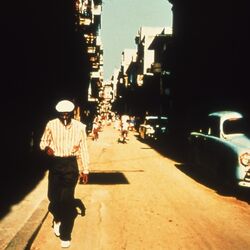
Buena Vista Social Club is a Cuban ensemble that brought the golden age of Havana's dance halls back to the world stage. The group formed in 1996 when producer Juan de Marcos González and American guitarist Ry Cooder gathered a dozen veteran musicians, many of them retired, to record the styles they had grown up playing: son, bolero, danzón and guajira. They took their name from a members-only club in Havana's Buenavista neighborhood, once a lively hub for music and dancing in the 1940s.
Among the standout voices were guitarist and singer Compay Segundo, the group's oldest member, pianist Rubén González, and singer-guitarist Eliades Ochoa. Their self-titled 1997 album became a global phenomenon, selling millions of copies, winning a Grammy Award, and introducing Cuban traditional music to a whole new generation of listeners. Most of the musicians were Cuban, carrying decades of experience playing in the clubs and orchestras of Havana and Santiago before the world rediscovered them.
Have you ever heard a song that feels like a warm, sunny day? That's "Chan Chan". It doesn't tell one single story, but instead gives you these beautiful little scenes from life in the Cuban countryside. The song keeps repeating a journey: "De Alto Cedro, voy para Marcané / Llego a Cueto, voy para Mayarí" (From Alto Cedro, I'm going to Marcané / I get to Cueto, I'm going to Mayarí). It's like you're right there with the singer, traveling from town to town.
Then, out of nowhere, the song switches to these very personal, almost funny moments. There's a confession of love so strong that "Se me sale la babita" (I'm drooling). Later, we see two characters, Juanica and Chan Chan, sifting sand by the sea. The way Juanica moves makes Chan Chan feel shy. The song is full of these simple, everyday images: a journey, a crush, wanting to sit on a log but finding the path blocked. It’s a perfect little daydream set to music.
"El Carretero" puts you right beside a cheerful cart driver hauling goods across rural Cuba. Our singer passes by on his path, singing his heart out while heading to the ferry terminal: "Me voy al transbordador / A descargar la carreta" (I am going to the ferry / to unload the cart). He is a proud guajiro (a Cuban country peasant or farmer). He works hard without stopping, but he has a very simple, honest motivation to keep his spirits up. He wants to save up enough money to get married! He sings, "Yo trabajo sin reposo / Para poderme casar" (I work without rest / so that I can get married), swearing that if he pulls it off, he will be one happy country man.
The real joy of this track comes from his absolute love for his rural home. While city folks might look down on backbreaking farm labor, this driver boasts that he lives great because the countryside is "el edén / Más lindo del mundo entero" (the most beautiful Eden in the whole wide world). The repeating hook "A caballo vamos pa'l monte" (On horseback we head to the hills) uses pa'l, which is everyday street Spanish for para el (to the). By the end, he offers plain, no-nonsense life advice to anyone listening: "Chapea el monte, cultiva el llano / Recoge el fruto de tu sudor" (Clear the brush from the hills, farm the plains / reap the fruit of your sweat). Put in the physical labor, enjoy the ride, and enjoy what you earn.
Get ready to feel fabulous with Buena Vista Social Club's "Orgullecida"! This song is all about embracing your inner diva and feeling absolutely amazing about yourself. The singer declares, "Orgullecida estoy de ser divina Y de tener tan linda perfección" [I am proud to be divine And to have such beautiful perfection]. It's a celebration of self-love and confidence, almost as if she's under a love spell, wondering if it's because she's "alabastrina" [alabaster-like] or if it's the "filtros reinos del amor" [filters, kingdoms of love] at play.
But it's not all just about her own perfection! There's a hint of romance too. She talks about the "celos del cariño De aquel volcán que llama tentadora" [jealousy of affection Of that volcano that calls temptingly]. It seems like someone special has captured her heart, and she believes, "Y tú podrás lograr que yo te quiera Porque tú has sido mi única ilusión" [And you will be able to make me love you Because you have been my only illusion]. It's a beautiful blend of self-assuredness and the hopeful, singular focus of new love. What a mood!
This song is a classic tale of looking back on a love affair that ended in disappointment. The singer feels like a fool. He gave his everything to this person, his whole soul even, singing, "El alma entera yo le di" (I gave her my whole soul), thinking they were building something serious and lasting.
But he was wrong. He realizes with a heavy heart that while he was planning a future, she was just looking for a good time. The song's title and final lines say it all: she just wanted "el amor / De loca juventud" (the love of a crazy youth). All his hopes and dreams for the relationship are now dead, along with her "promesas crueles" (cruel promises).
"Candela" (Spanish for "fire" or "flame") is a classic, playful son cubano made famous by Ibrahim Ferrer and Buena Vista Social Club. On the surface it tells a little folk story about a mouse and a cat who throw a dance party in the countryside, but "candela" is really slang for feeling hot, excited, or overwhelmed with passion.
The song builds around a call-and-response chorus, "Ay, candela, candela, candela, me quemo" ("Oh, fire, fire, fire, I'm burning"), which the singer and chorus trade back and forth, egging each other on until Margarita is asked to call the firefighters because everyone is "burning up" with the music and the dancing.
It's a joyful, high-energy party song about letting loose, dancing until you can't take the heat, and calling for help only half-seriously when the fun gets out of hand.
”Chan Chan” följer en enkel färd genom östra Kuba: från Alto Cedro till Marcané, vidare till Cueto och Mayarí. Den här ortsramsan återkommer om och om igen, som om vägen själv blivit en del av melodin. Samtidigt säger berättaren rakt ut hur starkt han tycker om någon: ”El cariño que te tengo / No te lo puedo negar” [Den tillgivenhet jag känner för dig kan jag inte förneka]. Sedan kommer den roliga, mycket kroppsliga bilden ”Se me sale la babita” [Jag börjar dregla], alltså att känslorna nästan får honom att dregla av längtan eller förtjusning.
I sångens lilla scen arbetar Juanica och Chan Chan med att sålla sand vid havet: ”Cuando Juanica y Chan Chan / En el mar cernían arena” [När Juanica och Chan Chan sållade sand i havet]. Juanica skakar sållet, eller ”jibe”, och Chan Chan blir ledsen av det. Sedan vill berättaren slå sig ner på en trädstam, men vägen är blockerad av halm: ”Limpia el camino de paja / Que yo me quiero sentar” [Rensa vägen från halm, för jag vill sätta mig]. Det är en charmig blandning av resande, vardagsarbete, kärlek och små praktiska hinder. Just därför känns texten så lätt att följa på spanska: platserna återkommer, bilderna är konkreta och refrängen rullar vidare som en promenad genom landskapet.
Küba'nın efsanevi grubu Buena Vista Social Club'ın en meşhur parçası olan Chan Chan, seni doğrudan doğu Küba'nın kasabaları arasında nostaljik bir yolculuğa çıkarıyor. Şarkı boyunca tekrarlanan nakarat; Alto Cedro, Marcané, Cueto ve Mayarí adlı gerçek yerleşim yerlerini sayıyor ("De Alto Cedro, voy para Marcané / Llego a Cueto, voy para Mayarí" [Alto Cedro'dan çıkıp Marcané'ye gidiyorum / Cueto'ya varıp Mayarí'ye geçiyorum]). Bu ritmik yolculuk hissi, şarkının omurgasını oluşturuyor.
Sözlerin merkezinde ise iki karakter var: Juanica ve Chan Chan. Deniz kıyısında kum elerken Juanica'nın kalbini eleğe vuruşunu izleyen Chan Chan'ın hissettiği heyecan ve utanç çok eğlenceli bir dille anlatılıyor: "Se me sale la babita" [Ağzımın suyu akıyor]. Şarkı, samimi bir aşk itirafını yol kenarındaki kütüğe oturmak için samanları temizleme ricasıyla birleştiriyor ("Limpia el camino de paja / Que yo me quiero sentar" [Yoldaki samanları temizle, çünkü oturmak istiyorum]). Bu basit köy imgeleri ve tatlı flörtöz hava, parçayı dinlemesi inanılmaz keyifli bir klasik yapıyor.
„Chan Chan“ fühlt sich an wie eine kleine Reise durch den Osten Kubas. Der Sänger nennt mehrere Orte: „De Alto Cedro, voy para Marcané“ [Von Alto Cedro fahre ich nach Marcané] und „Llego a Cueto, voy para Mayarí“ [Ich komme in Cueto an und fahre nach Mayarí]. Diese Zeilen kehren immer wieder, fast wie ein Wegweiser im Takt. Dazu kommt eine sehr direkte Liebeserklärung: „El cariño que te tengo / no te lo puedo negar“ [Die Zuneigung, die ich für dich empfinde, kann ich nicht leugnen]. Dann wird es herrlich bildhaft und ein bisschen komisch: „Se me sale la babita“ [Mir läuft das Wasser im Mund zusammen]. Der Sänger kann seine starke Zuneigung also kaum verbergen.
In der nächsten Szene arbeiten Juanica und Chan Chan am Meer und sieben Sand. Während Juanica das „jibe“ schüttelt, bekommt Chan Chan Mitleid oder fühlt sich bedrückt: „A Chan Chan le daba pena“ [Chan Chan tat es leid / Chan Chan war traurig]. Danach bittet der Sänger darum, den Weg von Stroh zu befreien, weil er sich auf einen bestimmten Baumstamm setzen möchte: „Limpia el camino de paja“ [Mach den Weg vom Stroh frei]. Nur liegt der Stamm im Weg, sodass er nicht ankommt. Gerade diese Mischung aus Ortsnamen, Arbeit am Meer, Begehren und einem ganz praktischen Hindernis macht den Text so charmant: Er erzählt keine glatt erklärte Geschichte, sondern lässt einzelne Szenen wie Erinnerungsbilder vorbeiziehen.
„Chan Chan” prowadzi nas przez prostą, powtarzaną trasę: „De Alto Cedro, voy para Marcané / Llego a Cueto, voy para Mayarí” [„Z Alto Cedro jadę do Marcané / Docieram do Cueto, jadę do Mayarí”]. Nazwy miejsc wracają jak refren i nadają piosence rytm drogi. Po drodze narrator mówi bez ogródek: „El cariño que te tengo / No te lo puedo negar” [„Uczucia, które do ciebie mam, nie mogę ukryć”]. Zaraz potem robi się zabawnie i bardzo konkretnie: „Se me sale la babita / Yo no lo puedo evitar” [„Ślinka sama mi cieknie, nie mogę tego powstrzymać”]. „Babita” to dosłownie „ślinka”, więc zakochanie zostaje tu opisane z lekką przesadą, niemal jak apetyt na coś pysznego.
W drugiej scenie pojawiają się Juanica i Chan Chan, którzy „en el mar cernían arena” [„przesiewali piasek nad morzem”]. Chan Chanowi robi się przykro lub głupio, gdy Juanica potrząsa sitem: „Como sacudía el jibe / A Chan Chan le daba pena” [„Kiedy potrząsała sitem, Chan Chan czuł zakłopotanie”]. „Jibe” jest tu sitem używanym do przesiewania. Na koniec narrator prosi: „Limpia el camino de paja / Que yo me quiero sentar” [„Oczyść drogę ze słomy, bo chcę usiąść”]. Widzi pień, na którym mógłby odpocząć, ale słoma blokuje mu przejście. To piosenka z drobnymi scenkami, powracającą drogą i uczuciem wyrażonym w bardzo swojski, trochę figlarny sposób.
In “Chan Chan” van de Cubaanse groep Buena Vista Social Club volgt de verteller een route door Oost-Cuba: “De Alto Cedro, voy para Marcané” [Van Alto Cedro ga ik naar Marcané] en daarna “Llego a Cueto, voy para Mayarí” [Ik kom aan in Cueto en ga naar Mayarí]. Die plaatsnamen keren steeds terug, alsof de reis maar doorgaat. Tussendoor wordt het ineens heel persoonlijk: “El cariño que te tengo / No te lo puedo negar” [De genegenheid die ik voor je voel, kan ik niet ontkennen]. De uitdrukking “se me sale la babita” betekent letterlijk “mijn kwijl loopt eruit”. Het is een grappige, lichamelijke manier om te zeggen dat iemand zó dol is, dat hij het niet kan verbergen.
Daarna verschijnt een klein tafereel met Juanica en Chan Chan, die zand zeven aan zee: “Cuando Juanica y Chan Chan / En el mar cernían arena” [Toen Juanica en Chan Chan bij de zee zand zeefden]. Terwijl Chan Chan het in de tekst genoemde werktuig schudt, krijgt hij er “pena” van, een woord dat verdriet, schaamte of ongemak kan betekenen. Vervolgens vraagt de verteller om het stro van het pad te vegen, zodat hij kan zitten op een boomstam die hij ziet. Het is een vreemde, charmante scène: een lange reis, een verliefde bekentenis en een heel praktisch probleem met een vies pad, allemaal in hetzelfde lied.
«Chan Chan» звучит как дорожная песня с очень простым, почти разговорным сюжетом. Рассказчик едет через кубинские места: «De Alto Cedro, voy para Marcané» [Из Альто-Седро я направляюсь в Маркане] и «Llego a Cueto, voy para Mayarí» [Добираюсь до Куэто и направляюсь в Майари]. Эти названия снова и снова возвращаются, будто припев отмечает путь на карте. Но в дороге мысли постоянно сбиваются на любовь: «El cariño que te tengo / no te lo puedo negar» [Ту привязанность, что я к тебе чувствую, я не могу отрицать]. А затем появляется смешная, очень телесная деталь: «Se me sale la babita» [У меня слюнка сама течёт]. Это разговорное преувеличение: чувство настолько сильное, что человек буквально теряет над собой контроль.
Дальше песня переносит нас к морю, где Хуаника и Чан Чан просеивают песок. «Cuando Juanica y Chan Chan / en el mar cernían arena» [Когда Хуаника и Чан Чан просеивали песок в море]. Хуаника трясёт каким-то рабочим инструментом, названным в тексте «jibe», а Чан Чану от этого становится неловко или грустно: «Como sacudía el jibe / a Chan Chan le daba pena» [Как она трясла “хибе”, Чан Чану было неловко]. Потом он просит убрать солому с дороги, потому что хочет сесть на заметный впереди ствол: «Limpia el camino de paja / que yo me quiero sentar» [Очисти дорогу от соломы, я хочу сесть]. В этой сцене есть и бытовой юмор, и странная нежность: герой мечтает просто добраться до дерева, но мешает даже солома. А повторяющийся маршрут возвращает песню к её главному движению: дорога продолжается, а признание в привязанности остаётся рядом.

