Learn Spanish With DANNA with these 20 Song Recommendations (Full Translations Included!)
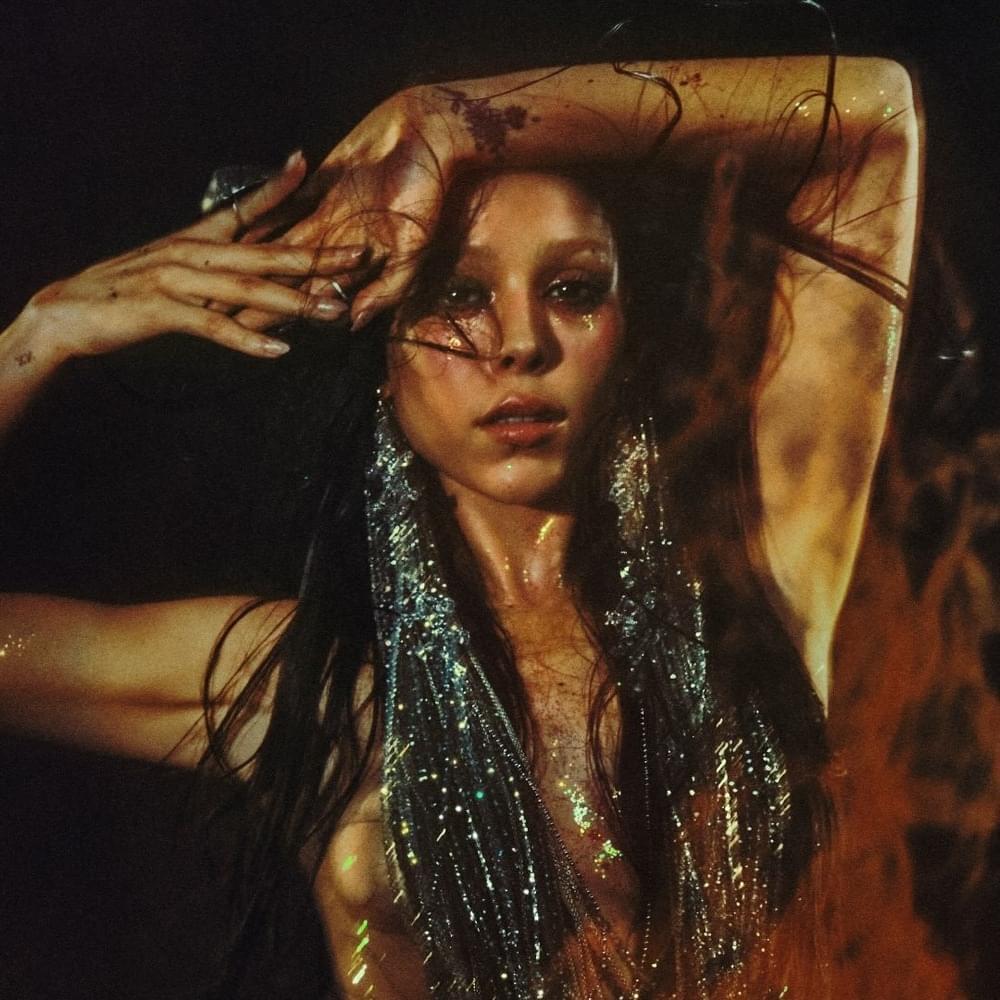
Get ready to escape to a dreamy getaway with DANNA and Belinda's "Dolce Vita"! This song is all about living in the moment and enjoying life's sweet pleasures. Imagine waking up in a hotel at 11 a.m. with a cigarette and a cocktail, not quite remembering yesterday, but knowing it was amazing because you were with that special someone. The lyrics really set the scene: "Un cigarro y un cóctel, Once a.m. en el hotel, No me acuerdo qué hice ayer, Solo sé que fue con él" [A cigarette and a cocktail, 11 a.m. in the hotel, I don't remember what I did yesterday, I only know it was with him].
It's a beautiful picture of pure bliss and attraction. The singers are completely captivated, feeling like they're floating when touched: "Me tocas y empiezo a levitar, De este sueño no me quiero despertar" [You touch me and I start to levitate, I don't want to wake up from this dream]. They're living their "dolce vita" [sweet life], enjoying every second of this perfect escape, especially when they're close, doing everything on a beautiful island. It's clear this feeling is intense and they don't want it to end, making you want to pack your bags and join them!
DANNA’s “Contigo” turns quarantine into a love song with a playful, slightly dramatic promise: staying inside would be fine if the person she misses were there. She repeats “Yo me quedo encerradita si es contigo” [I’ll stay locked inside if it’s with you], using encerradita, a cute diminutive that makes the line sound affectionate rather than severe. She stops watching the news, loses track of the days, stays home alone, and looks after her dog and her mother. When fear starts to overwhelm her, thinking about this person helps it pass. Even the plain phrase “Toca quedarse en casita” [We have to stay at home] has a softer, homelike feel because casita means “little house” or “home.”
The distance makes the song especially sweet and a little funny. It is three in the morning, they are eight hours apart, and she worries that the other person might forget her. Still, she imagines going with them to Mars if the world ends: “Si el mundo se termina, voy contigo a Marte” [If the world ends, I’ll go with you to Mars]. That is a wonderfully over-the-top way to say that distance and disaster would not change her choice. More than anything, she wants to dance with them again, and the final idea expands her private wish into a playful mission: “Yo lo que quiero es salvar al mundo contigo” [What I want is to save the world with you].
DANNA’s “TQ Y YA” is a bold love song about choosing desire and affection without asking anyone’s permission. The opening jokes that nobody can decide what comes first: “El beso, la cama, el café, el deseo” [The kiss, the bed, coffee, desire]. “TQ Y YA” means “Te quiero y ya,” or “I love you, and that’s it.” The speaker refuses comments that the other person is “no eres para mí” [not right for me] and says this love is too wild for any doctor or cure. The repeated “No hay” [There is no] makes the answer wonderfully blunt: there is no remedy, no one can stop it, and no one gets to end it for them.
The song then takes that love out into public. “Dame la mano por la banqueta” [Give me your hand on the sidewalk] asks for a simple, visible gesture, while “no ponga etiquetas” [don’t put labels on us] rejects other people’s judgments. “Amor es amor y que nadie se meta” [Love is love, and nobody should interfere] is the clearest statement in the song. In the final section, “Contigo yo voy” [I’m going with you] becomes a promise to move forward together, regardless of religion or political position. “Me da igual lo que pienses” [I don’t care what you think] gives the ending its confident edge: the speaker knows who she is, chooses this person, and says the relationship needs no outside approval.
DANNA, the Mexican artist, and MIKA turn a breakup into a tough, honest self-recovery song. The speaker begins with “Got these stitches all over my body,” using wounds as an image for painful choices and mistakes that cannot simply be erased. After hitting “rock bottom” many times and running out of tears, she decides to stop running and hiding. The Spanish line “Pero no es muy tarde para perdonarme” means “But it isn’t too late to forgive myself,” while “Ahora sí aprendí” means “Now I’ve finally learned.” The chorus is wonderfully direct: “Soy yo sin ti, me tengo a mí” means “It’s me without you, I have myself,” and “me quiero así” means “I love myself this way.” She can breathe again and will not look back.
The second verse admits that her friends think she is “a fuckin’ disaster” and that she keeps making mistakes she regrets later. That blunt line gives the song a funny, self-mocking edge, but the final section becomes gentler. “Out on the open I had to meet my emotions” means she has stopped avoiding what she feels, and “Now it’s okay to be broken” gives her permission to heal imperfectly. The Spanish image “Gota por gota, después de cada derrota” means “Drop by drop, after every defeat,” followed by “Vuelo con las alas rota’,” or “I fly with broken wings.” The ending, “It’s me, myself and no one else,” does not pretend everything is fixed: she has “been through hell,” broke the spell, and knows it might take time, but she will be fine.
DANNA’s “XT4S1S” is a rush of attraction that quickly turns into a wild night. The narrator wants to see this person again, kiss them, and give in to temptation: “Quiero volver a verte” [I want to see you again] and “En mis labios tenerte” [to have you on my lips]. She sees a playful contradiction in them: “Carita de inocente, pero nada obediente” [an innocent face, but not obedient at all]. She knows exactly what they have in mind, and she decides to accept the invitation. The phrase “Adicta me volví” [I became addicted] makes the attraction sound immediate and hard to resist.
The chorus turns that night into a physical rush. “El piso me da vueltas” [the floor is spinning] and “estoy viendo violeta” [I am seeing violet] suggest dizziness, bright sensations, and a loss of control. In “Adrenalina que coloca y desenfoca” [adrenaline that gets me high and blurs my focus], coloca is slang for making someone feel high or intensely stimulated, while desenfoca means it makes everything lose focus. “Pasando la nota de boca en boca” [passing the vibe from mouth to mouth] connects the excitement with kissing and with sharing the mood around the room. The repeated English lines, “Make me feel good” [make me feel good] and “Come and fly with me” [come and fly with me], keep the song playful and direct. She does not want anyone telling her she made a mistake. She wants another round of this dizzy, delicious freedom.
DANNA’s “Calla Tú” follows a woman who wakes up, looks in the mirror, and finally decides to leave a relationship that has worn her down. She says, “Ya no quiero más” [I don’t want this anymore] and “Decidí volar sin ti” [I decided to fly without you]. The “flying” image suggests freedom, while “disfrutar mi soledad” [enjoy my solitude] makes it clear that being alone is better than waiting for someone who keeps promising to change. She is tired of hearing those promises and rejects what she calls hypocrisy.
The repeated command “Calla tú” [You be quiet] is short, blunt, and impossible to miss. It is not a polite request. She tells this person not to call or shout anymore, because she will no longer stay silent: “Hoy ya no me callo” [Today I will not keep quiet]. In the second verse, she dances in her reflection, survives her reality, and says she does not need anyone else to love her. “Dejó pagada la cuenta ya” [She already paid the bill] suggests that she has settled what she owed and is ready to leave. Without the controlling “shadow,” she will shine on her own, and this time she will not be silenced.
DANNA’s “Dos Extraños” tells the story of a love that began with faith in signs and ended with two people who barely know each other anymore. The singer says, “Siempre creí en once-onces perfectos” [I always believed in perfect 11:11s], referring to the wish-making time 11:11. She found this person, fell in love, and felt she could fly, but also fell. Their relationship stayed hidden: “Amores de noche, ajenos de día” [Lovers at night, strangers by day]. The phrase ajenos de día suggests that they acted disconnected or unavailable in daylight, even though they were close at night.
The song turns into a goodbye that has taken too long. “Tanto adiós nos hizo daño” [So many goodbyes hurt us] says that repeated separations wore them down, while “Te doy mi luz” [I give you my light] sounds like a final gift of her energy and love. She asks them to go slowly, to stay the night, and not to wake her when they leave. That small request makes the ending especially sad: after all the secret love and silence, she finally says, “Ahora somos dos extraños” [Now we are two strangers]. By the last lines, the relationship has not simply ended. It has left them as strangers who once gave each other everything.
DANNA’s “Tenemos Que Hablar” is a direct goodbye to a relationship that no longer feels honest. The speaker is trying to understand herself, saying, “Me estoy encontrando y al fin se siente bien” [“I am finding myself, and at last it feels good”]. Her happiness no longer depends on another person, and she has run out of excuses. The title means “We have to talk,” but this is not a gentle invitation to keep trying. It is a demand to face the truth: “Tenemos que hablar de frente” [“We have to talk face-to-face”].
The song is especially sharp when it describes the relationship as something staged: “Vivíamos mintiendo, era publicidad” [“We were living by lying, it was publicity”]. The word publicidad means advertising, so the image suggests that the couple looked convincing from the outside while something important was missing. The phrase “Cuando el río suena, es que agua lleva” [“When the river makes a sound, it carries water”] is a Spanish idiom meaning that rumors or obvious signs usually have some truth behind them. By the end, losing the relationship feels like a gain: “Esta vez perdiendo, gano más” [“This time, by losing, I gain more”]. It is blunt, self-assured, and a little cold, especially when she says, “Fue un placer conocerte” [“It was a pleasure to meet you”], as if she is closing the door for good.
“Oye Pablo” begins with a chance meeting in Madrid. At eight at night, the narrator is lost in the city and follows the moon to the Gran Vía metro station, where Pablo notices her and asks how she is. He calls her beautiful and guesses that she is not from there. She was not looking for anyone, yet one glance makes her tremble and start imagining a romance. The funny twist is that she gives him the wrong phone number: “Y sin querer, qué tonta, di el número mal” [And by accident, how silly, I gave the wrong number].
Pablo leaves almost as quickly as he appears, and she is left wanting more: “Oye Pablo, yo no te estaba esperando” [Hey Pablo, I wasn’t expecting you]. Calling him “alma de gitano” [a gypsy soul] presents him as a wandering, hard-to-catch person, while “si te hubieras quedado un poco más” [if you had stayed a little longer] shows exactly what she wishes had happened. Soon her search stretches from Mexico to Madrid, Paris, and London. The final “Lo voy a buscar” [I’m going to look for him] turns the song into a playful chase after a stranger who made one brief night feel like the start of something much bigger.
“Agüita” is a playful, sensual invitation wrapped in water imagery. DANNA sings about waking up with thoughts that seem to come true, then imagines life as a dream and a paradise where she can swim toward someone she desires. The repeated phrase “Que te tires al agüita” [Jump into the little water] sounds teasing and flirtatious. Here, agüita is a cute, affectionate form of agua, meaning “water,” while “que suba” [let it rise] adds to the song’s cheeky energy. She admires this person’s “forma de nadar, estilo natural” [way of swimming, natural style], treating their confidence and sensuality like a beautiful swimming technique.
The sea becomes a map of attraction. The person is “la única huella que queda en mi playa” [the only footprint left on my beach], a “velero en mi mar” [sailboat in my sea], and someone she wants to “navigate.” Then the mood shifts slightly: she realizes they are no longer at the shore, and she cannot touch the bottom. That fear becomes easier to face when she sees the other person swimming with such natural strength. The song’s charm is in that mix of bold flirting, silly water talk, and the nervous feeling of going farther into the sea than planned.
“Polo A Tierra” is a playful love song about someone who feels completely distracted by attraction. The singer says, “Ya agarré el celu’ pa’ escribirte” [I grabbed my phone to write to you]. Here, celu’ is casual slang for celular, or cell phone, and pa’ is a shortened form of para, meaning “to” or “in order to.” A single emoji turns into a message about how much they like this person, and suddenly they are “empezando a quererte” [starting to love you] and do not want to stop.
The central image is “Tú eres mi polo a tierra” [You are my grounding point]. A polo a tierra literally refers to a grounding connection, and in this song it means the loved one keeps the singer steady because they are “vivo en la luna” [living on the moon], or lost in dreamy thoughts. The romance is direct and physical: they want kisses, hugs at the cinema, and time alone together. Lines like “Como serpiente enrédame” [Wrap around me like a snake] are wonderfully dramatic, while “Te quiero sin censura” [I want you without censorship] makes the desire completely clear. The repeated “tú y yo, más nada” [you and me, nothing else] leaves no room for distractions, even though the singer’s head is already somewhere in the clouds.
DANNA’s “Todo Fue Un Show” (“It Was All a Show”) tells the story of someone who fell for a performance that looked like real love. The other person had “las palabras correctas” [the right words], “un aroma perfecto” [a perfect scent], and a convincing way of looking at her. Their embrace felt real, and their claims of love seemed true. Then the song turns the romance into a movie scene: “Como un beso de película” [Like a movie kiss]. Her body gave in, her soul believed, and one simple emotion was enough to make her fall.
The painful twist is the repeated line “Pero todo fue un show” [But it was all a show]. She now sees the kisses and loving words as rehearsed, like a performance that has ended: “La función se acabó” [The show is over]. Still, her heart refuses to understand what her mind knows. She even wonders whether there was one real moment, admitting that perhaps the other person loved her “aunque sea un segundo” [even if only for a second]. That small possibility makes the song more complicated than a simple accusation: was it all acting, or did the actor feel something before the curtain fell?
DANNA’s “Ruleta” begins with a playful scene: the girls say they have only come to have fun, while the singer worries about what she will do if certain people arrive. Then the mood shifts when one person catches her attention. She asks, “¿Será que voy a enamorarme?” [Could I be falling in love?] and wonders, “¿Serás tú quién va a conquistarme?” [Will you be the one to win me over?] She is surprised by how easily she weakens around him, yet she also sees a chance to leave her past behind. When she says, “Mi corazón por ti se rehabilita” [My heart gets rehabilitated because of you], she treats love like a cure that helps her recover.
The central image is a “ruleta de amor” [love roulette]. Her heart starts spinning, and she decides to let herself be carried along even though she does not know whether he will stay or go. “Sé que tienes lo que yo quiero / Y tengo más ganas que miedo” [I know you have what I want / And I have more desire than fear] shows her choosing excitement over caution. A kiss is “mi medicina” [my medicine], and his eyes make her feel able to start from zero. The song even jokes that she wrote him a song although he does not know about music: “qué ironía” [what irony]. Sweet, impulsive, and a little reckless, it treats falling in love like a spin whose result is unknown, as long as he is beside her.
DANNA’s “Amor Ordinario” looks back on a love that felt full of promise but never truly began. January brings the memories back: “El sol, tus manos y el frío en Madrid” [The sun, your hands, and the cold in Madrid]. Madrid is named as a real place tied to the relationship, and by the end, the singer says, “Me lo arruinaste como a Madrid” [You ruined it for me, like Madrid]. The song’s central image is wonderfully blunt: “Por querer estar volando, realmente nunca despegamos” [Because we wanted to be flying, we never really took off]. They dreamed of something extraordinary, but the relationship stayed stuck on the ground.
The phrase “a destiempo” means “at the wrong time” or “out of sync,” which explains why their kisses and feelings never seem to arrive together. The singer feels misled by “Me vendiste un amor que jamás existió” [You sold me a love that never existed], yet still admits, “Quiero odiarte pero te amo” [I want to hate you, but I love you]. Even silence becomes a problem: “No descifro tus silencios” [I can’t decipher your silences]. In the end, the love is called “ordinario,” meaning ordinary or unremarkable, after all that hope of being extraordinary. That contrast makes the song especially sharp: they wanted to fly, shared “cuatro suspiros” [four sighs], and then both ran away, leaving one person stuck with a memory that heals very slowly.
DANNA’s “Sola” is a sharp, catchy breakup song about choosing independence after a relationship has made love feel like a bad deal. The speaker asks, “¿Para qué enamorarse?” [Why fall in love?] and reminds her ex, “Tú me lo enseñaste” [You taught me that], so now “te toca perder” [it’s your turn to lose]. She has no time or reason to wait, and fake kisses mean nothing anymore: “Besos de ficción” [fictional kisses]. The chorus is wonderfully blunt: “Estoy mejor sola” [I’m better alone], “Nadie me controla” [Nobody controls me], and “Sola con mi sombra” [Alone with my shadow]. Here, sola means alone, but it also sounds like a decision she is proud to make.
The second verse turns that decision into a night out. “Sin rendirle cuentas a nadie” [Without answering to anyone], she walks into the street with a drink in her hand and an urban soundtrack while everyone watches her dance. Pa’ is a casual shortening of para, so “me fui pa’ la calle” means “I went out into the street,” and “no estoy pa’ romance” means “I’m not here for romance” or “I’m not in the mood for romance.” She admits that her ex’s lips were once an addiction and that she thought the relationship was paradise, but she refuses to jump back into the same “precipicio” [cliff]. The final “Sin promesas rotas” [Without broken promises], followed by “Yeah, I have feelings, bitch,” adds a funny, fierce twist: being alone does not mean being heartless. It means she still feels everything, yet nobody gets to control her now.
DANNA’s “Sodio” turns a confusing almost-relationship into a late-night invitation to dance. The speaker feels close to someone who keeps sending mixed signals: “Que te tengo y no te tengo” [I have you, and I don’t have you]. She asks for honesty, but silence leaves her guessing. The line “Un novio menos, una amiga más” [one less boyfriend, one more friend] sounds like the painful result of losing a romance while trying to keep the connection.
The chorus is clever and a little bitter. “Sal, sal conmigo a bailar” [Come out, come dance with me] uses sal as “come out,” while the next lines turn toward salt: “Este amor sabe a sal” [This love tastes like salt] and “Tanto sodio me sabe a odio” [So much sodium tastes like hate]. The love still exists, though: “Pero te quiero y eso es obvio” [But I love you, and that is obvious]. Later, the speaker admits, “La verdad, sí, me enamoré” [The truth is, yes, I fell in love], then says she wants the other person to be happy, even with someone else. That mix of teasing, jealousy, affection, and acceptance gives the song its sharp, dance-floor energy.
DANNA’s “Final Feliz” (“Happy Ending”) turns seduction into a playful fairy tale. The speaker stops time “en la puerta del cielo” (“at heaven’s door”), leaves her lover wanting more, and compares their attraction to something “dulce y veneno” (“sweet and poison”). Her images keep mixing romance with danger: “Si jugamos con fuego, nos quemamos los dos” (“If we play with fire, we both get burned”). She is not waiting for a perfect knight. “No me sirve un caballero si no cumple mis deseos” (“A knight is no use to me if he does not fulfill my desires”) makes her standards very clear, while “tu boca es un poema” (“your mouth is a poem”) adds a softer, more flirtatious touch.
The song then opens its storybook and takes the fantasy into the body: “Voy abrir las páginas de mi cuento” (“I’m going to open the pages of my story”), inviting the other person to write their part there. The “serpiente” (“snake”) and “manzana” (“apple”) suggest temptation, but the speaker remains in control. She asks him to tell her every fantasy and take her somewhere new, then promises, “yo te llevo a tu final feliz” (“I’ll take you to your happy ending”). The repeated “dame mi final feliz” (“give me my happy ending”) is cheeky and direct. Here, a happy ending is not a wedding or a fairy-tale rescue. It is the pleasure and excitement they create together, with the option to start again tomorrow.
DANNA, Luísa Sonza, and Aitana turn a weekend flirt into a playful plan of temptation. The singer has been thinking about someone since a certain night, losing count of the Mondays spent thinking about them, and admitting, “Ya caí en tu juego y lo perdí” [I fell into your game and lost]. Now she wants that person for herself, at least for the weekend: “Quiero bailar contigo este fin de semana” [I want to dance with you this weekend]. The invitation is secretive and cheeky because the other person is supposed to “entrar por la ventana” [come in through the window]. “Pa’” is a casual shortening of “para,” meaning “in order to” or “to,” while “matar las ganas” literally means “to kill the desire,” or satisfy the longing.
The song keeps switching between pursuit and confidence. She searches from Monday to Tuesday, stops calling on Wednesday and Thursday, then notices her phone ringing on Friday. She predicts that the other person will return to find her, especially if they wake up and she is gone. The singers want to stay together until morning, make the most of every moment, and perhaps take things slowly, even though the lyrics clearly expect plenty of excitement. Luísa Sonza then adds Portuguese lines about wanting action, cumbia, reggaetón, and a party so loud that the whole building will know. By the end, “Friend de semana” [weekend friend] and “give me just a night” make the arrangement sound temporary, direct, and deliciously uncomplicated.
“El Primer Día Sin Ti” (“The First Day Without You”) follows the singer through the first 24 hours after someone she loves leaves. She looks at the same table where he sat “justo enfrente” [right across from me], but now she sees only his absence. The line “Dos docenas de mis años, veinticuatro de tus horas” [two dozen of my years, twenty-four of your hours] contrasts a lifetime of memories with one unbearable day. Even the future becomes “un muro” [a wall] in front of her, a blunt image for feeling unable to imagine life without him.
What makes the song so personal is its list of small things she has lost: his warmth, mischievous look, simple “te quiero” [I love you], kisses, arguments, laughter, and even a kind of “telepatía” [telepathy] between them, meaning they seemed to understand each other without speaking. Now she says “me sobran las palabras, mis besos y mis miradas” [my words, my kisses, and my looks are left over]. In other words, all the affection she used to give him has nowhere to go. The song’s final image is especially dramatic: the best parts of her life seem to fly away “en dirección al espacio” [into space], following the emptiness he left when he walked out the door.

