La Llorona Lyrics in English by Angela Aguilar
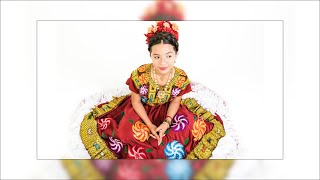
Huipil is the name for a beautiful, traditional tunic-like blouse worn by indigenous women in parts of Mexico and Central America. These garments are often richly decorated with intricate, meaningful embroidery.
In the song, the narrator sees the Llorona wearing a hermoso huipil (beautiful huipil) and is so captivated by her appearance that he mistakes her for the Virgin Mary, showing how these garments are seen as true works of art.
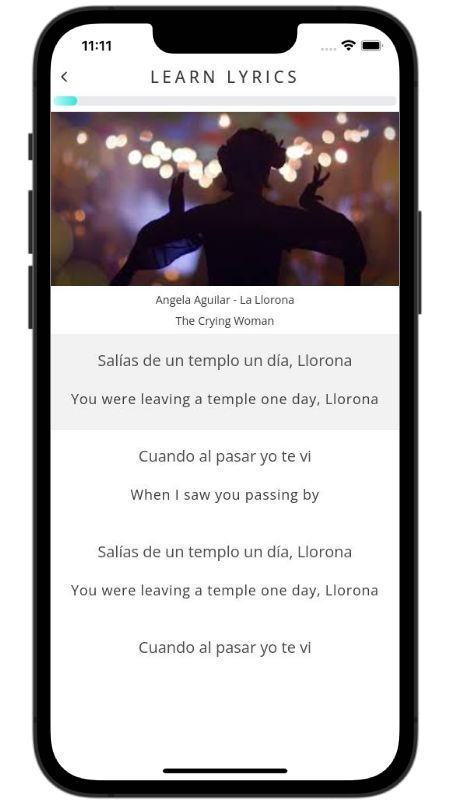
Angela Aguilar brings a classic Mexican traditional song to life with deep devotion and sorrow. The lyrics start with a striking sight: the singer spots "Llorona" (the Weeping Woman) walking out of a church, wearing a huipil (a traditional embroidered tunic) so beautiful that she mistakes her for a holy figure: Hermoso huipil llevabas, Llorona / Que la virgen te creí ("You wore a beautiful huipil, Llorona, that I thought you were the Virgin Mary"). But this is no gentle love song. It connects romance directly to agony with the blunt observation, El que no sabe de amores, Llorona / No sabe lo que es martirio ("Whoever does not know love, Llorona, does not know what torment is").
The verses move through cemetery grounds and cold riverbanks, building a spooky and sorrowful mood. The singer watches flowers blowing in the wind at a campo santo (a cemetery or holy ground) and thinks the blossoms themselves are weeping. By the end, the narrator begs Llorona for comfort against the bitter chill: Tápame con tu rebozo, Llorona / Porque me muero de frío ("Cover me with your shawl, Llorona, because I am dying of cold"). A rebozo is a long, traditional woven shawl used for warmth and carrying babies, making this request feel desperate, intimate, and deeply rooted in Mexican imagery.