Paloma Negra Lyrics in English by Angela Aguilar
Paloma negra is the central metaphor of this classic ranchera song, literally translating to "black dove".
While a dove (paloma) is typically a symbol of peace and innocence, adding the color black transforms it into a powerful symbol for a wayward lover who brings sorrow. The singer uses this beautiful yet haunting phrase to address the person who has flown away to a life of partying, leaving her heartbroken.
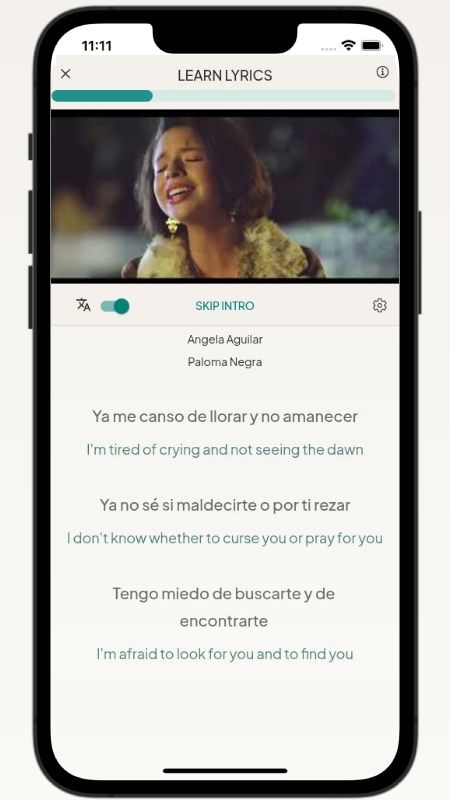
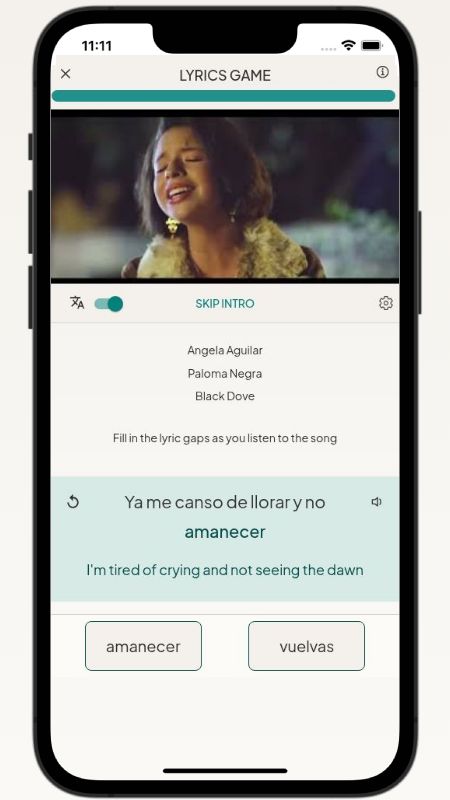
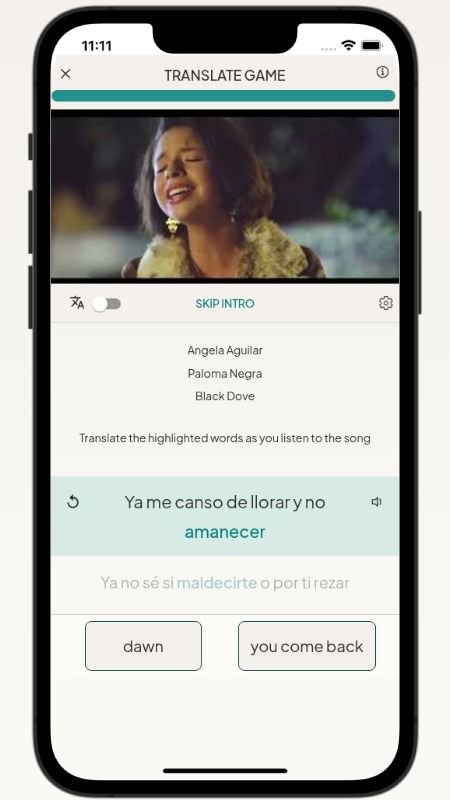
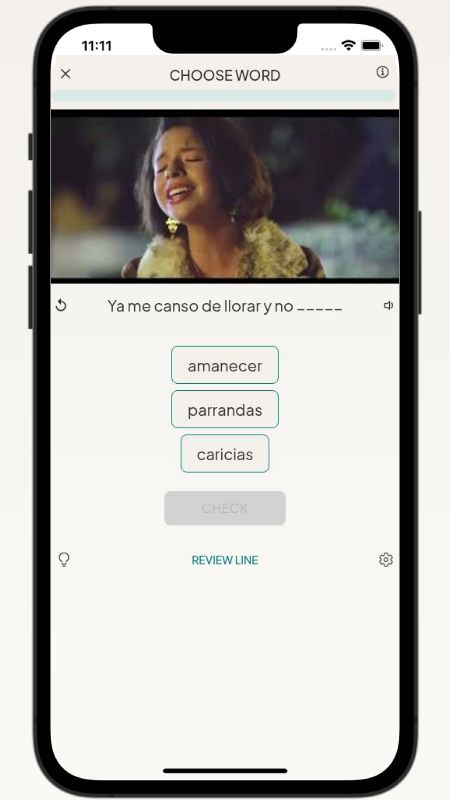
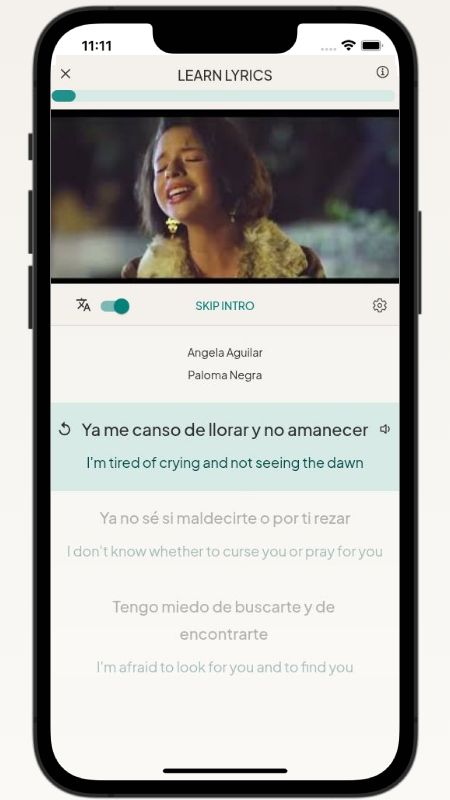
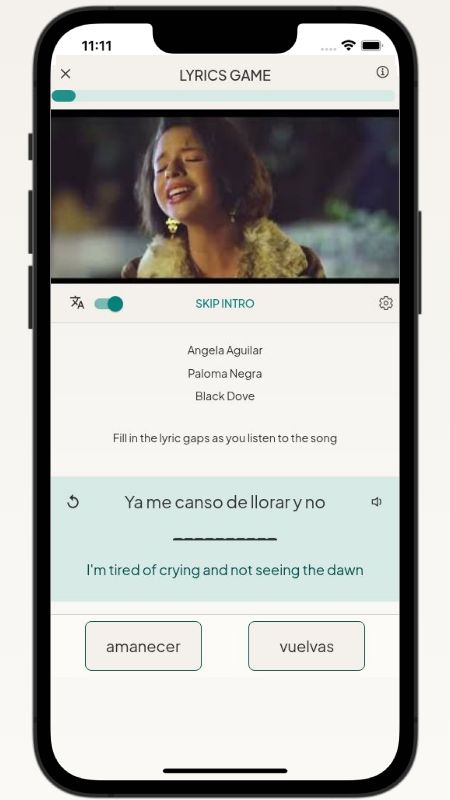
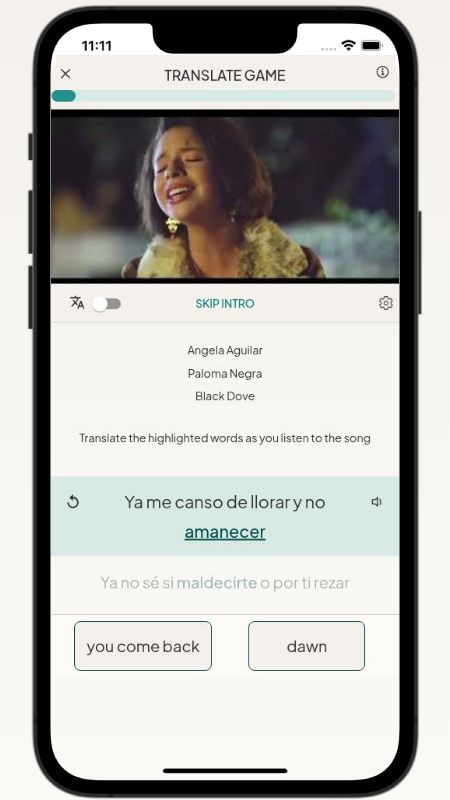
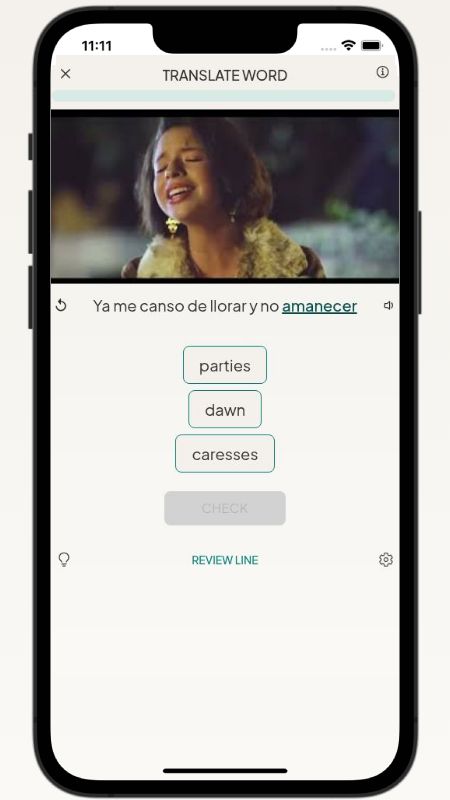
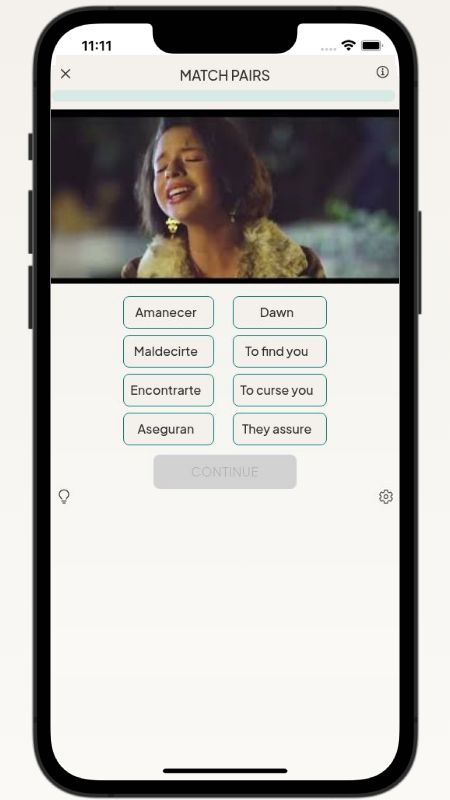
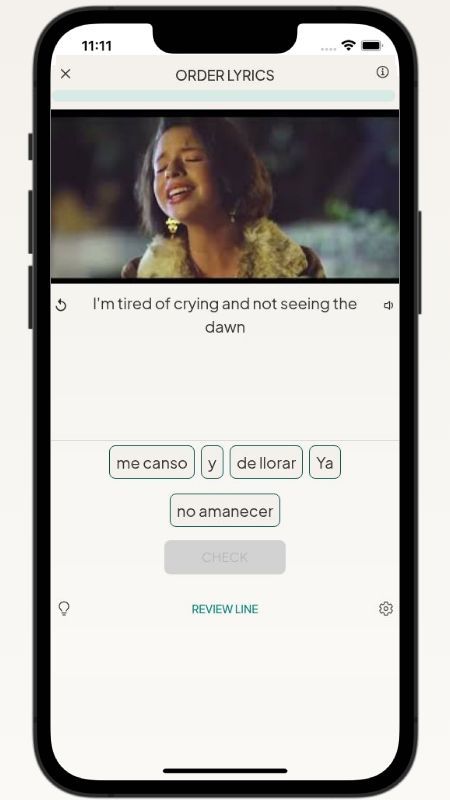
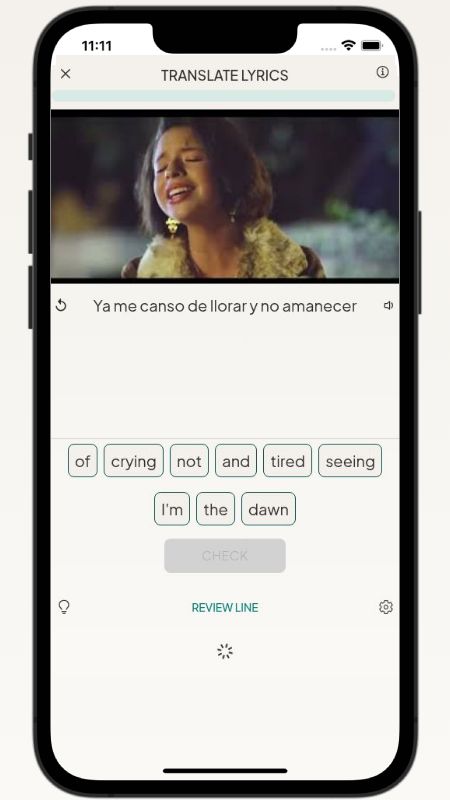
If you have ever lost sleep waiting for someone who chooses the party over you, Ángela Aguilar's take on "Paloma Negra" will hit close to home. The title means "black dove," an image for a lover who flies off into the night. Right away, she hits you with utter exhaustion: "Ya me canso de llorar y no amanecer" ("I'm tired of crying and not seeing the sunrise"). She is torn between anger and devotion, caught in that messy loop of "Ya no sé si maldecirte o por ti rezar" ("I don't know whether to curse you or pray for you"). Her friends even tell her where this person sneaks off to, but she is terrified to go look and confirm her worst fears.
The lyrics use heavy Mexican expressions to describe the hurt. When she sings "Ya agarraste por tu cuenta las parrandas" ("You've gone off partying on your own"), parrandas refers to wild night outs and drinking sprees. She also admits, "Hay momentos en que quisiera mejor rajarme" ("There are moments when I'd rather give up"), using the blunt verb rajarme (to back out, crack, or chicken out). Even though she demands they stay away forever with "ya no vuelvas" ("don't come back"), the song ends on a painfully honest contradiction: she begs God for strength because her heart is still screaming to go chase after them.