Cantemos Con Alegría Lyrics in English by Billo's Caracas Boys
Virgencita is a diminutive of Virgen (Virgin), often used as a term of endearment or reverence for the Virgin Mary.
In the context of this Christmas song, the singer is addressing the Virgencita directly, asking her to protect his mother while he is far away during the holidays. This word adds a tender and personal touch to the prayer, highlighting the deep cultural and religious significance of the Virgin Mary in many Spanish-speaking communities, especially during festive seasons like Christmas.
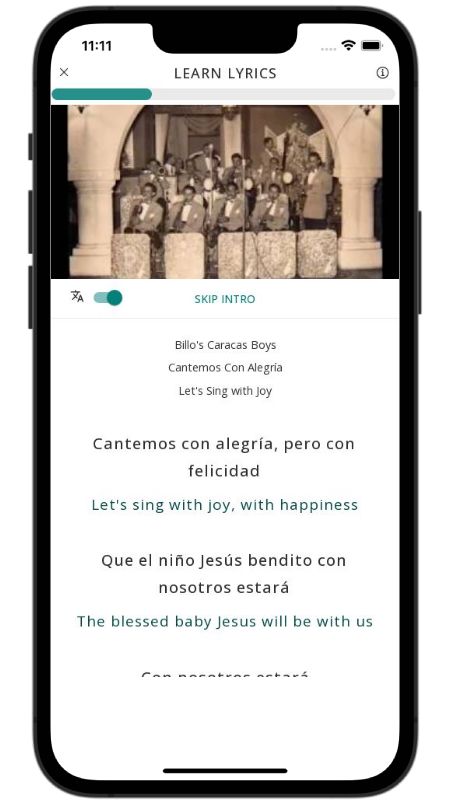
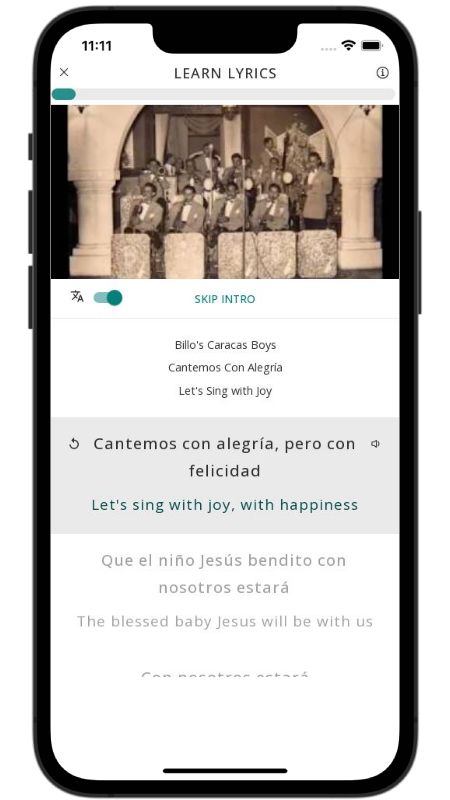
Billo's Caracas Boys bring pure holiday cheer with this classic track. The whole track revolves around a lively chorus: Cantemos con alegría, pero con felicidad / Que el niño Jesús bendito con nosotros estará ("Let's sing with joy, but with happiness / For the blessed baby Jesus will be with us"). You can hear the celebration in lines about ringing church bells (Cómo suenan las campanas ["How the bells sound"]) and everyone joining in to sing the Ave María to welcome Jesus. In Venezuela and across Latin America, Christmas Eve is known as Noche Buena ("Good Night"), and the singer plays with the name directly: Esta noche es Noche Buena, pero qué buena será ("Tonight is Christmas Eve, but how good it will be!").
Behind the party horns and upbeat bolero rhythm, there is one tender, personal plea tucked right in the middle. The singer turns to Mary: Yo te pido Virgencita que en esta gran Navidad / Mientras yo me encuentre lejos, tú me cuides a mamá ("I ask you, little Virgin, that this great Christmas / While I am far away, you take care of mom"). Adding -ita to Virgen turns the holy title into an affectionate, intimate name, exactly how people talk to their patron saints at home. Even with that bit of homesickness, the song stays light on its feet and races right back to the countdown for the New Year.