Quelqu'un M'a Dit Lyrics in English by Carla Bruni
Chagrins is a beautiful, literary word for 'sorrows' or 'griefs'. It's more poetic and carries a deeper weight than the more common word tristesse (sadness).
In the song, Carla Bruni sings the haunting line, "Que de nos chagrins il s'en fait des manteaux" (That out of our sorrows, he makes coats). This metaphor describes Time as a cruel figure who literally wears human grief. It's a powerful and unique image that perfectly captures the song's melancholic mood.
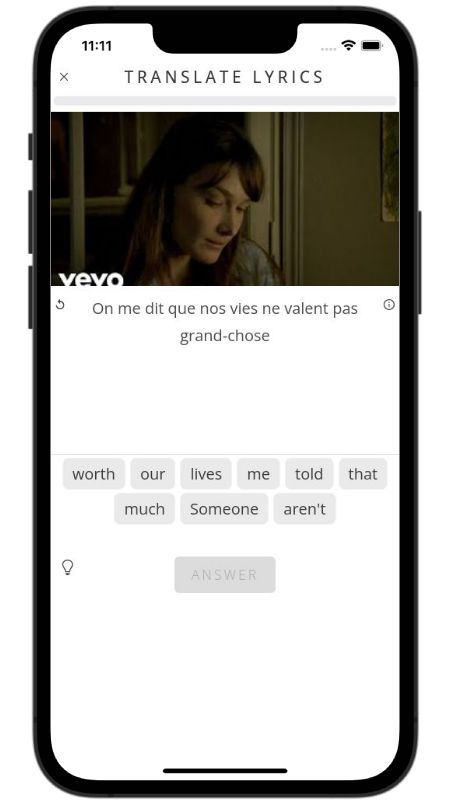
Carla Bruni kicks off this classic French chanson track on a strikingly cynical note. People around her keep repeating bleak clichés about existence: "nos vies ne valent pas grand-chose" [our lives aren't worth much], fading instantly "comme fanent les roses" [like roses wither]. She even shares a wonderfully blunt French idiom, calling slipping time a "salaud" [bastard/jerk] that stitches winter coats out of human sadness ("Que de nos chagrins il s'en fait des manteaux"). Destiny promises everything, delivers nothing, and reaching for happiness just leaves you feeling crazy ("se retrouve fou").
Then comes the sudden turning point: "Pourtant quelqu'un m'a dit / Que tu m'aimais encore" [Yet someone told me that you still loved me]. That tiny whisper of gossip cuts straight through all the doom and gloom. Bruni admits she cannot even remember who said it late at night ("c'était tard dans la nuit") or picture their face anymore, which makes you wonder if it was real or wishful thinking. By the end, she even doubts herself, wondering, "Me l'a-t-on vraiment dit...?" [Did someone really tell me...?]. It turns a gloomy reflection on aging and fate into a sweet, lingering question of whether a lost romance is still alive.