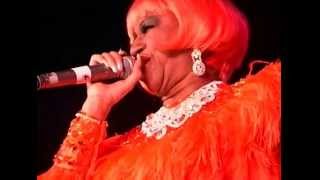
Guantanamera Lyrics in English by Celia Cruz
Amparo translates to 'refuge' or 'shelter', representing a place of deep safety and protection.
In this famous song adapted from José Martí's poetry, the lyrics describe a verse as a "ciervo herido que busca en el monte amparo" (a wounded deer seeking refuge in the mountain). This vivid metaphor uses the word to portray a vulnerable soul looking for a safe haven, proving that this catchy tune is actually a poetic masterpiece.
You cannot talk about Cuban music without running into "Guantanamera", and Celia Cruz delivers it with pure joy. The chorus repeats the phrase "Guajira guantanamera", which simply means a peasant girl from Guantánamo, a province in eastern Cuba (guajira is Cuban Spanish for a country girl or farmer). Even though the chorus is an easy, catchy chant about a country girl, the verses are adapted from verses by the Cuban writer José Martí. The singer introduces themselves right away with "Yo soy un hombre sincero / De donde crece la palma" [I am an honest man / From where the palm tree grows], setting down roots in the rural Cuban countryside before stating their simple wish: "Y antes de morir yo quiero / Cantar mis versos del alma" [And before dying I want / To sing my soul's verses].
What makes the song special is how gentle and straightforward the imagery stays. Instead of bragging or singing about drama, the speaker talks about simple kindness: "Cultivo una rosa blanca / En junio como en enero / Para el amigo sincero / Que me da su mano franca" [I grow a white rose / In June just like in January / For the honest friend / Who gives me his frank hand]. A white rose here is a token of peace and goodwill given all year round. By the final verse, the lyrics compare poetry itself to nature and vulnerability: "Mi verso es un ciervo herido / Que busca en el monte amparo" [My verse is a wounded deer / Seeking shelter in the wilderness]. It is a humble song about friendship, nature, and speaking from the heart.