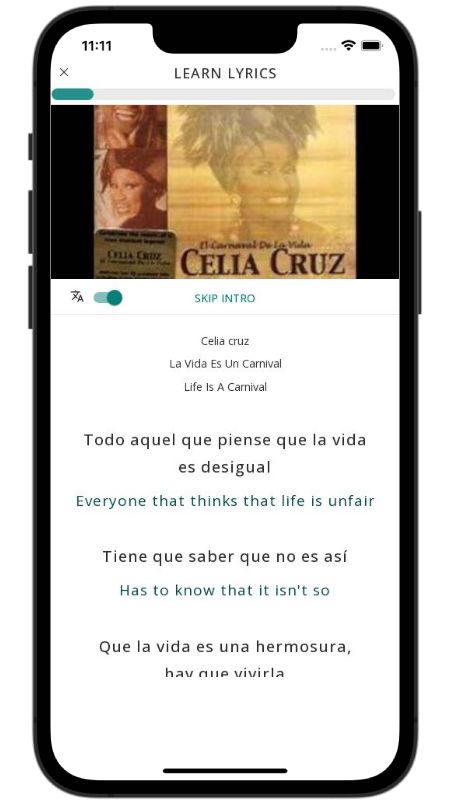
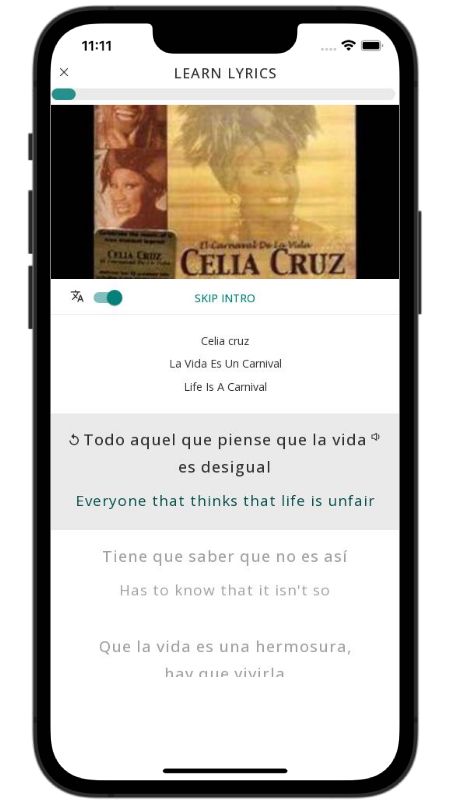
La Vida Es Un Carnival Lyrics in English by Celia cruz
Carnaval literally means "carnival," a festival full of music, costumes, and celebration. While it's an easy word to recognize, its meaning in this iconic song is much deeper and more philosophical.
Celia Cruz uses it as a powerful metaphor for life itself. She sings "Que la vida es un carnaval" (That life is a carnival) to teach us that life, with all its ups and downs, is a beautiful, vibrant celebration that should be lived with joy and music. It’s a memorable and uplifting message wrapped in a single, festive word.
Cuban powerhouse Celia Cruz kicks off this track with pure defiance against bad days. Right away, she takes aim at anyone convinced that the world is inherently unfair or lonely: "Todo aquel que piense que está solo y que está mal / Tiene que saber que no es así" ("Anyone who thinks they are alone and bad off / Needs to know it's not like that"). Instead of letting misery take over, her fix is straightforward: sing right through it. The central hook repeats "no hay que llorar / Que la vida es un carnaval / Y las penas se van cantando" ("there is no need to cry / Because life is a carnival / And troubles go away by singing"). She relies on a classic Spanish idiom, "al mal tiempo, buena cara" (literally "to bad weather, a good face", or putting on a brave face in hard times), reminding you that hard moments are temporary and things shift.
Then things get blunt near the end. Cruz calls out the real troublemakers who ruin the party: "Para aquellos que usan las armas... Para aquellos que hacen la guerra" ("For those who use weapons... For those who make war"), along with complainers, critics, polluters, and abusers. Even when she addresses people who think "la vida es cruel" ("life is cruel"), she insists they are never abandoned. The whole song runs on this stubborn, energetic refusal to surrender to gloom, arguing that treating life like a carnival street party is the best weapon against despair.