No Es Que Te Extrañe Lyrics in English by Christina Aguilera
Ausente translates to 'absent', but it carries a deep emotional weight beyond just physical presence. It can also describe someone who is emotionally distant or unavailable.
In this powerful ballad, Christina Aguilera sings, "Si fuiste ausente y callado..." (If you were absent and quiet...). She uses this word to capture the feeling of loneliness within the relationship, reflecting on a partner who was not emotionally present. It's a poetic word that is key to the song's story of empathy and understanding the past.
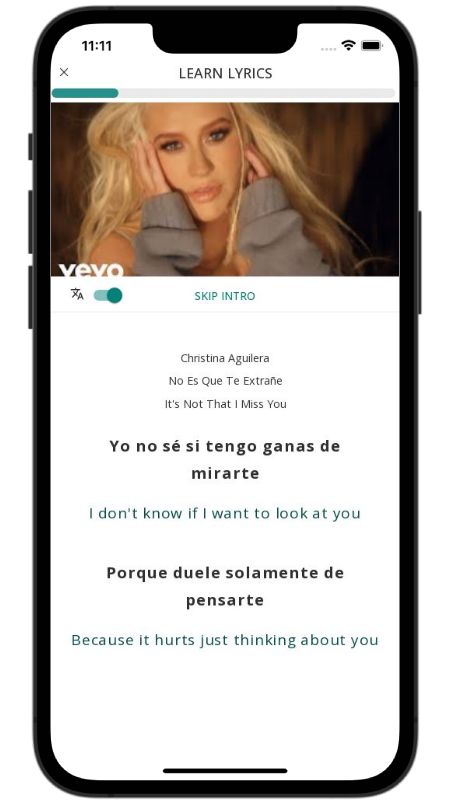
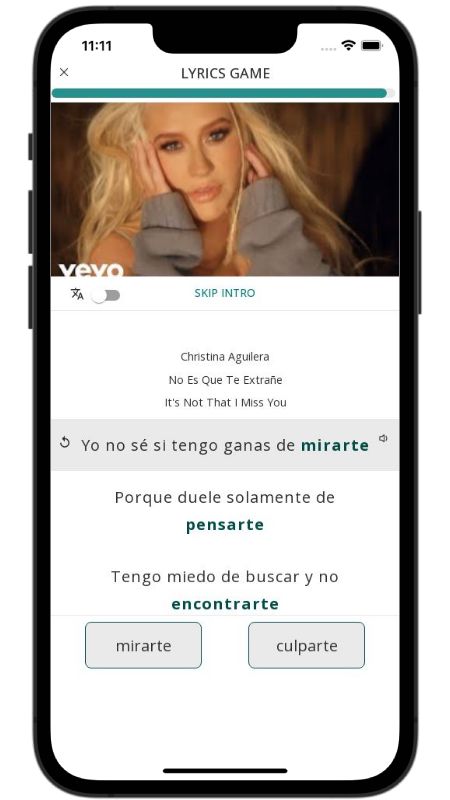
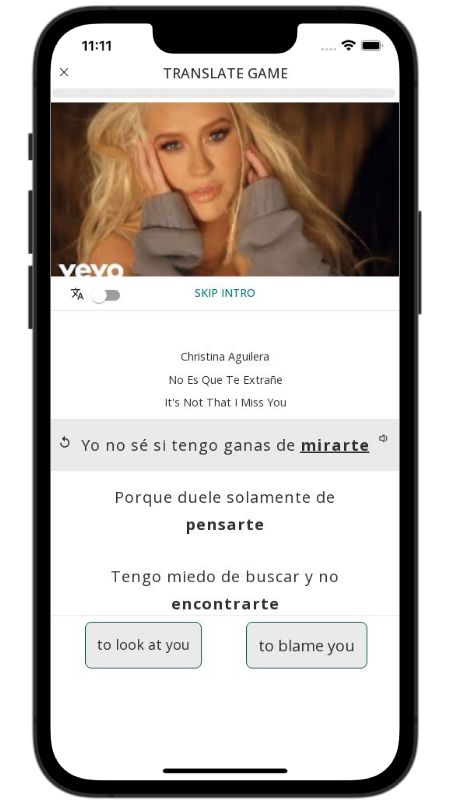
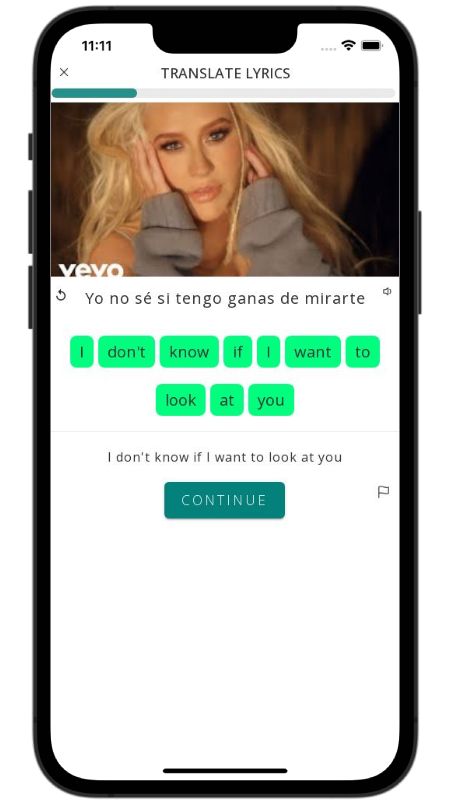
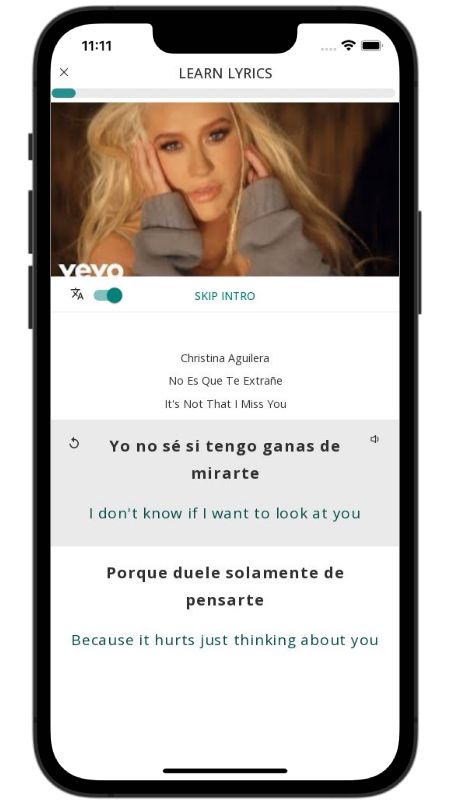
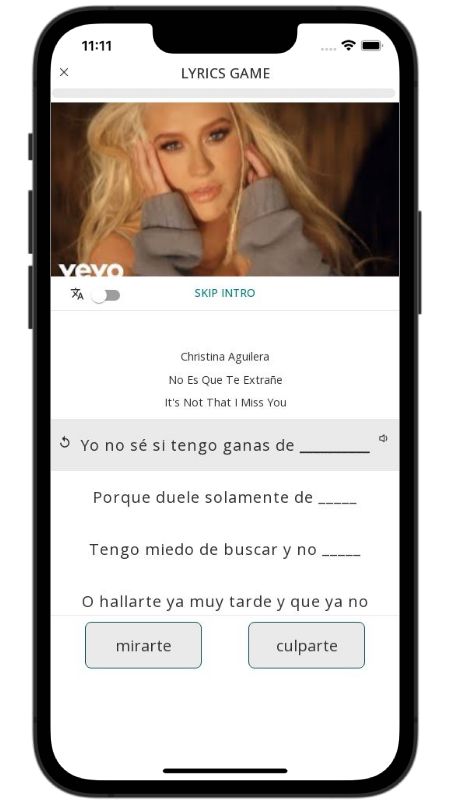
Have you ever insisted you are completely fine while secretly checking up on someone who hurt you? That is the exact tension Christina Aguilera brings to "No Es Que Te Extrañe". She keeps repeating the defensive title phrase, "No es que te extrañe" [It's not that I miss you], brushing it off as pure curiosity: "Sólo es curiosidad saber qué estás haciendo" [It's just curiosity to know what you are doing]. But her own mind betrays her. She admits that merely thinking about this person hurts ("duele solamente de pensarte"), yet she clings to a solitary, sharp physical sensory memory: "tu aroma, yo colgada de tu cuello" [your scent, me hanging from your neck]. Time refuses to erase that smell, leaving her awake at night with endless unanswered questions.
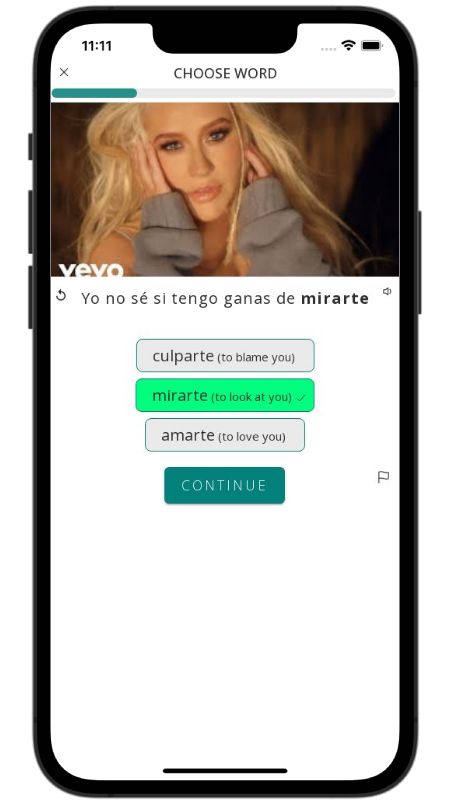
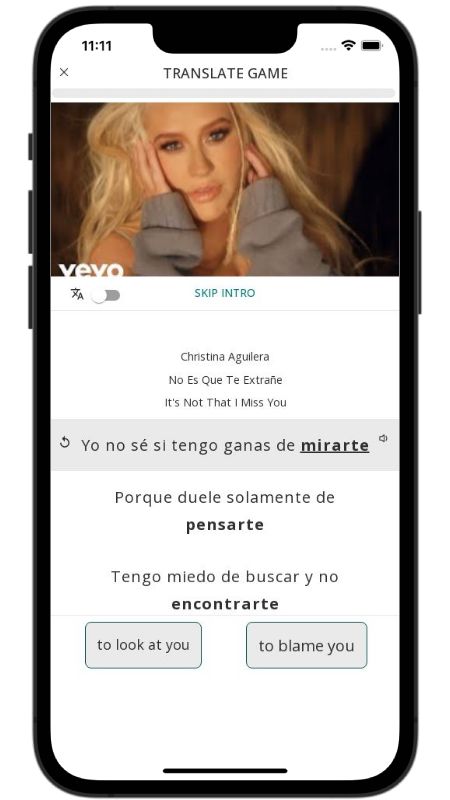
What makes this track stand out is that it moves past bitterness and lands on hard-won clarity. Instead of pointing fingers forever, she sings: "Ya no quiero más culparte" [I don't want to blame you anymore]. She figures out that if this person was emotionally distant and silent ("ausente y callado"), it is because someone broke them first: "Fue porque también a ti / Alguien te hizo daño" [It was because someone hurt you too]. It is a striking, mature confession where she does not ask for anything back, but refuses to let the years slip away without acknowledging that shared cycle of pain.