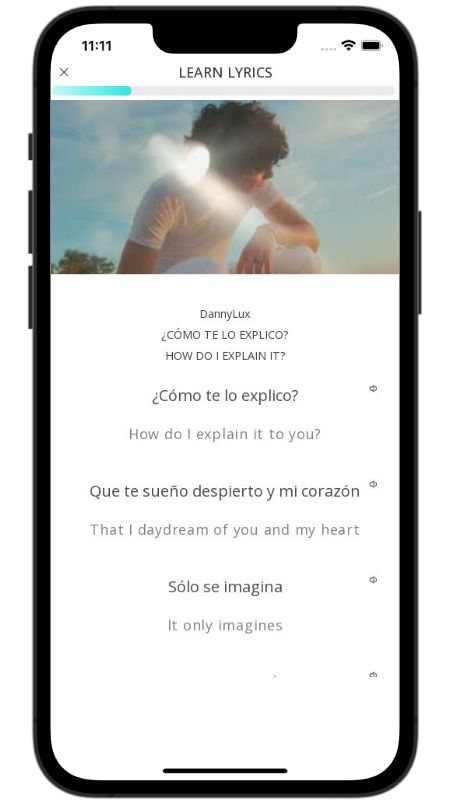
¿CÓMO TE LO EXPLICO? Lyrics in English by DannyLux
Boquita is the diminutive form of boca (mouth), meaning "little mouth." Diminutives in Spanish often add a sense of endearment, tenderness, or cuteness.
In this romantic song, DannyLux uses boquita when he sings, "Besarte esa boquita que ya no está solita" (Kiss that little mouth that is no longer alone). It's a sweet and affectionate way to refer to his beloved's mouth, emphasizing his tender feelings and the intimacy of the moment.
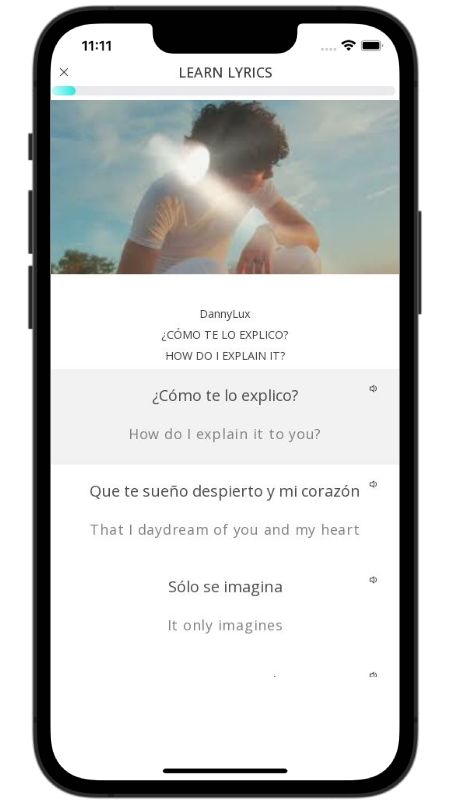
Have you ever fallen so hard for someone that your brain completely checks out of reality? That is the exact sweet, goofy mood DannyLux leans into on "¿CÓMO TE LO EXPLICO?" (How do I explain it to you?). He kicks things off by daydreaming wide awake—or as he puts it, "te sueño despierto" (I dream of you awake)—because all his heart wants to do is serenade this person. It is unabashedly romantic Regional Mexican music stripped of any pretense: no flexes, no ego, just a guy ready to trade diamonds for company because "No se necesita / Joyas ni riquezas si tú estás" (Neither jewels nor riches are needed if you are here).
What makes this track fun to sing along to is its cheesy, hopeless devotion. He straight-up calls "Tú y yo" (You and me) his favorite phrase in the world, and begs the heavens with "que Dios me lo permita" (may God allow me) just to give love and kiss "esa boquita que ya no está solita" (that little mouth that isn't alone anymore). The diminutive boquita is super affectionate here, turning a basic kiss into something tender and cute. He even promises to travel all the way up to heaven—"hasta el cielo voy"—to win their affection, insisting that when he looks ahead, he literally cannot picture a future without the two of them side by side.