Più Bella Cosa Lyrics in English by Eros Ramazzotti
Briciolo literally translates to "crumb," as in a crumb of bread. It's a wonderfully visual word that is often used metaphorically in Italian to mean "a tiny bit" or "a sliver" of something.
In this classic song, Ramazzotti says that love requires "un briciolo di pazzia" (a crumb of madness). He uses this unique metaphor to suggest that a passionate relationship needs an essential, playful spark of craziness to truly thrive.
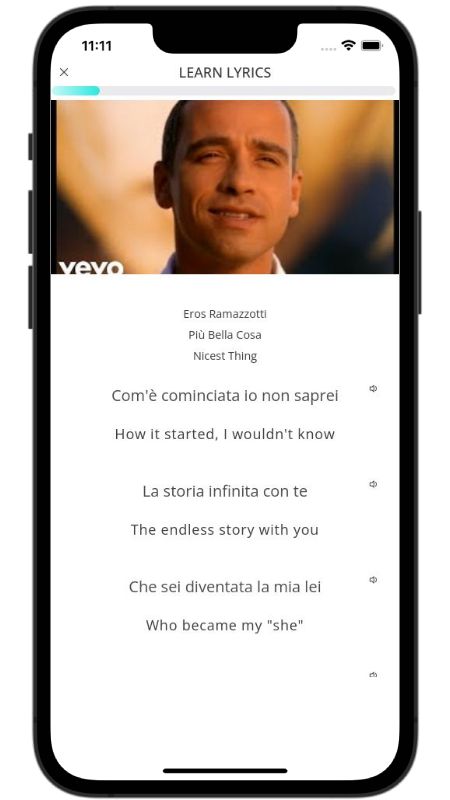
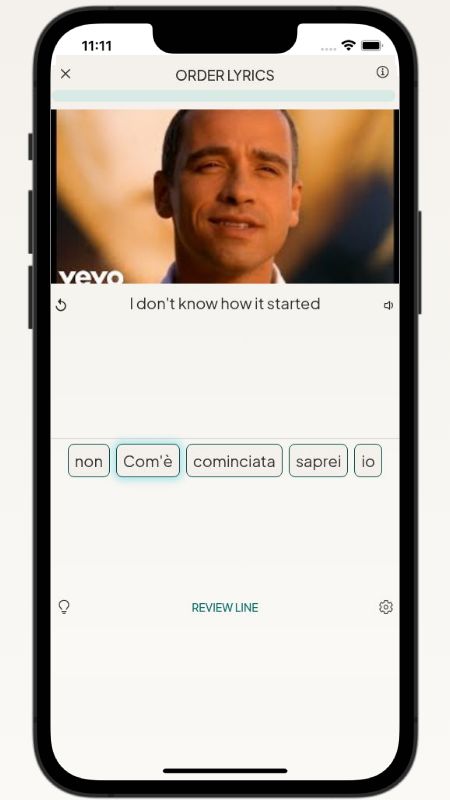
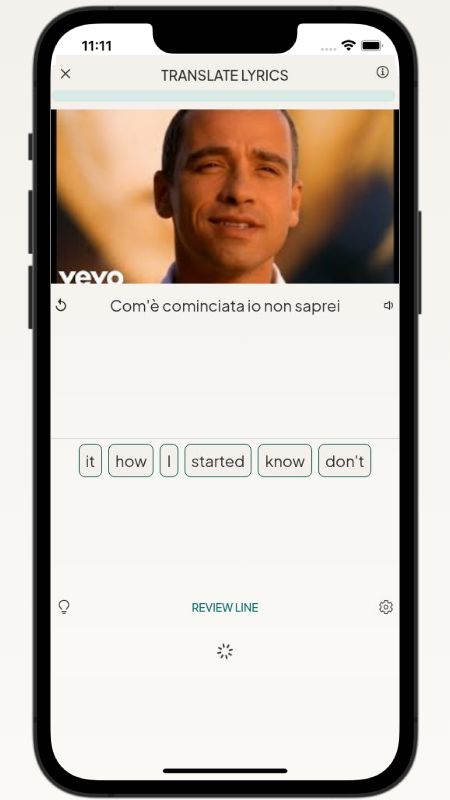
If you want pure, sweeping Italian romance, Eros Ramazzotti hands it to you on a silver platter here. He starts out admitting he has no clue how this whole thing began—"Com'è cominciata io non saprei" (How it began, I wouldn't know)—only that his partner became his whole world. But he refuses to pretend romance is effortless magic. He calls it real labor. To keep this bond alive, he needs "un briciolo di pazzia" (a tiny crumb of madness), plenty of imagination, and what he literally terms "lavoro di cuore" (heart work) and "mestiere" (craft or trade). That word mestiere is fantastic: it is the vocabulary of an artisan or a carpenter, used here to describe staying in love.
Then he hits you with one of the most unapologetically dramatic choruses in pop music: "Più bella cosa non c'è / Più bella cosa di te" (There is no lovelier thing, no lovelier thing than you). Singing about love is never enough ("Cantare d'amore non basta mai"), so he just sums up his gratitude with the famous line "Grazie di esistere" (Thank you for existing). It might sound extreme, but the track sells it through absolute sincerity. Years go by, and he still admits he cannot crack the mystery of why his desire never fades ("Cos'è quel mistero che ancora sei"). He simply puts in the vocal work—"lavoro di voce"—and lets the music do the rest.