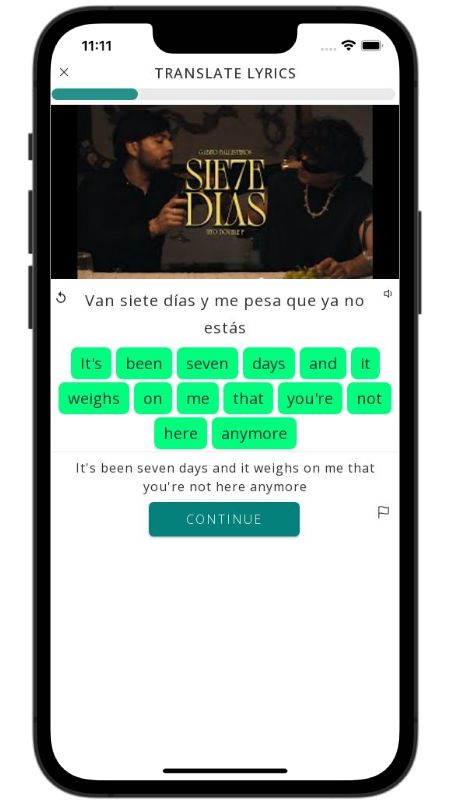
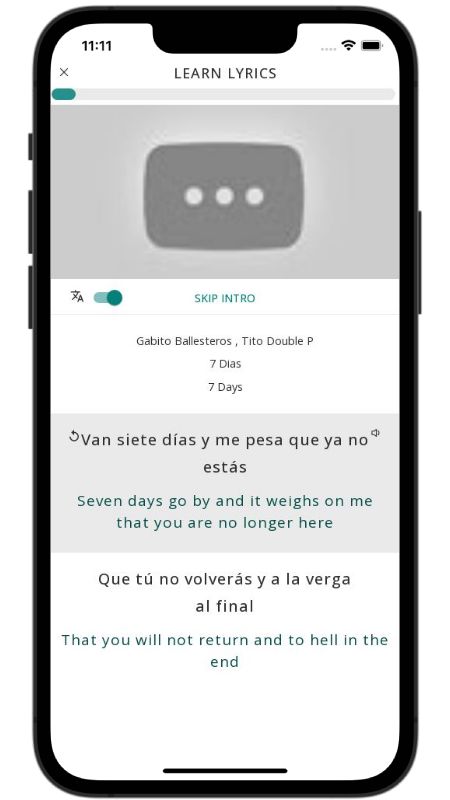
7 Dias Lyrics in English by Gabito Ballesteros, Tito Double P
Loqueras comes from the root word loco (crazy) and translates to "craziness", "foolishness", or "wild behavior". It is a highly expressive slang term frequently used in Mexico and across Latin America to describe acting out or doing reckless things.
In this song, Gabito Ballesteros sings, "¿Como voy a explicar que me perdí en loqueras?" (How am I going to explain that I got lost in wild behavior?). He uses this memorable word to admit that he turned to partying and reckless choices as a distraction from the anxiety of a painful breakup.
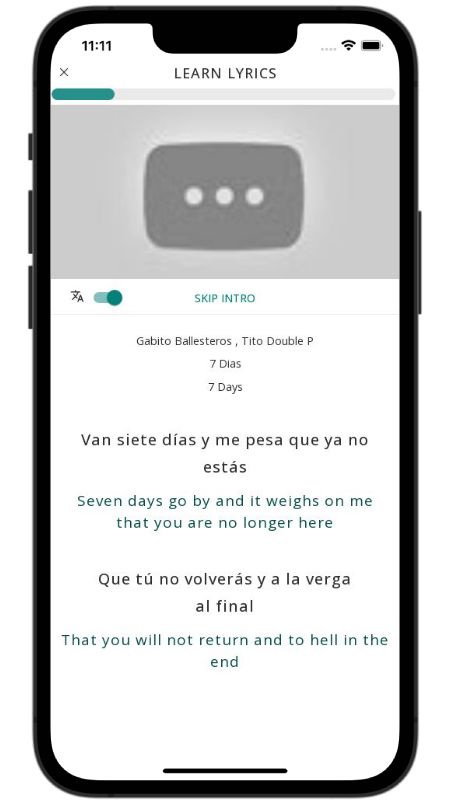
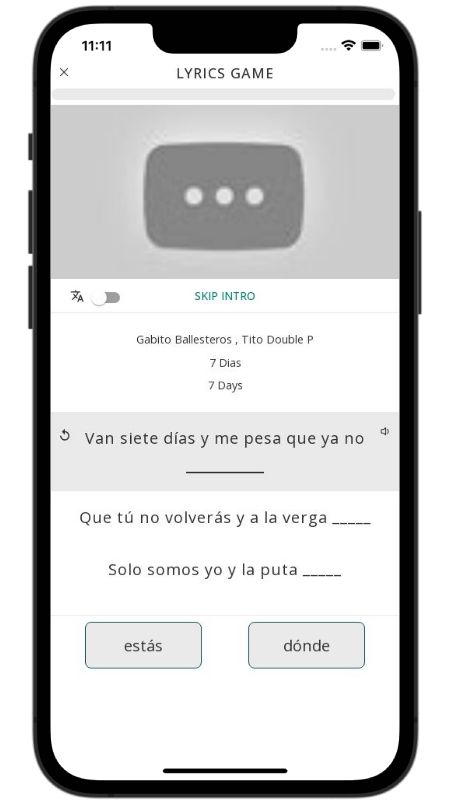
Gabito Ballesteros and Tito Double P walk straight into the wreckage of a fresh breakup in "7 Dias". It has only been a week, and instead of taking the high road, the narrator admits he is completely consumed by stress and poor coping mechanisms. He bluntly complains, "Sólo somos yo y la puta ansiedad" ("It's only me and the fucking anxiety"), facing down "treinta llamadas perdidas" ("thirty missed calls"). To drown out the panic, he goes on a bender with his friends ("los panas") and other women, blowing money without caring. In Mexican slang, his exclamation "a la verga al final" is a crude, exasperated way of throwing his hands up and saying "to hell with it all."
Even while he insists he is trying to move on, his ego will not let the situation go. He claims that "el alcohol sabe mal" ("the alcohol tastes bad") and swears he will never look at her again, yet he immediately turns around to question her: "Dime qué tienes / Si tú al final no sabes ni qué quieres" ("Tell me what's wrong with you / If in the end you don't even know what you want"). He calls her out on what he sees as a bluff, insisting that despite her cold act, "en esos ojos se ve que aún me quieres" ("in those eyes it shows you still love me"). It is a messy, chaotic look at a guy whose pride is bruised while his life spins out of control.