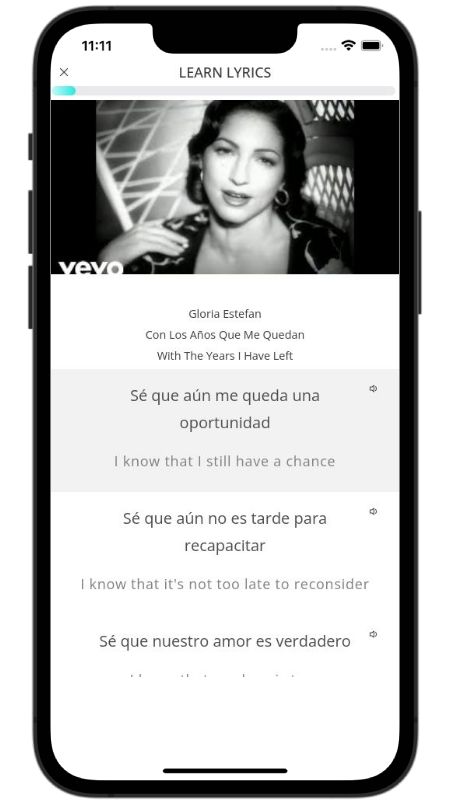
Con Los Años Que Me Quedan Lyrics in English by Gloria Estefan
Recapacitar means "to reconsider" or "to think things over." It’s a sophisticated verb that you won't hear in every song, suggesting deep and serious thought.
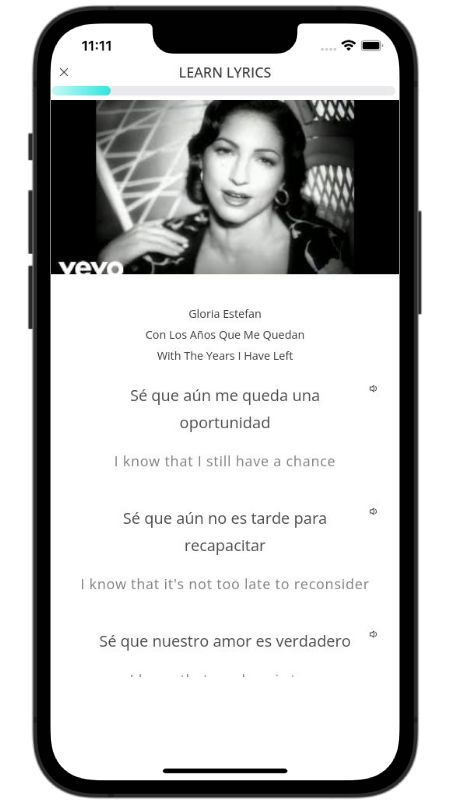
In this powerful ballad, Gloria Estefan sings "Sé que aún no es tarde para recapacitar" (I know it's not too late to reconsider). This single word captures the entire song's theme: a heartfelt plea for a second chance after making a mistake, promising to make things right with the years she has left.
Ever made a huge mistake in a relationship and wished you could dedicate the rest of your life to fixing it? That is the entire heart of Gloria Estefan's Latin pop classic "Con Los Años Que Me Quedan" (With the Years I Have Left). Right out of the gate, she owns up to her mistakes with complete honesty. She admits that past immaturity ruined things, singing "Quizás fue inmadurez de mi parte, no te supe querer" (Maybe it was immaturity on my part, I didn't know how to love you). Instead of throwing up her hands and walking away, she pleads for one more chance to prove her love is real, promising to spend whatever time she has left making amends.
The song feels like a deeply personal promise. Gloria vows to erase old hurts with fresh passion, declaring "Borrando cada dolor con besos llenos de pasión" (Erasing every pain with kisses full of passion) and asks her partner to watch how she changes over time. When she sings "El tiempo te dirá, si tienes fe en mí" (Time will tell you, if you have faith in me), she knows talk is cheap. She is ready to put in the work until the very end, asking directly "Dime que no es el final" (Tell me it's not the end) so she can spend her future making them fall in love all over again.