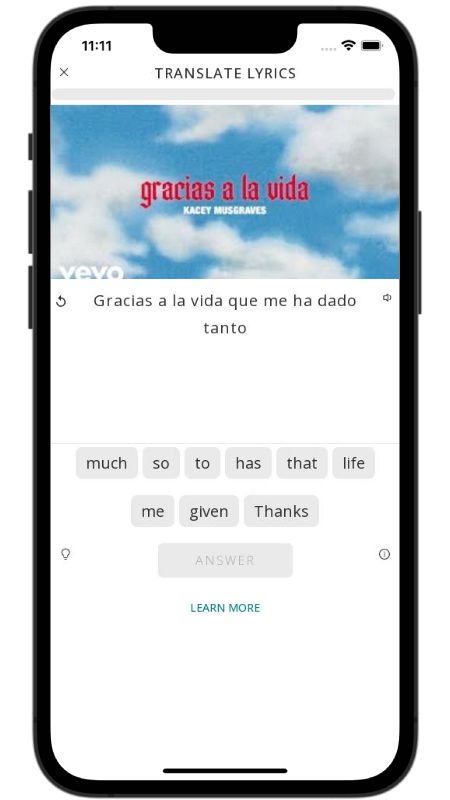
Gracias A La Vida Lyrics in English by Kacey Musgraves
Quebranto is a powerful and poetic word that means "heartbreak", "breakdown", or "affliction". It comes from the verb quebrar, which means "to break".
In this profound song, the singer gives thanks for both joy and sorrow. She sings, "Así yo distingo dicha de quebranto" (Thus I distinguish bliss from heartbreak), showing gratitude for the full spectrum of life's experiences which allows her to understand and create her song. This beautiful contrast makes quebranto a truly memorable word.
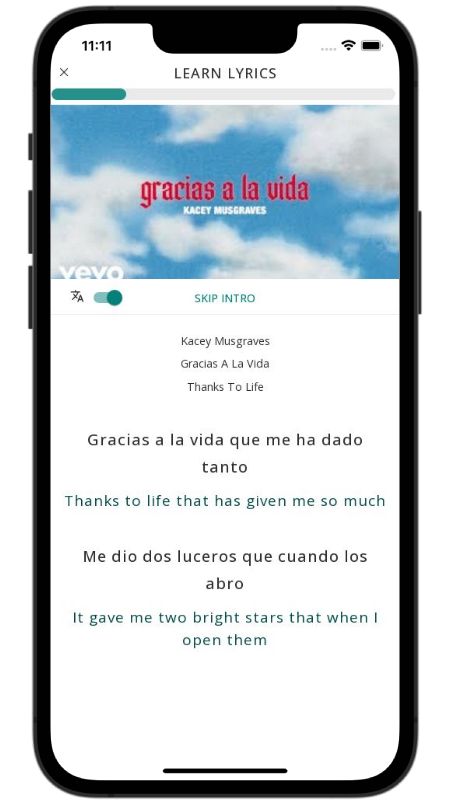
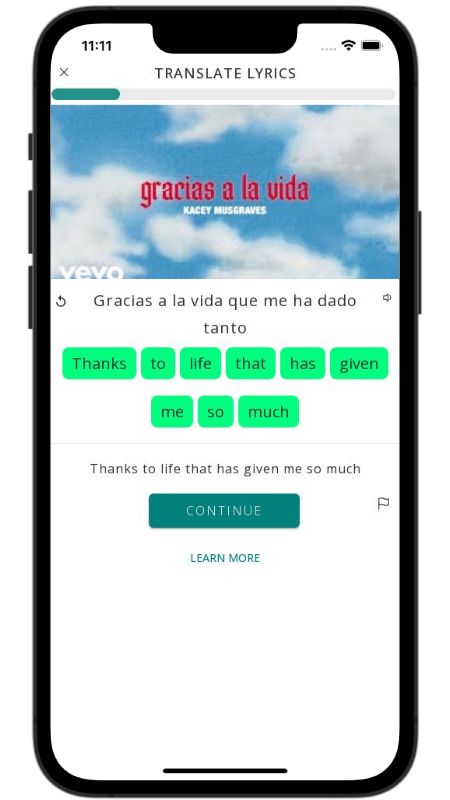
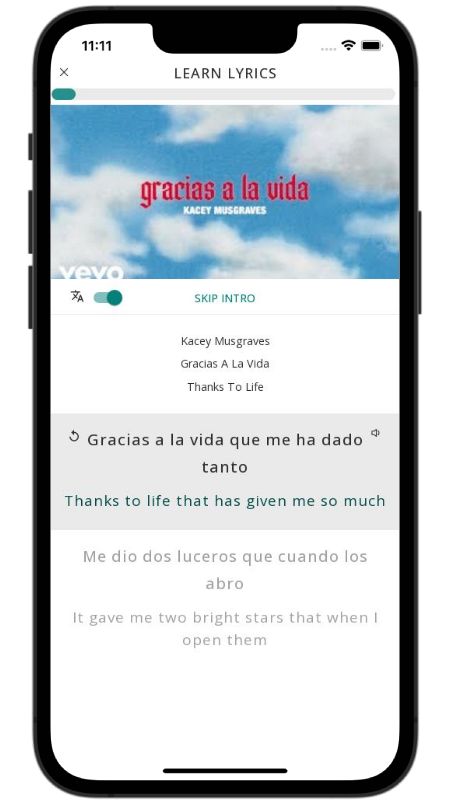
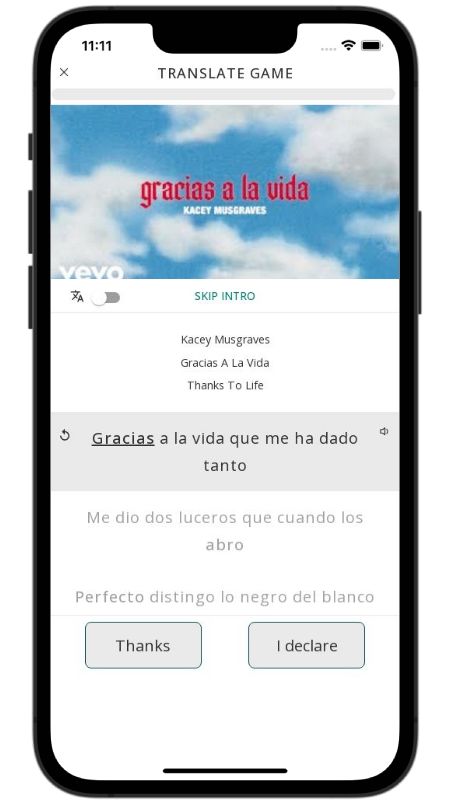
American country artist Kacey Musgraves takes on a classic folk anthem with Gracias A La Vida ("Thanks to life"), and the message is straightforward: absolute gratitude for the human senses. Instead of vague blessings, the song counts physical gifts one by one. She starts with vision, celebrating the "dos luceros" ("two bright stars," a poetic Spanish metaphor for eyes) that let her tell black from white, spot constellations, and pick out the person she loves in a crowded room.
From there, the track moves through hearing, speech, movement, and feeling. She lists noisy details like "grillos y canarios" ("crickets and canaries") alongside industrial clatter like "martillos, turbinas" ("hammers, turbines"). She thanks life for "mis pies cansados" ("my tired feet") that carried her across puddles, deserts, and right to her lover's doorstep. Best of all, she embraces both sides of living: "Me ha dado la risa y me ha dado el llanto" ("It has given me laughter and it has given me tears"). Sorrow and joy balance each other out, making up the exact song that everyone else is singing, too.