Como Te Quiero Yo Lyrics in English by Kali Uchis
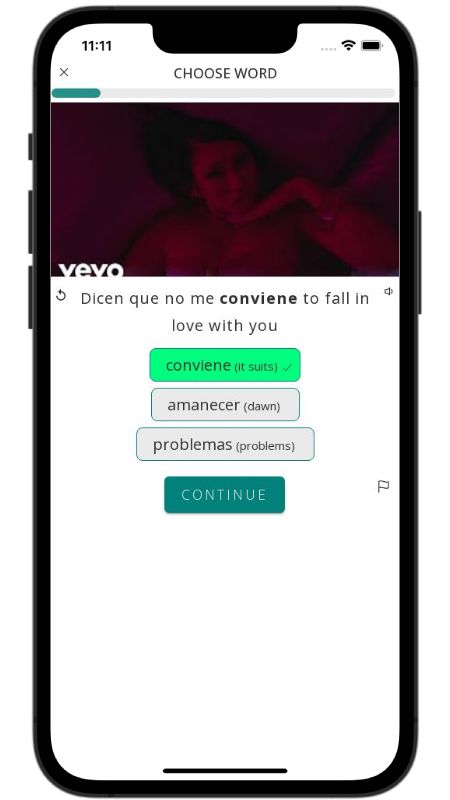
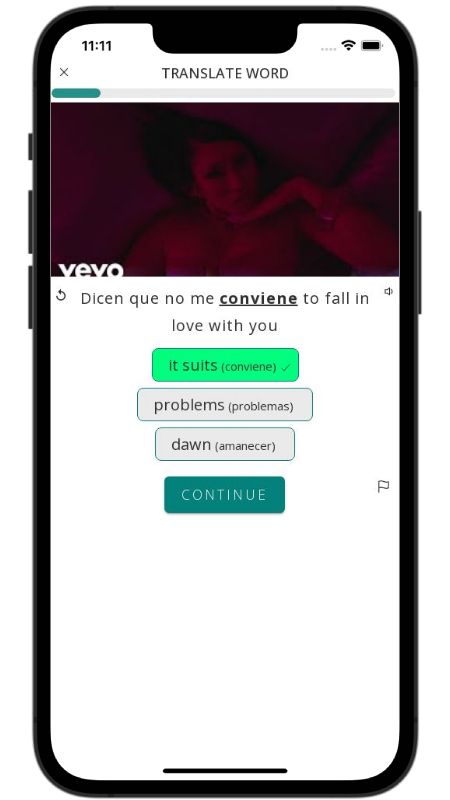
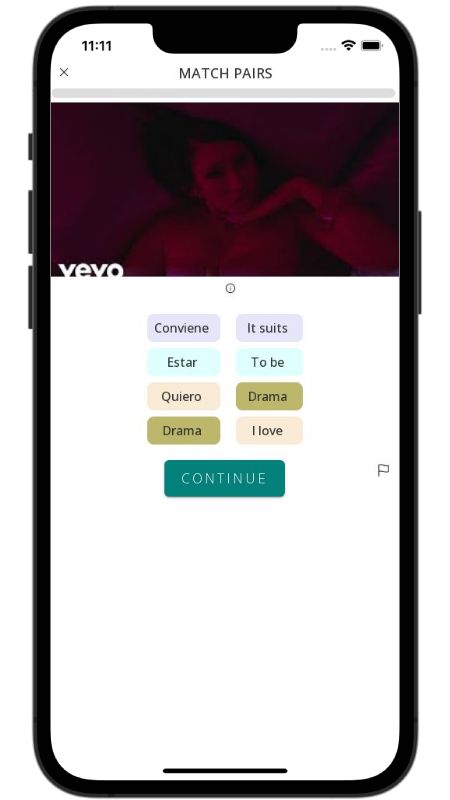
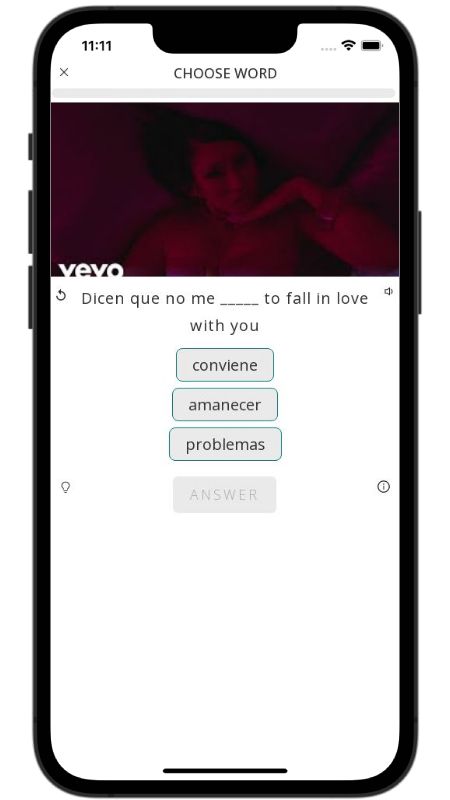
Conviene comes from the verb convenir and means 'to be advisable' or 'to be a good idea'. It's a fantastic, practical word that expresses a more nuanced idea than simply 'good' or 'bad'.
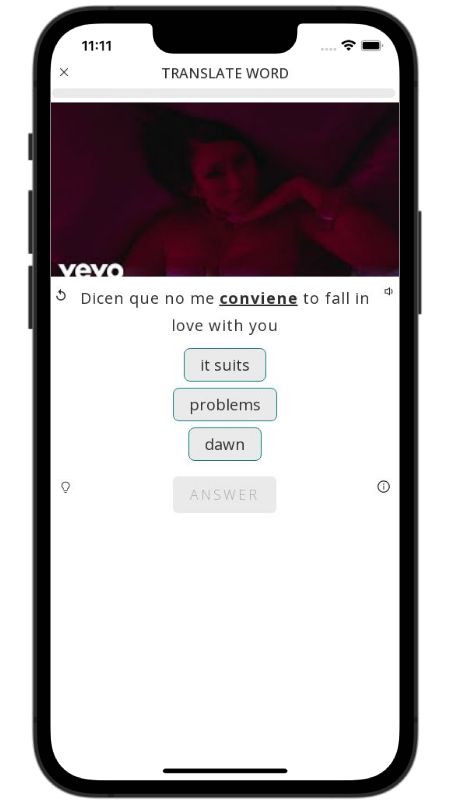
In the song, Kali Uchis opens with "Dicen que no me conviene to fall in love with you" (They say it's not a good idea for me to fall in love with you). This one word immediately sets up the song's dramatic theme of a forbidden or complicated love that she decides to pursue despite the warnings.
Kali Uchis blends English and Spanish into a smooth, late-night confession about choosing passion over peace of mind. Right from the start, she admits people warn her that this romance is bad news: "Dicen que no me conviene to fall in love with you" [They say it is not good for me to fall in love with you]. But honestly? She does not care. She points out that outsiders will never match her devotion with "Como te quiero yo" [How I love you]. For her, walking away is out of the question because "It's too late to close that door" and "Sin ti no puedo estar" [Without you I cannot be].
Relationships get messy, and she embraces that reality with the classic romantic drama line "Si no hay drama no hay amor" [If there is no drama, there is no love]. Still, she is tired of the actual fighting. Instead of arguing until sunrise, she proposes a much simpler fix: "Ya no quiero más problemas / Te quiero en la cama y sin más complicación" [I don't want any more problems / I want you in bed without any more complication]. Because "Tomorrow may never come," she cuts through the everyday bickering to focus on what she really wants—holding onto the person she loves, unconditionally, all night long.