San Lucas Lyrics in English by Kevin Kaarl
Salvajes translates to "wild" or "wild ones". It's a word that perfectly captures the romantic, rebellious spirit of this song.
Kevin Kaarl paints a picture of escaping with a lover "a vivir salvajes, libres" (to live wild, free) in San Lucas. This isn't about being dangerous; it's about living a passionate, untamed life together, full of adventure and free from society's rules.
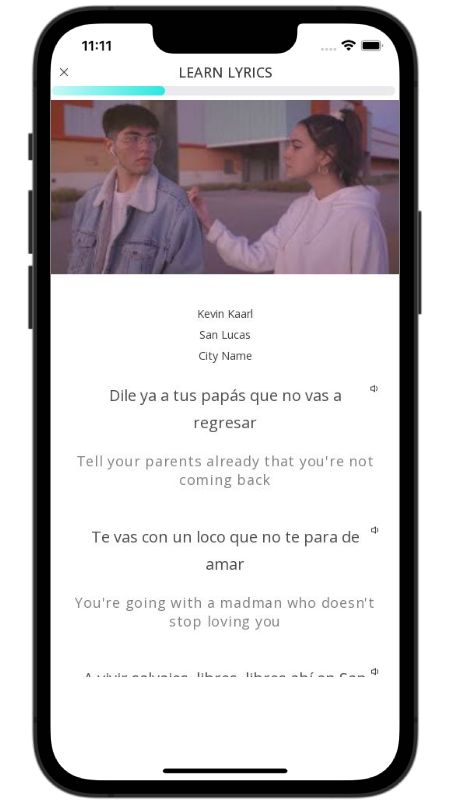
Mexican folk singer Kevin Kaarl offers an impulsive, romantic getaway in "San Lucas." The track kicks off with a bold demand: tell your parents you are never coming back because you are running away with a madman who loves you endlessly ("Dile ya a tus papás que no vas a regresar / Te vas con un loco que no te para de amar"). Instead of staying stuck in a bedroom crying over past pain ("Llorando siempre en tu habitación"), he urges her to run off to San Lucas to live wild and free ("A vivir salvajes, libres, libres ahí en San Lucas"). San Lucas is a coastal town in Baja California Sur, Mexico, which makes the next comparison to nature fit right in: he tells her that her eyes shine brighter than the moon, the sun, and the sea ("Tus ojos brillan más que la luna, sol y mar").
There is a sweet simplicity to the rest of his pitch. He watches her dance across the open fields in a white dress ("Qué bonito tu vestido blanco / Ella baila, que ella baila con el campo"), begging her to drop her fear because the bad times are behind her ("Mira, mira, corazón, olvida el miedo que hay en ti / Es que deja de sufrir, todo aquello ya pasó"). In Spanish, calling someone corazón (heart) is a common, affectionate pet name, like calling someone 'sweetheart' or 'darling' in English. Rather than promising fancy material things, he keeps his goal simple and direct: he just wants to bare her soul and dedicate a song to her ("Desnudar tu alma y dedicarle una canción").