Abrázame Lyrics in English by La Oreja de Van Gogh
Descalzos literally means "barefoot". While a common word, its use in this song is beautifully poetic and uncommon, making it a memorable one to learn.
La Oreja de Van Gogh sings, "...era posible caminar descalzos por el tiempo" (it was possible to walk barefoot through time). This evocative phrase paints a picture of innocence, freedom, and a love so strong it felt like it could defy the laws of reality and time itself. It's a perfect example of how Spanish can create magical, romantic imagery.
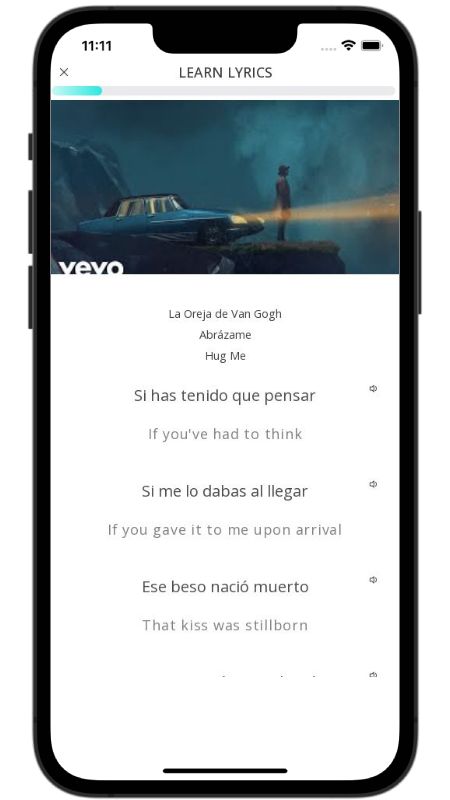
Spanish pop group La Oreja de Van Gogh delivers an intensely dramatic ballad about a love that is falling apart under the weight of routine. Right from the start, the lyrics refuse half-hearted affection: "Si has tenido que pensar / Si me lo dabas al llegar / Ese beso nació muerto" ("If you had to think about whether to give it to me when you arrived, that kiss was born dead"). The singer demands full devotion, asking that your heart drop to its knees even when standing just a centimeter away. When that warmth disappears, the whole world crashes down: "Nuestra estrella se cayó / Y nos partió la casa en dos" ("Our star fell and broke our house in two").
The chorus hits with an urgent plea for connection before everything slips away completely: "Abrázame abrázame / Que el sol se va / Y hay que volver" ("Hold me, hold me, because the sun is setting and we have to go back"). There is a heavy feeling of being stuck to the ground despite having wings to fly, weighed down by "tanto, tanto amor" ("so much, so much love"). By the end, the song asks for one final, united step forward, begging "No te vayas sin mí" ("Don't go without me") so the sea breeze can carry away whatever ashes remain.