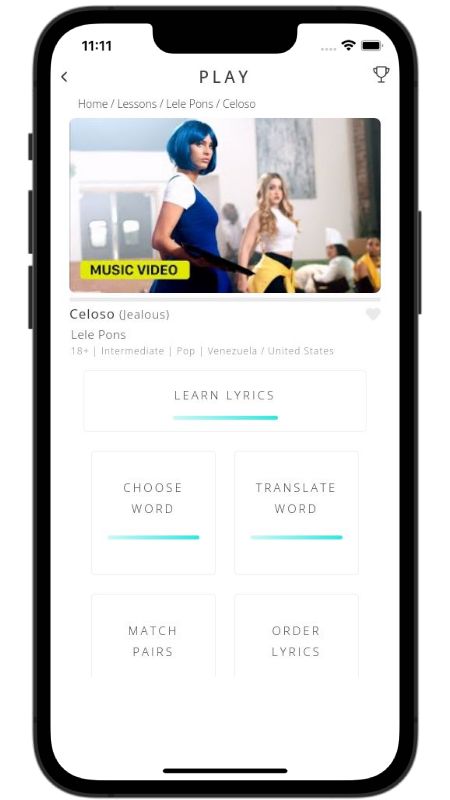
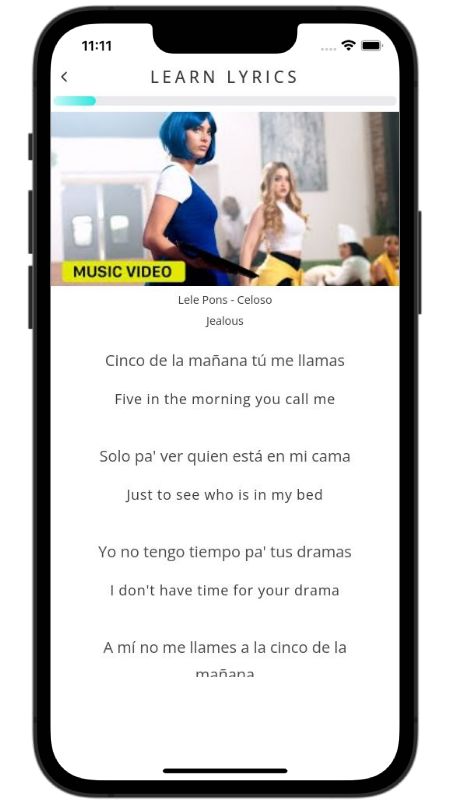
Celoso Lyrics in English by Lele Pons
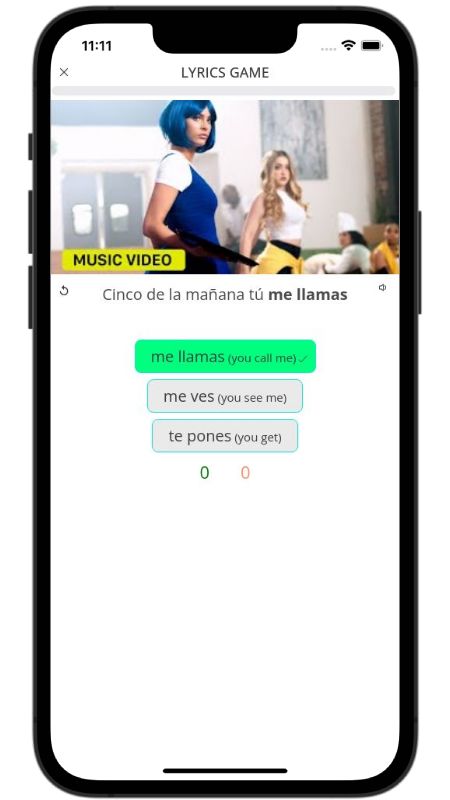
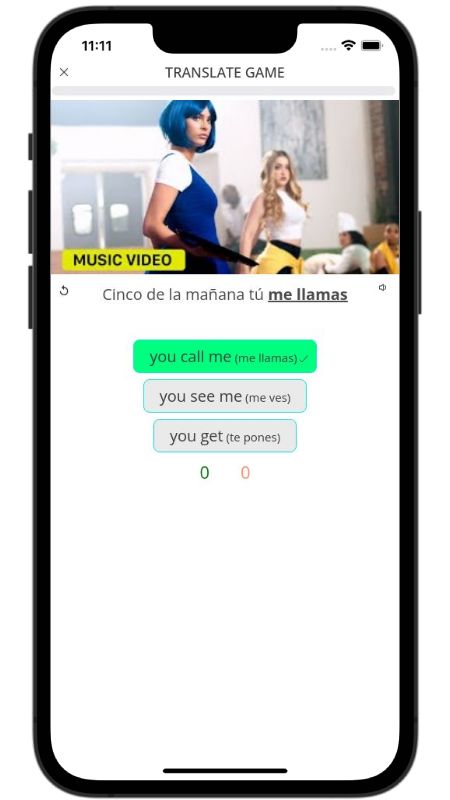
Celoso translates directly to "jealous" in English. It's a key word in this song, not only because it appears multiple times in the lyrics, but it's also the song's title, immediately signaling the central theme.
The song revolves around the singer's independence and her reaction to someone else's jealousy when she enjoys herself and dances freely. It's an emotionally charged word that drives the entire narrative of the song, making it incredibly enticing.
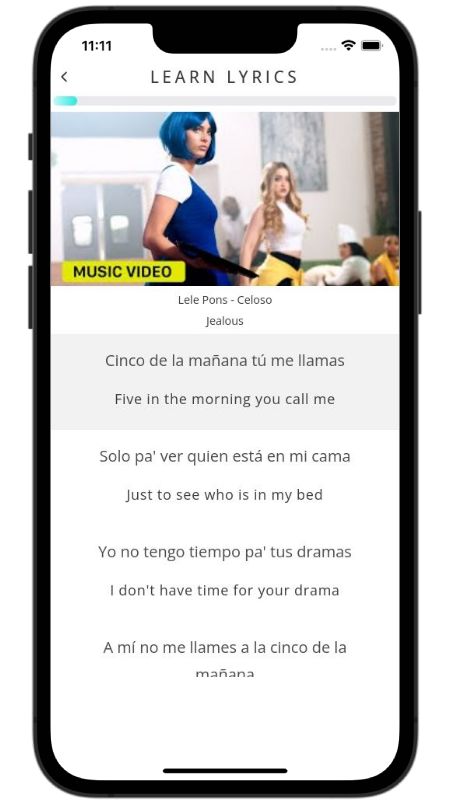
If someone calls you at 5:00 AM just to check who is sleeping next to you, Lele Pons has the perfect response: hang up and keep dancing. In "Celoso" (Jealous), the Venezuelan-American singer shuts down an overbearing guy who acts possessive even though they are not together. When he tries to control her night, she makes it clear she is out partying with her sister ("ando de rumba con mi hermana" [I am out partying with my sister]) and does not have time for his early-morning drama.
The track is all about total independence on the dance floor. He gets mad when he spots her with someone else, but she delivers the ultimate reality check: "Yo no soy de ellos, ni tuya tampoco" (I don't belong to them, and I'm not yours either). She shuts down his attempts to flash his cash too, bluntly reminding him, "Tienes dinero pero yo también trabajo" (You have money, but I work too) so she can buy her own drinks. Instead of letting his jealousy ruin her night, she catches him staring and dances even more ("tú me miras, yo me meneo" [you look at me, I shake my hips]), having fun purely on her own terms.