TELÉFONO Lyrics in English by Lele Pons, Aitana
Rogándome means 'begging me'. It comes from the verb rogar, which is a strong, emotional word that means 'to beg' or 'to plead'.
In this empowering song, Lele Pons sings "Tú puedes seguir, seguir rogándome" (You can keep on, keep on begging me). She's telling her ex that no amount of pleading will make her answer his calls, perfectly capturing the song's theme of taking back control after a breakup.
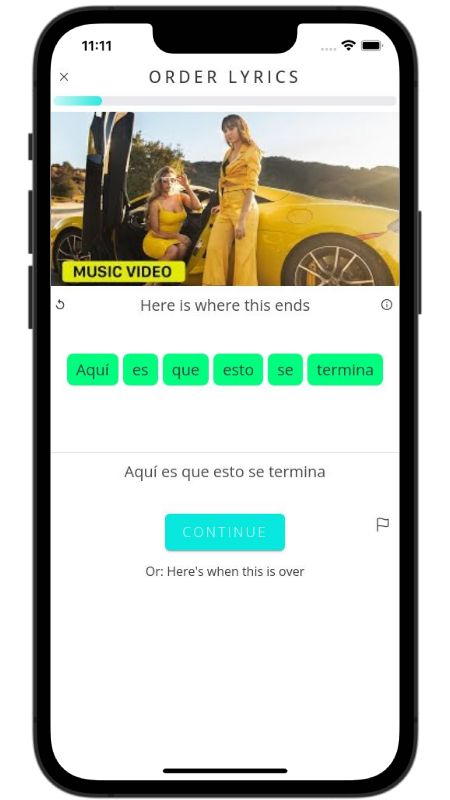
Ever had an ex who only crawls out of the woodwork when life gets messy? That is the exact headache Venezuelan-American star Lele Pons and Aitana tackle in "TELÉFONO." They lay down the law immediately: "Aquí es que esto se termina / Un poco de tu propia medicina" [This is where this ends / A bit of your own medicine]. When they say "tu propia medicina," it works just like the English idiom "a taste of your own medicine." He spent weeks lying and playing games, so now he gets left on read. The singer refuses to fall for the drama anymore, mocking how he only reaches out during bad times: "Solo cuando llueve me buscas / Solo cuando hay frío te asustas" [Only when it rains do you look for me / Only when it's cold do you get scared].
To finally stop the cycle, she takes the most drastic step a modern person can take: ditching the screen entirely. The hook repeats her survival plan: "Hoy he dejado mi teléfono para no llamarte / Para no llamarte, para así olvidarte" [Today I left my phone behind so I wouldn't call you / So I wouldn't call you, so I could forget you]. Leaving the phone on the counter removes the temptation to text back, beg, or answer his missed calls ("una llamada perdida fácil se olvida" [a missed call is easy to forget]). Of course, there is still a petty, satisfying jab thrown in. She notes, "Subo una foto y de una vez la miras / Pero así sufrirás por tus mentiras" [I post a photo and you check it right away / But that way you'll suffer for your lies]. She might be cutting off direct contact, but she knows he is still lurking on her profile, regretting every lie he told.