La Nunta Asta Lyrics in English Lia Taburcean
Colivie literally means 'cage'. It's a striking word that isn't commonly found in everyday conversation or typical song lyrics, making it memorable and unique.
In the context of this song, the singer expresses a newfound desire for freedom and enjoyment, saying "Mi-e a început să-mi placă după colivie" (I started to like it after the cage). This powerfully suggests that she feels she's been confined or restricted, perhaps by societal expectations or her upbringing, and is now breaking free to enjoy life, dance, and even have a little drink at the wedding.
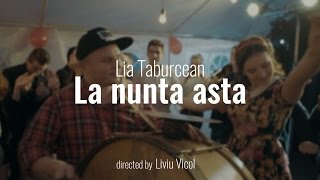
In La Nunta Asta Lia Taburcean invites us straight onto a lively Moldovan wedding dance floor. The young narrator has spent the whole morning helping out, obeying her parents and trying to keep a “good girl” image, yet the pull of the music is irresistible. Surrounded by chatter and traditional rhythms, she decides that tonight she will finally let loose, put on her beautiful dress and dance at least once in her life.
The song is a joyful rebellion against quiet corners and whispered judgments. While relatives talk over one another and nobody really listens, the singer finds freedom in movement, a sip of rakiu and the simple pleasure of living in the moment. It is a playful celebration of self-expression, reminding us that after all our hard work we deserve to step onto the floor, ignore gossip and let our souls dance.