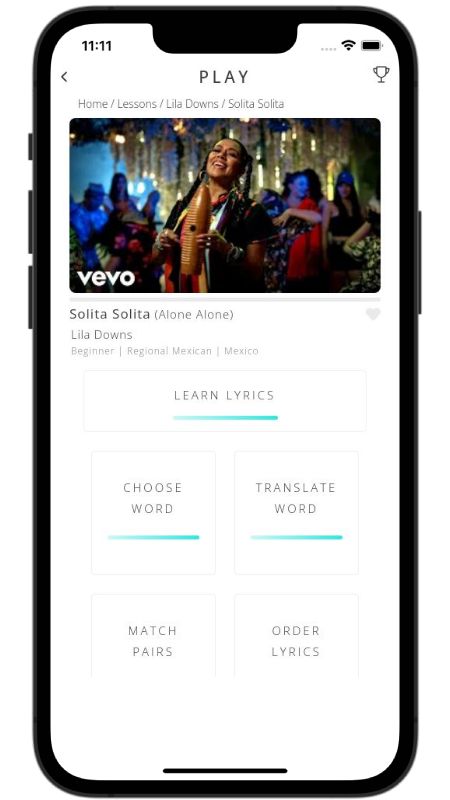
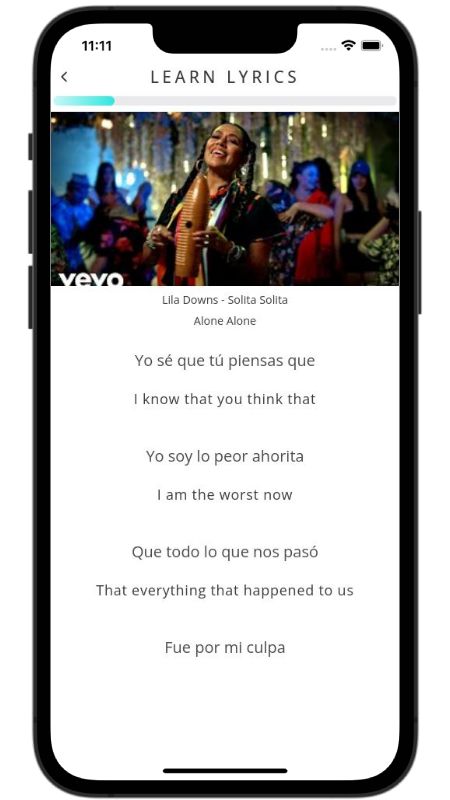
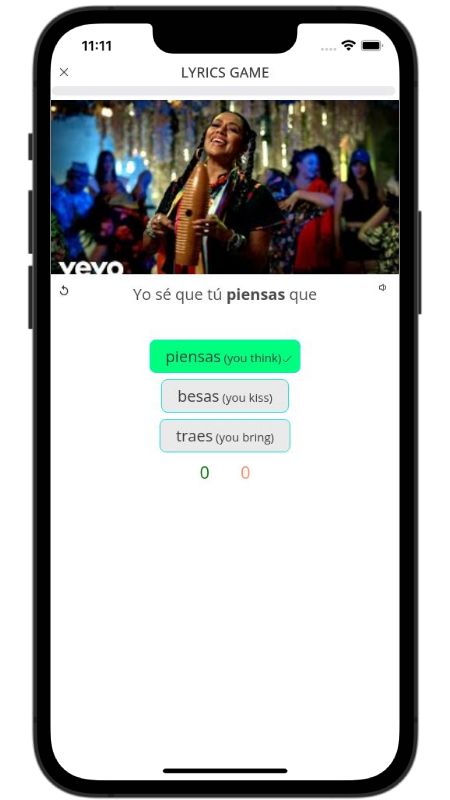
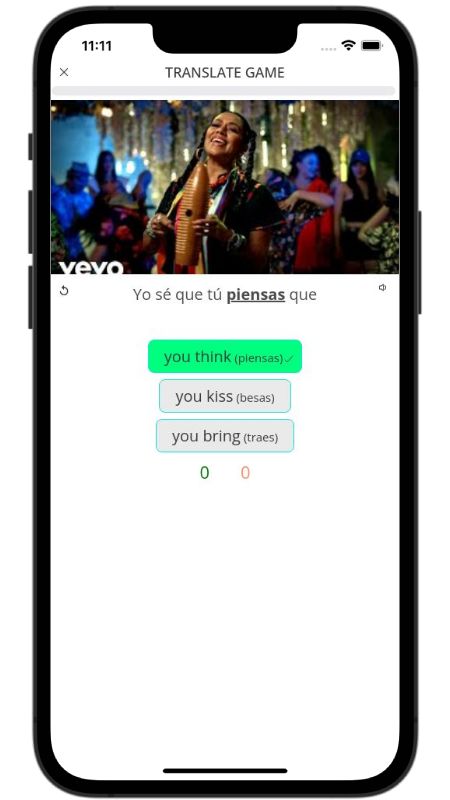
Solita Solita Lyrics in English by Lila Downs
Calladita is the diminutive form of callada, which means 'quiet'. The -ita suffix can soften a word, but in this context, it refers to the stereotype of a woman who is submissively quiet or 'seen and not heard'.
In the song, Lila Downs proudly declares, "Pero nunca calladita" (But never quiet/silenced). She embraces being alone (solita) but powerfully rejects the expectation to be meek or without a voice, making it a memorable statement of self-empowerment.
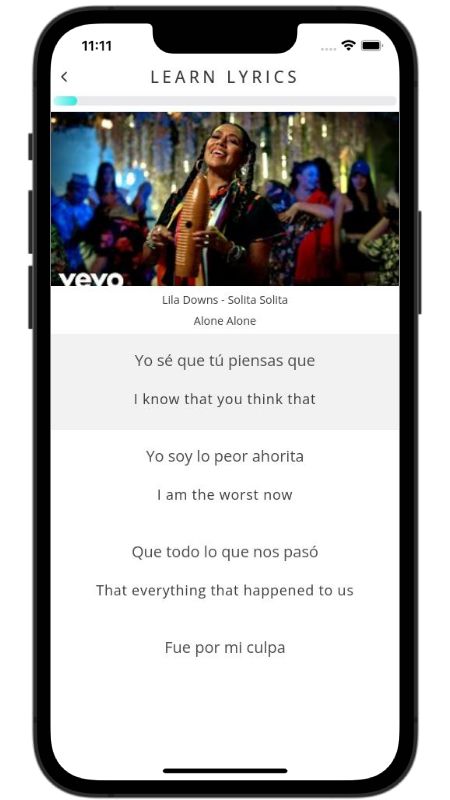
Mexican-American singer Lila Downs delivers the ultimate breakup kiss-off in "Solita Solita", and she does not waste time being polite about it. Her ex blames her for the whole fallout, claiming "todo lo que nos pasó fue por mi culpa" ("everything that happened to us was my fault"). Instead of arguing, she just packs his bags and tells him to hit the road: "Llévate tus cosas también" ("Take your things too"). She admits she is done being the person who sits around waiting for someone to change ("Ya no voy a ser la que siempre te espera" / "I am no longer going to be the one who always waits for you"). The heartbreak stops hurting the moment she redirects all those wasted romantic promises back toward herself ("Esta vez me quiero yo a mí misma" / "This time I love myself").
The chorus hits with pure joy and a bit of attitude. Lila celebrates her independence with the catchy phrase "Solita me siento bonita" ("All alone, I feel pretty"). Notice how adding -ita makes sola (alone) softer, almost like a cozy, happy solitude. But do not mistake being happy alone for being docile. She immediately drops the best line of the track: "Pero nunca calladita, no" ("But never quiet, no"). It is a sharp pushback against the tired idea that women should stay silent to keep the peace. Single, confident, and loud about it, she proves that walking away on your own terms feels fantastic.