Cómo Se Compara Lyrics in English by Luis Figueroa
Madrugadas refers to the early hours of the morning, specifically the time between midnight and sunrise. It’s a beautifully specific word that captures a unique time of day.
In the song, Luis Figueroa sings, "Mis noches con tus madrugadas" (My nights with your early mornings). He uses this phrase to paint a vivid picture of intimacy, of spending all night with a lover until the sun comes up. It’s a poetic way to describe a connection so deep that night and day blend together.
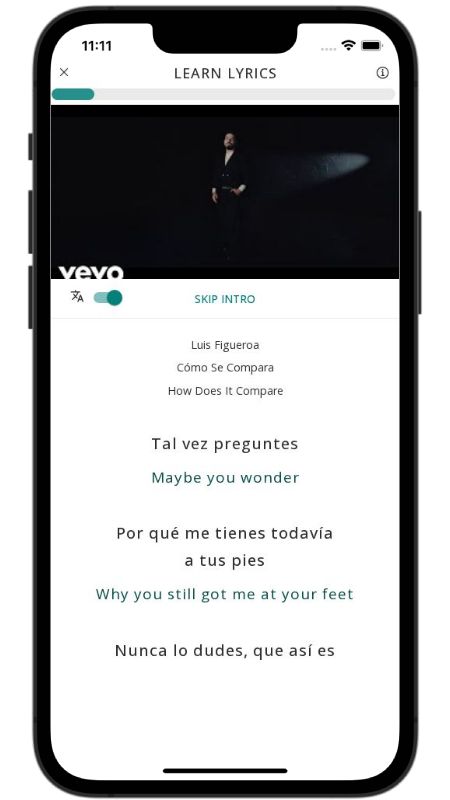
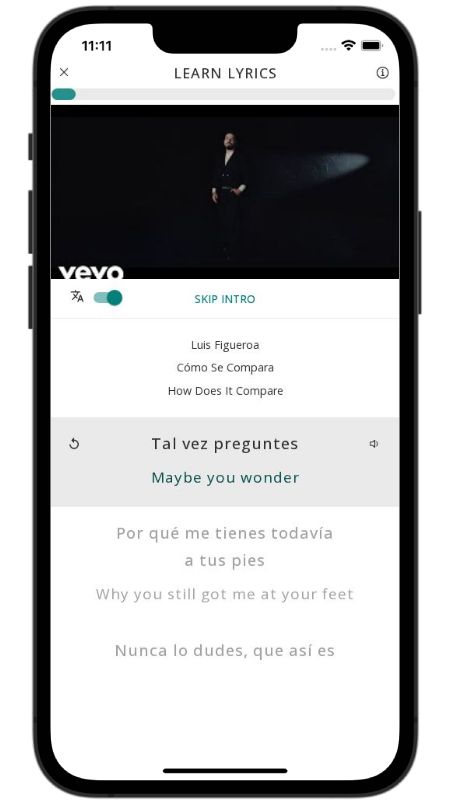
Luis Figueroa brings a fiery salsa groove in "Cómo Se Compara" that tackles the dizzy, obsessive side of being completely hooked on someone. Right from the start, he admits he is still wrapped around their finger: "Tal vez preguntes por qué me tienes todavía a tus pies" (Maybe you ask why you still have me at your feet). Even when things turn messy, confusing, and "la luna pierda el brillo" (the moon loses its shine), nothing else in the world stacks up against this person. He contrasts total opposites to prove his point, asking how anything matches "mi todo perdido en tu nada" (my everything lost in your nothing) and "lo que nos une y nos separa" (what unites us and separates us).
As the brass and percussion pick up, he describes love as an all-or-nothing deal rather than something casual: "El amor es completo, no es a la mitad" (Love is complete, not halfway). He sings about needing a cure for this love-sickness and waking up "al ladito mío" (right by my side)—where -ito is an affectionate diminutive added to lado (side) to make the image feel super close and cozy. By the time he shouts "No se asusten" (Don't be scared) over the salsa montuno, he is entirely swept up in the feeling: "Es que no hay nadie como tú, es que a ti nadie se iguala" (It's just that there is nobody like you, nobody equals you).