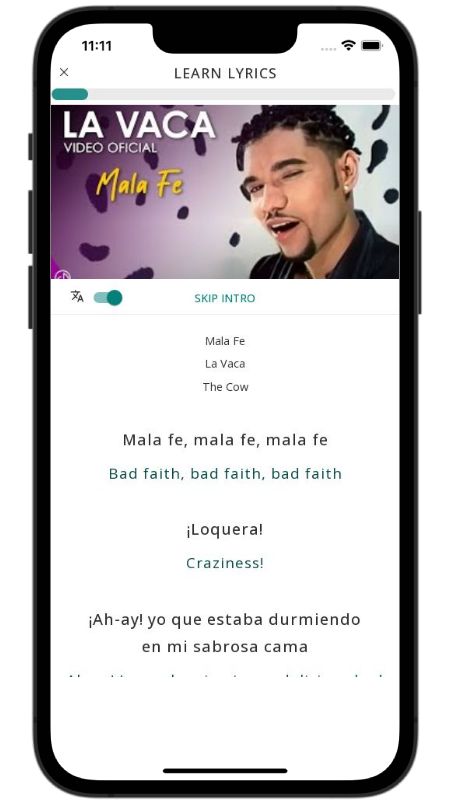
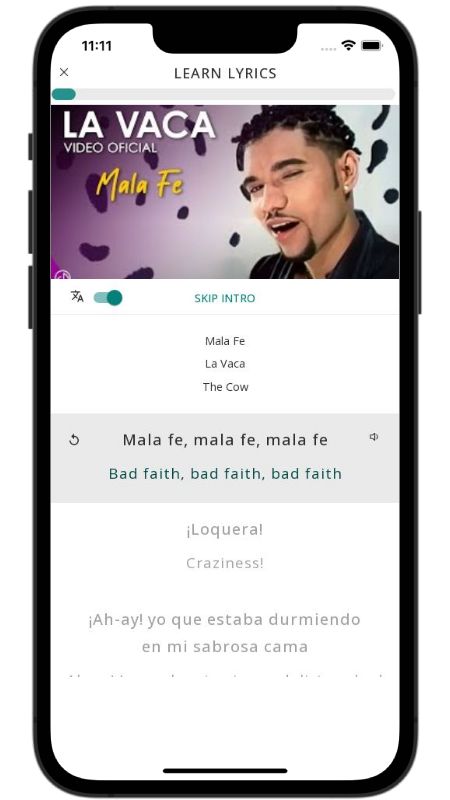
La Vaca Lyrics in English by Mala Fe
Tiguere (or tigre) literally means "tiger," but in the Dominican Republic, it's a popular slang term for a street-smart operator, a hustler, or a player.
It can be used admiringly for someone who is clever and resourceful, or negatively for a trickster or troublemaker. In "La Vaca," Mala Fe sings "To' lo' tiguere' 'e la esquina me la quieren ordeñar" (All the 'players' on the corner want to milk her), referring to the slick neighborhood guys who are all after his prized cow. It’s a perfect example of Dominican slang that adds a playful, streetwise flavor to the song.
Dominican artist Mala Fe kicks this track off by complaining that he was fast asleep in his comfortable bed when someone dragged him into the studio to record. What follows is pure, chaotic merengue party energy driven by a stubborn obsession with his prized dairy cow. He chants "Tengo una vaca lechera, una vaca de verda'" (I have a dairy cow, a real cow) and makes it clear that no amount of money can buy her. The track relies on playful call-and-response shouts of "La vaca, ¡mu!" (The cow, moo!), loud brass sections, and silly vocal imitations of saxophones ("puiri, papidodo") that turn the whole track into pure comedy.
The real joke of the song is the constant chaos this cow causes in his neighborhood. He complains, "To' lo' tiguere' 'e la esquina me la quieren ordeñar" (All the street guys on the corner want to milk her). In Dominican slang, tíguere literally means "tiger," but locals use it to describe street-smart dudes or hustlers hanging out on the block. Between those nosy neighbors, sleepless locals complaining whenever the beast gets riled up, and a neighbor's bull that won't stop chasing her, Mala Fe turns a goofy farm animal into the biggest source of block drama you will ever dance to.