Daqui Pra Sempre Lyrics in English by Manu Bahtidão, Simone
Calando comes from the verb calar, which means 'to silence' or 'to make quiet'. It's a powerful word that suggests making a definitive statement.
In the song, it's part of the triumphant phrase "Calando a boca do mundo" (literally "Silencing the world's mouth"). This idiom perfectly captures the feeling of proving all the doubters wrong about their love, showing everyone that their relationship has succeeded against all odds.
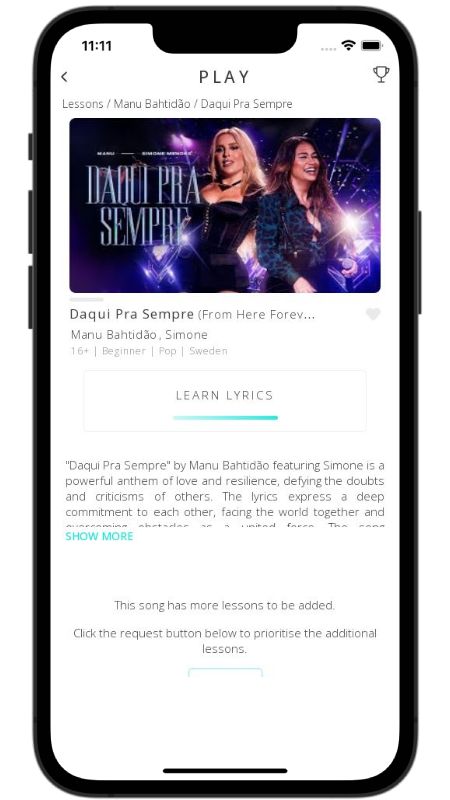
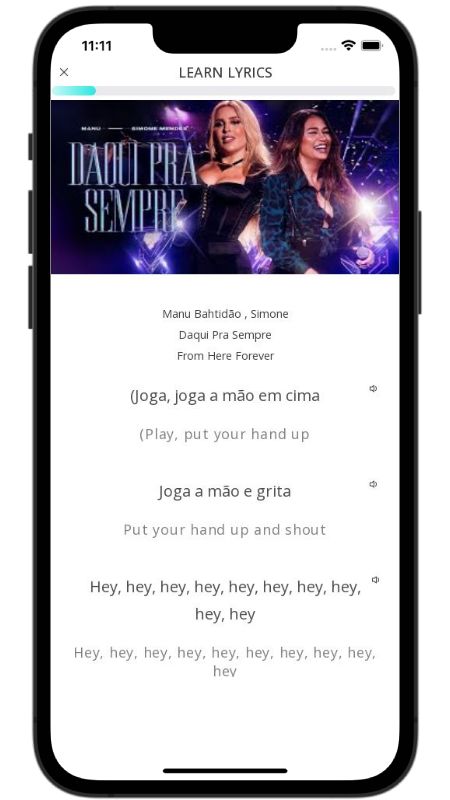
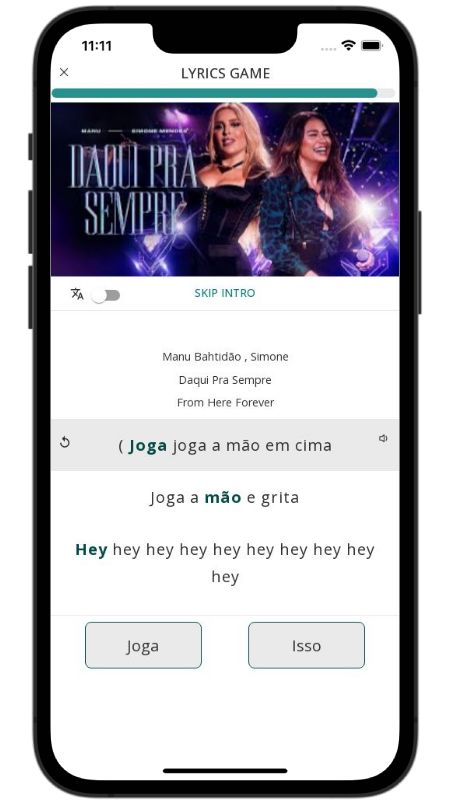
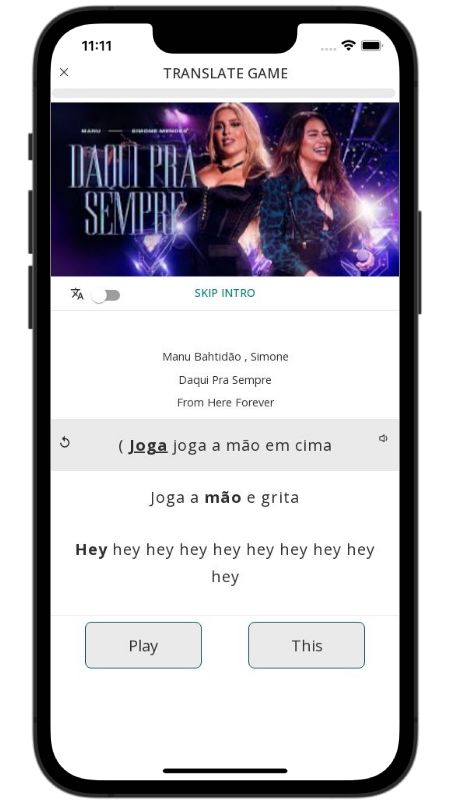
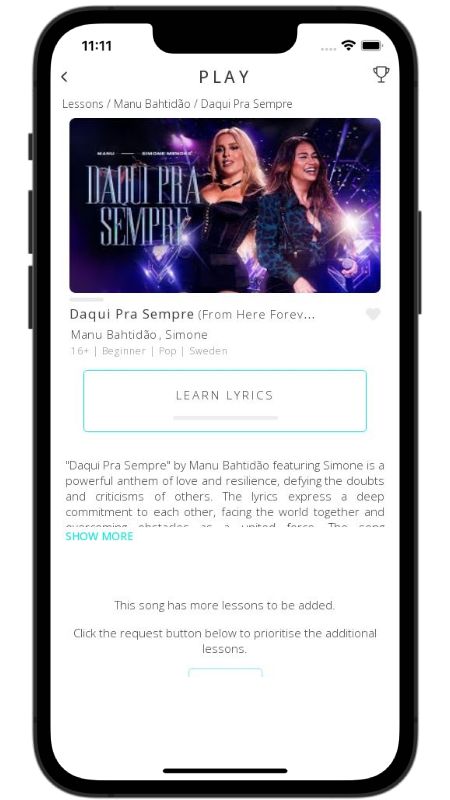
"Daqui Pra Sempre" is the ultimate "we proved everyone wrong" celebration! Manu Bahtidão teams up with sertanejo star Simone Mendes to throw a party for a love that outlasted all the neighborhood gossip. The track opens right inside a live show, hyping up the crowd in Ceará before getting into the heart of the story. Early on, people warned them that their romance wouldn't last, singing: "Todo mundo falou / Que o nosso amor / Era frágil demais" ("Everybody said / That our love / Was too fragile"). Instead of letting the critics win, the singer tuned them out completely: "Mas não ouvi ninguém / Que não quer nosso bem" ("But I didn't listen to anyone / Who didn't want what's best for us").
The real joy of the track explodes in the chorus when they take a victory lap together. Look at the blunt, satisfying phrase: "Daqui pra sempre é só eu e tu / Calando a boca do mundo" ("From now on it's just you and me / Shutting the world's mouth"). The expression "calar a boca" literally means to shut someone's mouth, so silencing an entire skeptical world feels wonderfully defiant. Rather than staying bitter about the doubters, they look around at their shared success with "E olha onde a gente chegou / Tudo que a gente conquistou" ("And look where we arrived / Everything that we conquered"). It turns surviving hardship into a high-energy dance party where loyalty gets the last laugh.