Prefiero Ser Su Amante Lyrics in English by María José
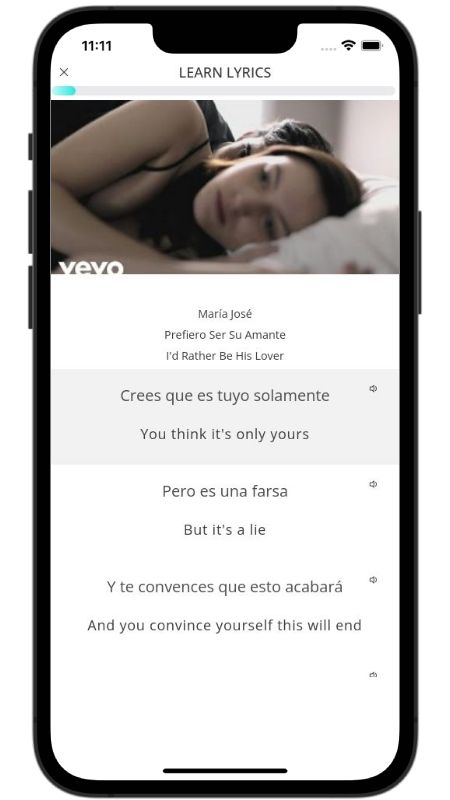
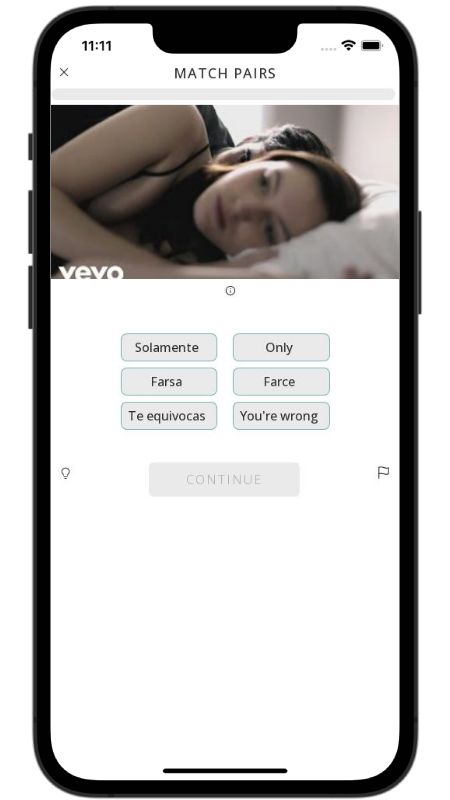
Farsa means 'farce' or 'sham'. It's a bold, theatrical word that you don't hear in every pop song.
In this context, the singer tells the other woman that her belief she owns the man is just "una farsa". The word carries a dramatic, almost scandalous tone, perfectly setting up the song's fiery love triangle. Learning it gives you a powerful way to call out something that's completely fake.
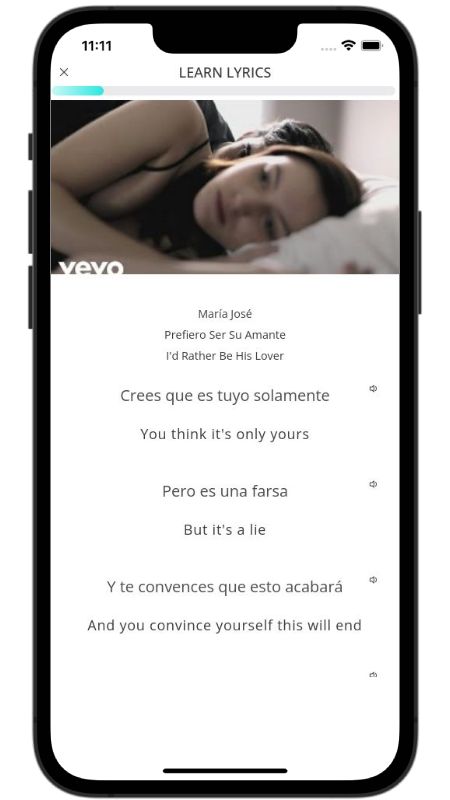
María José pulls no punches in this fierce Latin pop track. Instead of singing from the perspective of a heartbroken partner, she sings directly to the other woman, announcing without shame: "hoy entérate / Yo soy la otra" ("find out today / I am the other woman"). She tells the wife that her relationship is a farce ("es una farsa"), mocking the idea that the husband belongs to her alone. She bluntly points out that the man is tired and won't touch his partner anymore ("Que ya no toca más"), while he chases her "como un niño" ("like a child").
The real twist is the pride she takes in avoiding domestic life. Calling marriage pure boredom, she lays down the contrast: "Tú eres rutina por eso yo / Prefiero ser su amante" ("You are routine, that's why I prefer to be his lover"). To her, being the wife means being the woman he is sick of seeing, while being the lover means getting his nights, his wild obsession, and tasting his love right in the wife's own bed ("Soy la que en tu cama probó su amor"). It is cold, bold, and delightfully wicked pop drama.