M.A.I Lyrics in English by MILO J
Laberinto translates to "labyrinth" or "maze", a word rich with mythological and mysterious connotations that you don't often hear in a love song.
In this track, MILO J uses it as a powerful metaphor for a confusing or difficult past. The line "Y quemar la llave que abrió el laberinto" (And burn the key that opened the labyrinth) suggests that his love has helped him escape this complicated state, and he wants to destroy the way back, embracing a new beginning.
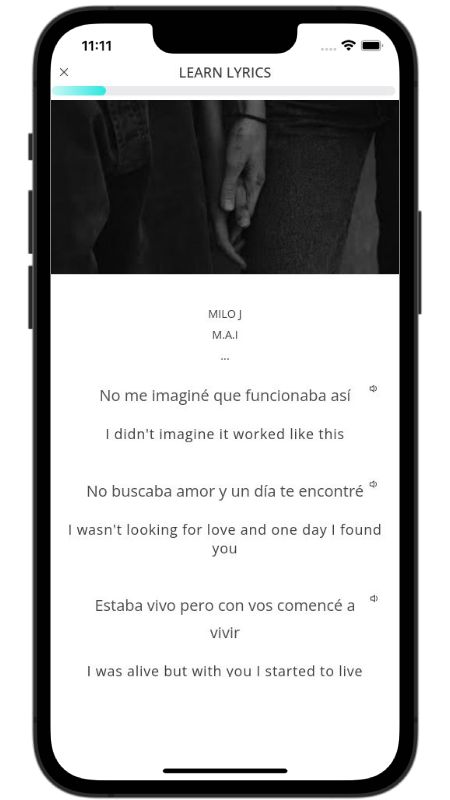
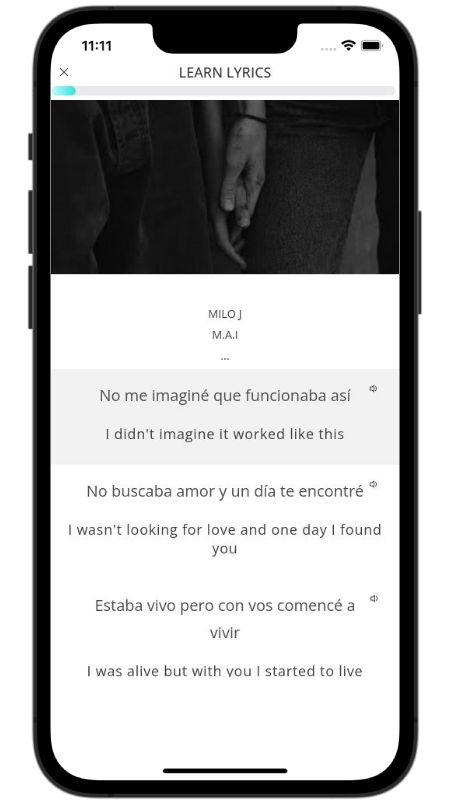
Argentine rapper MILO J takes a break from harder trap sounds to deliver an earnest, gentle confession about unexpected love in "M.A.I". He admits from the start that he was never looking for romance ("No buscaba amor y un día te encontré" [I wasn't looking for love and one day I found you]), yet meeting this person flipped his world around. Life felt dull and full of anxiety before, but having her around feels like spotting a rare comet ("Ese cometa que tuve suerte de presenciar" [That comet I was lucky enough to witness]). He even points out that while he was technically breathing, he only really started living once she arrived: "Estaba vivo pero con vos comencé a vivir".
What makes the track stick is the tender promises in the chorus. He notices that past pain left her cold and guarded ("Las lágrimas y el frío te hicieron de hielo" [Tears and the cold turned you to ice]), so he offers to put his own body on the line to keep her warm: "daré la piel pa' servir de abrigo" (I'll give my skin to serve as a coat). Note his use of "pa'", which is everyday street slang for para (in order to / for). He drops his tough pride, admits his deep fear of falling without her, and pledges to destroy any escape routes by offering to "quemar la llave que abrió el laberinto" (burn the key that opened the labyrinth). It is sweet, direct, and completely devoted.