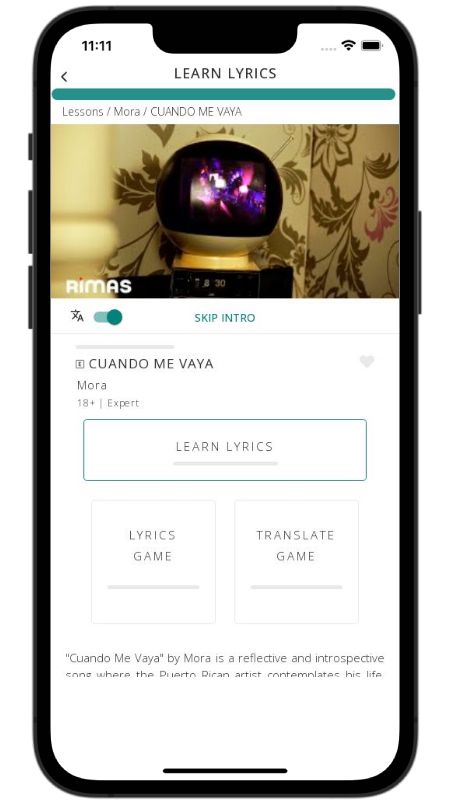
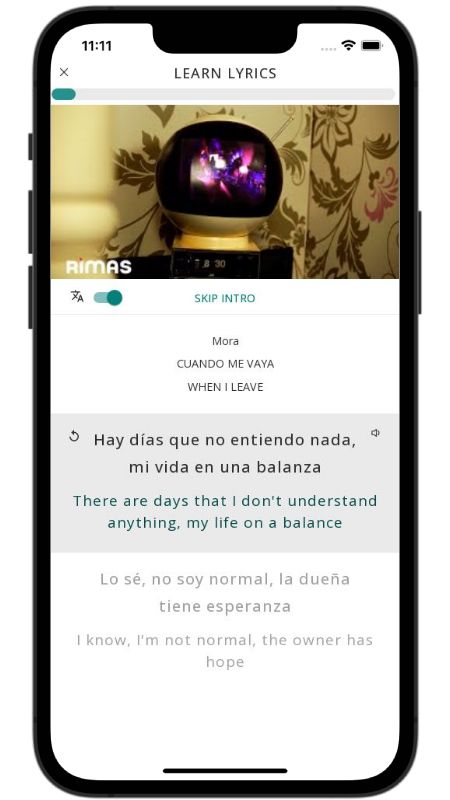
CUANDO ME VAYA Lyrics in English Mora
Cacique is a powerful word that means "chief" or "leader", historically used to refer to the leaders of indigenous tribes in Latin America and the Caribbean. It carries a sense of authority, respect, and being at the very top.
In "CUANDO ME VAYA", Mora uses this word to boast about his high status in the music industry. He raps, "me reciben... Como si llego el cacique de la tribu" (they receive me... as if the chief of the tribe has arrived), painting a vivid picture of being treated like royalty and the undisputed leader of his domain.
Ever imagined a farewell letter that throws a party instead of a pity fest? That is the vibe of Mora’s "CUANDO ME VAYA." The Puerto Rican hit-maker turns his own life into a diary-meets-victory-lap, thanking the people who held him down, flexing the trophies he has earned, and, above all, making sure his music outlives him. He wrestles with classic artist dilemmas – more money versus less peace, authenticity versus the pressure to perform – yet flips every doubt into fuel for another verse. The hook is simple: when I am gone, do not cry; just press play and keep me alive in the speakers.
Bouncing between heartfelt gratitude, turbo-charged bragging, and nostalgic flashes of singing on the beach for free, Mora paints a full-color portrait of success that still remembers its roots. He calls out copy-and-paste rappers, jokes about raising his booking fee, and boasts about parking lot supercars, but the core message stays humble: the small moments, the loved ones, and the songs themselves are the real treasure. "CUANDO ME VAYA" is equal parts confession and celebration – a reminder that legacy is louder than loss, and rhythm is the best way to time-stamp a life.