Wenn Das Liebe Ist Lyrics in English by Nina Chuba
Blendend literally means "blinding" or "dazzling". In everyday German, it's used colloquially to express that someone is doing "splendidly" or "brilliantly".
When Nina Chuba sings, "Ohne dich geht es mir blendend" (Without you, I'm doing splendidly), she's making a powerful statement of independence. She's not just okay after a breakup; she's thriving so much that her happiness is almost blindingly bright. It's an expressive and memorable word that perfectly captures the song's confident, empowering energy.
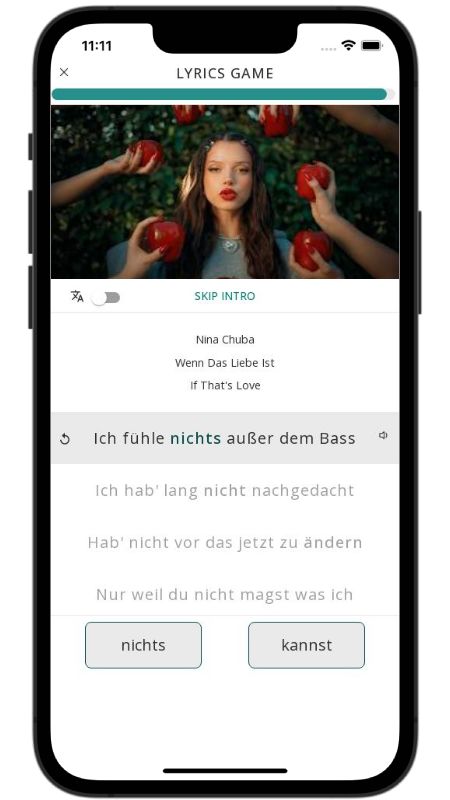
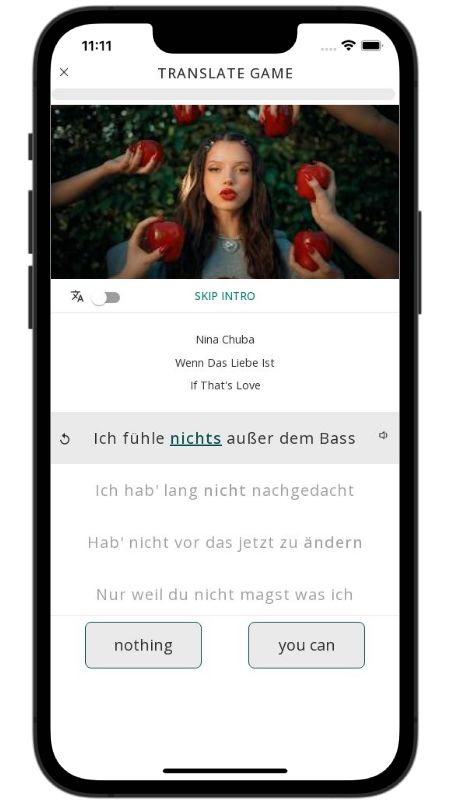
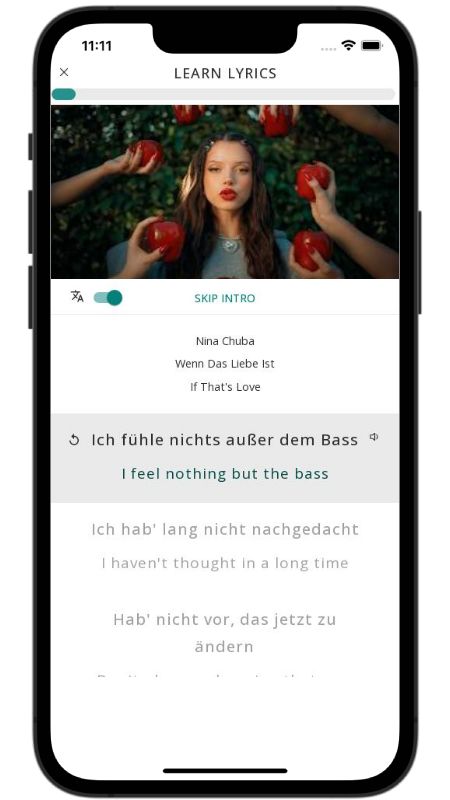
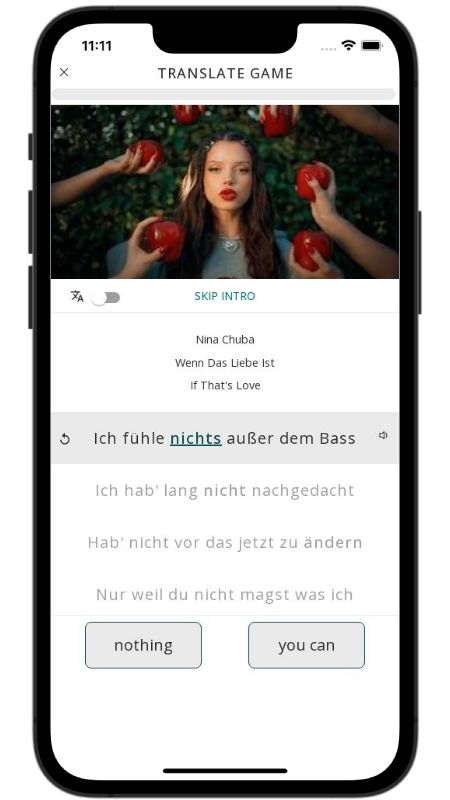
German pop star Nina Chuba brings pure, loud club defiance to "Wenn Das Liebe Ist" (If this is love). Instead of sitting at home moping over a breakup, she is on the dancefloor feeling nothing but the heavy bass. Her ex cannot handle who she is, getting pale over a revealing outfit ("'N bisschen Haut und du wirst blass" [a bit of skin and you turn pale]) and judging her for being too loud and wild. Nina refuses to bend herself to fit into his box. Instead of crying, she laughs it off because she looks entirely too good to waste tears on him: "Und um 'ne Träne zu vergießen / Seh' ich viel zu gut aus" (And to shed a tear, I look way too good).
She uses a great German idiom when she demands honesty: "Komm, schenk mir endlich rein'n Wein ein" (Come on, finally pour me pure wine). In German, pouring pure wine means telling someone the plain, unfiltered truth without sugarcoating it. But even as she asks for his honesty, she immediately dismisses the drama by adding that she will just drink that wine outside the door. Her verdict on the whole stifling relationship is simple: if love means being controlled and judged, she screams into the night that she wants no part of it.