La Pluie Lyrics in English by OrelSan, Stromae
Rouiller literally means "to rust". It's a fantastic example of a word used metaphorically to create a powerful image.
In the song, OrelSan says, "Si j'suis parti, c'est parce que j'avais peur de rouiller" (If I left, it's because I was afraid of rusting). He's not talking about metal, but about himself—feeling stuck, stagnant, and slowly decaying in his rainy, unchanging hometown. It perfectly captures the feeling of needing to escape to avoid losing your shine.
Picture this: you are stuck in the back of a minivan listening to classic French singer Julien Clerc, staring out at gray skies, while your brain rhythms words to the squeak of windshield wipers. That is the exact childhood French rapper OrelSan describes in "La Pluie". Teaming up with Belgian star Stromae, he looks back at growing up in Normandy, a corner of France where it only stays sunny for about forty days a year ("y'a du soleil quarante jours par an"). Instead of whining about it, he turns the gloomy drizzle into an ode to his roots, declaring over the bouncy beat: "Toujours autant d'pluie chez moi, mais il fait quand même beau" ("Still as much rain where I live, but it's still beautiful").
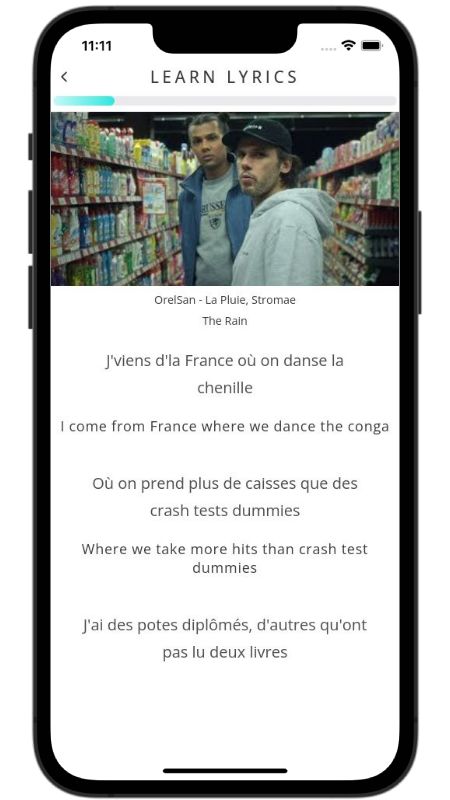
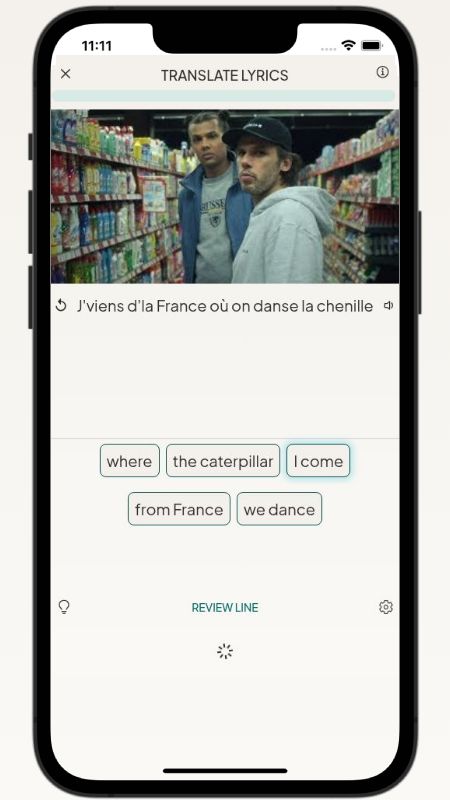
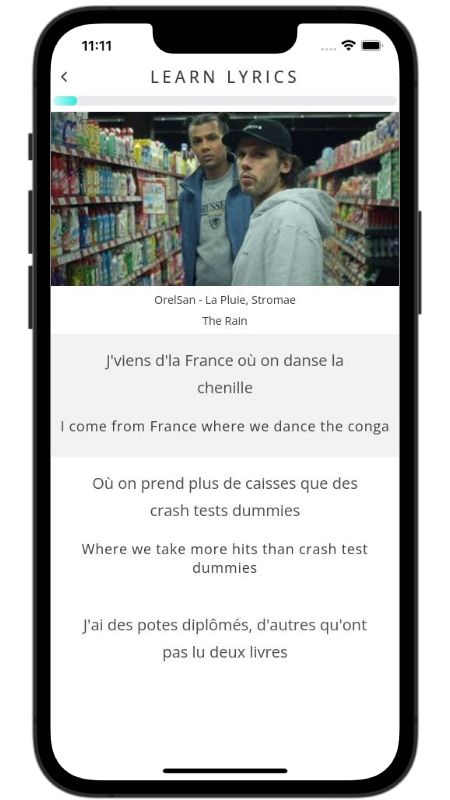
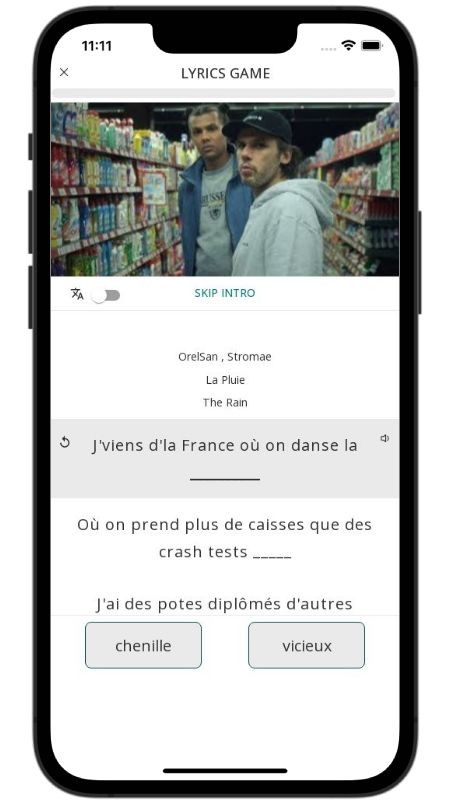
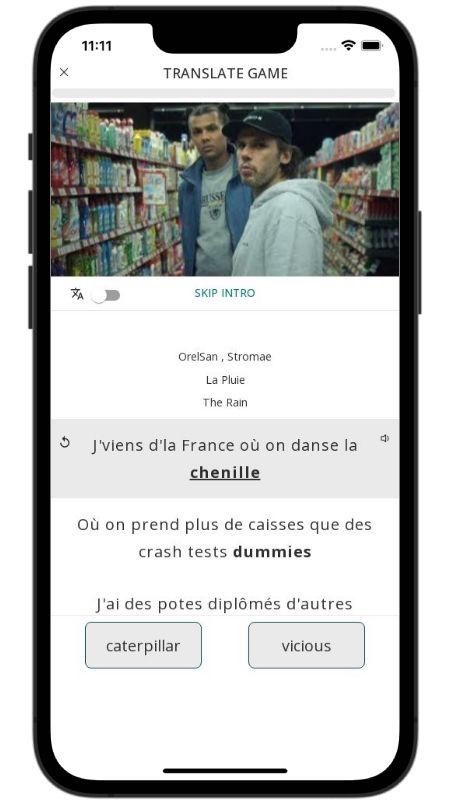
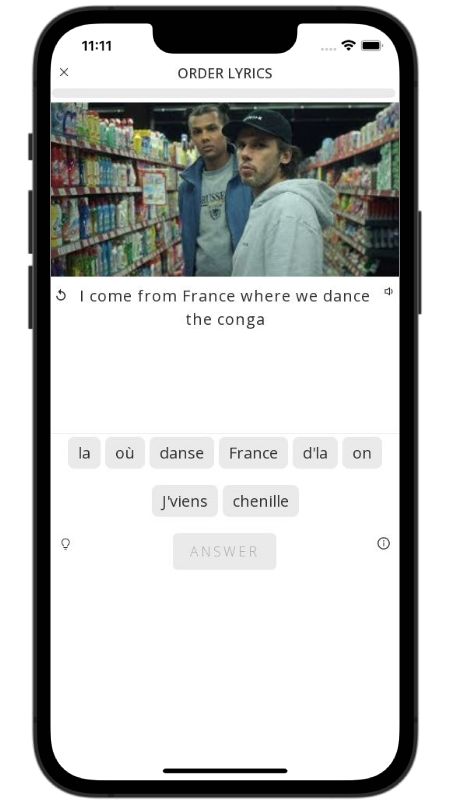
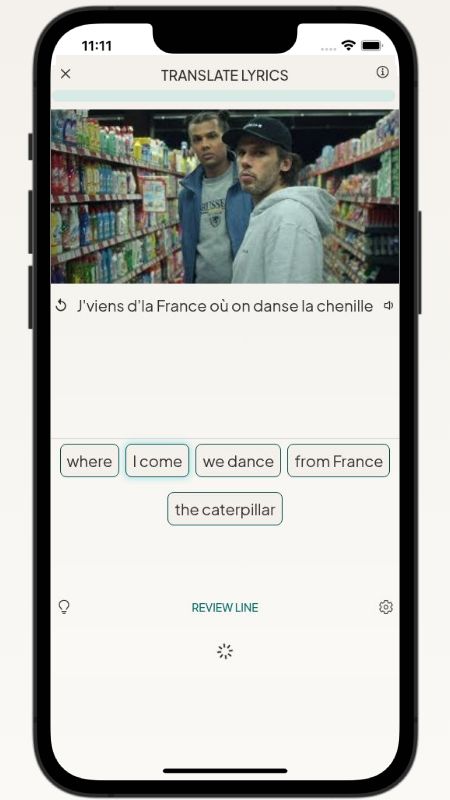
OrelSan packs his verses with dry, funny details of everyday French middle-class life ("la classe moyenne, moyennement classe"). He talks about drunken parties where folks do the conga line ("la chenille"), village gossip, and drinking herbal tea while unemployed. He even uses the harsh street slang "prendre des caisses" to mean binge drinking until you crash like crash-test dummies. He admits he fled his hometown because he was terrified he would "rust" ("peur de rouiller") from staying still in the dampness. Yet, after spending his youth praying for downpours to stop so he could skate, he ends up missing the exact smell of wet concrete. It turns out the very weather you hated as a kid can end up feeling like home.