És Tu Lyrics in English by Paulo Sousa
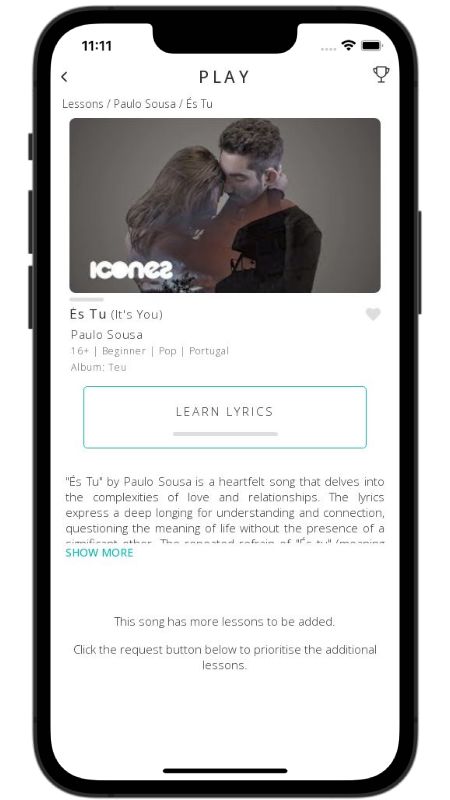
Alma is the beautiful Portuguese word for "soul". It's a deeply poetic term that adds a layer of emotional weight to this heartfelt ballad.
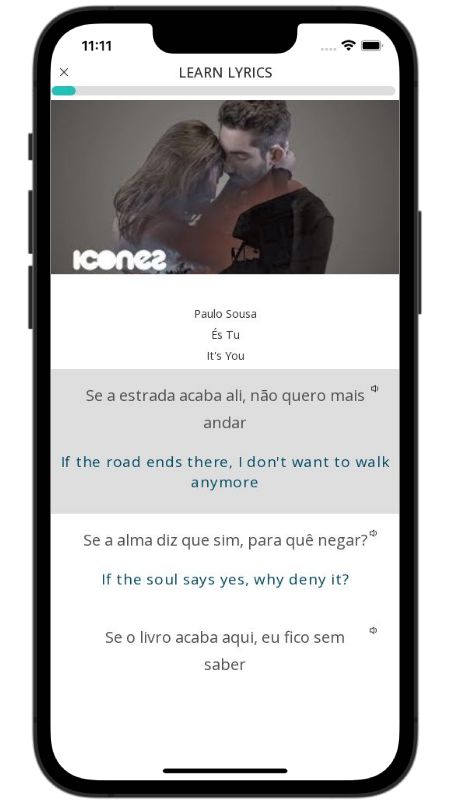
In the song, Paulo Sousa sings, "Se a alma diz que sim, para quê negar?" (If the soul says yes, why deny it?). He uses alma to represent an undeniable, core feeling, suggesting that when your very essence tells you something is true, you shouldn't fight it.
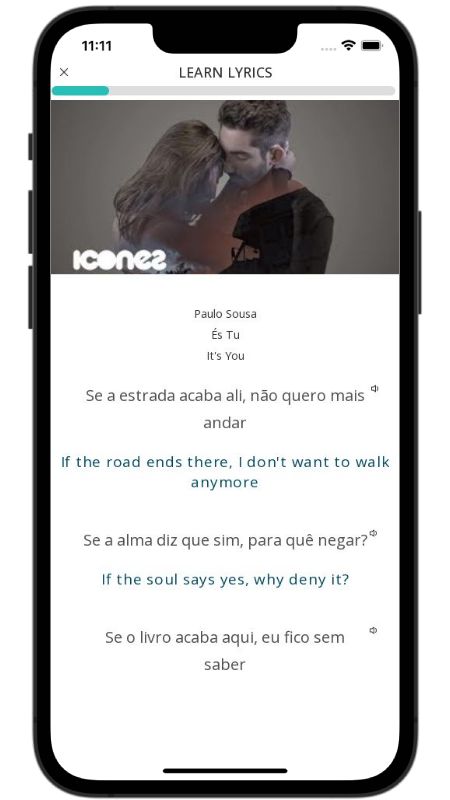
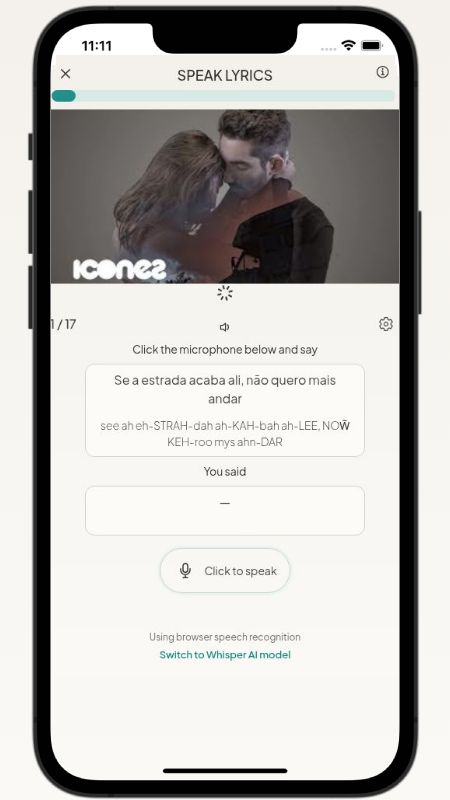
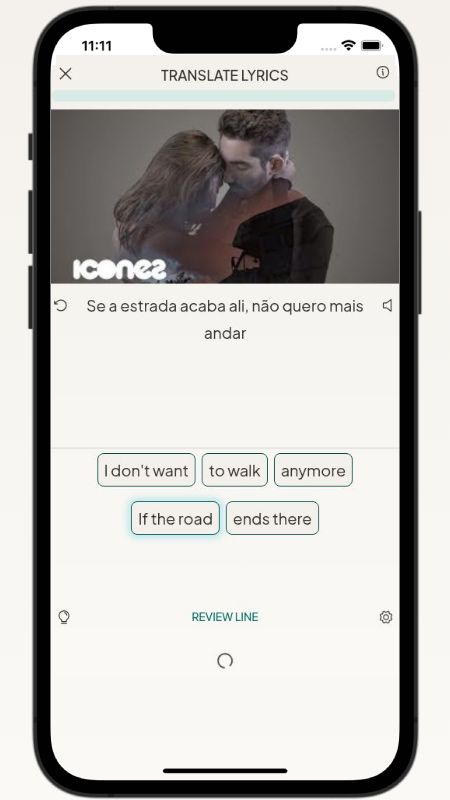
Portuguese pop singer Paulo Sousa goes all in on romantic drama here, and honestly, the sheer intensity is what makes it fun. Right from the opening lines, he refuses to take halfway measures: "Se a estrada acaba ali, não quero mais andar" ("If the road ends there, I don't want to walk anymore") and "Se a flor morrer assim, não quero respirar" ("If the flower dies like this, I don't want to breathe"). It is completely over-the-top, but that total devotion sets up his central crisis. He sees his whole universe orbiting this person, asking "Se o meu mundo gira em ti, como vou viver?" ("If my world revolves around you, how am I going to live?").
The real punch of the track comes in the chorus with a sharp piece of advice: "Não deixes o mundo / De quem amas por quem gostas" ("Don't leave the world of the one you love for someone you just like"). In Portuguese, the difference between amar (to love deeply) and gostar (to merely like or fancy someone) is huge. Paulo warns against tossing away real love for a passing crush or temporary attraction. Whatever doubts linger, he insists on clearing the air without leaving questions hanging, because in his eyes, there is only one real solution to the confusion: "E a resposta és tu" ("And the answer is you").