Por Mujeres Como Tú Lyrics in English by Pepe Aguilar
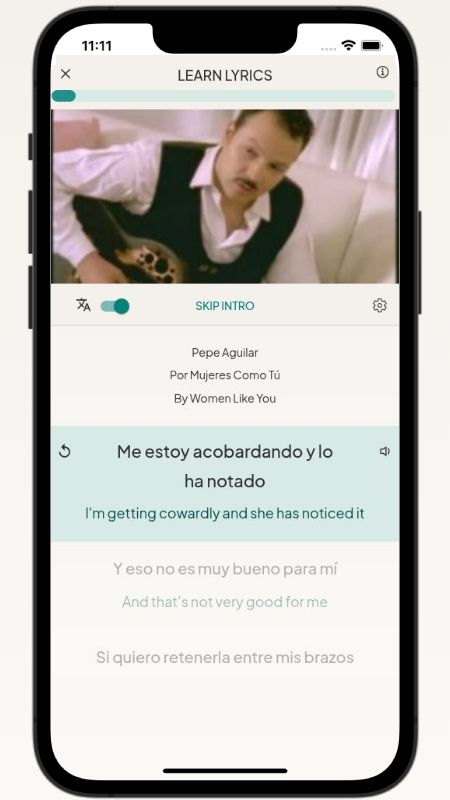
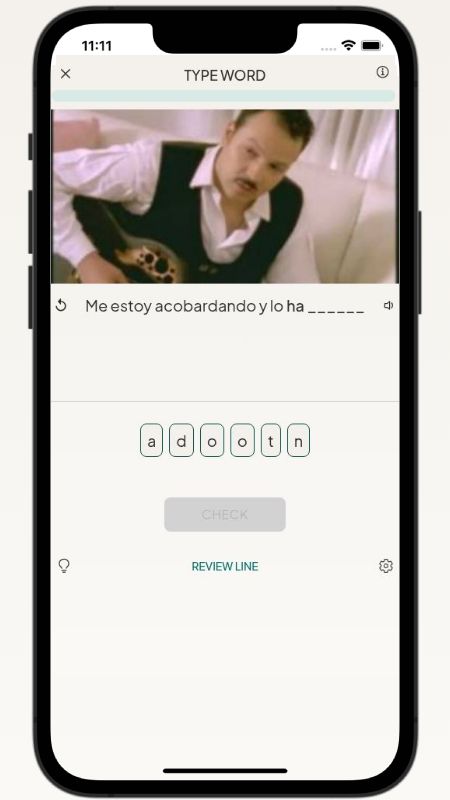
Acobardando is the present participle of the verb acobardarse, meaning "to get scared," "to lose one's nerve," or more colloquially, "to get cold feet."
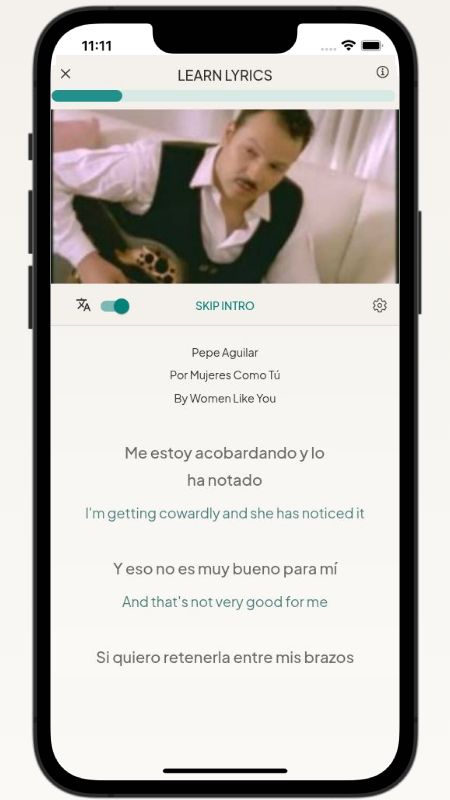
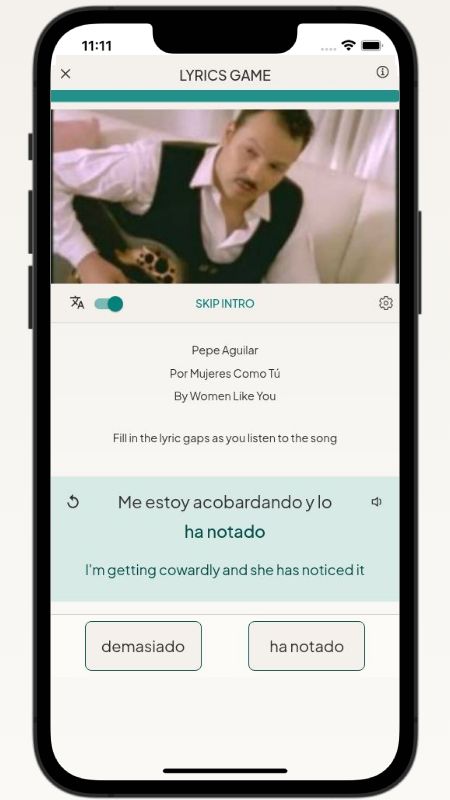
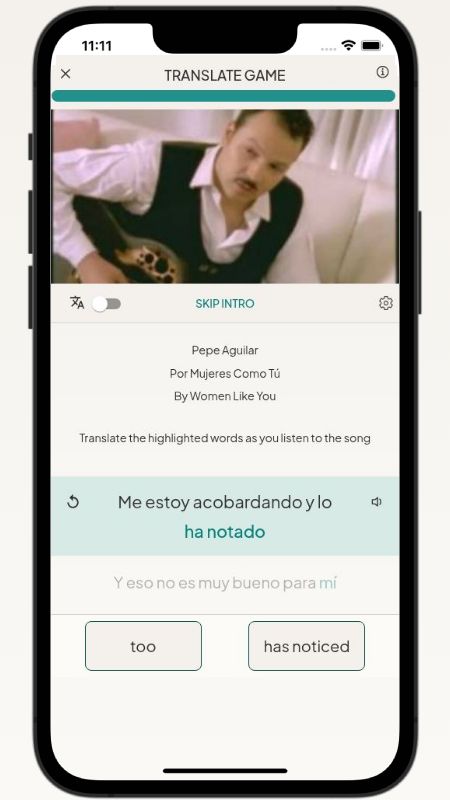
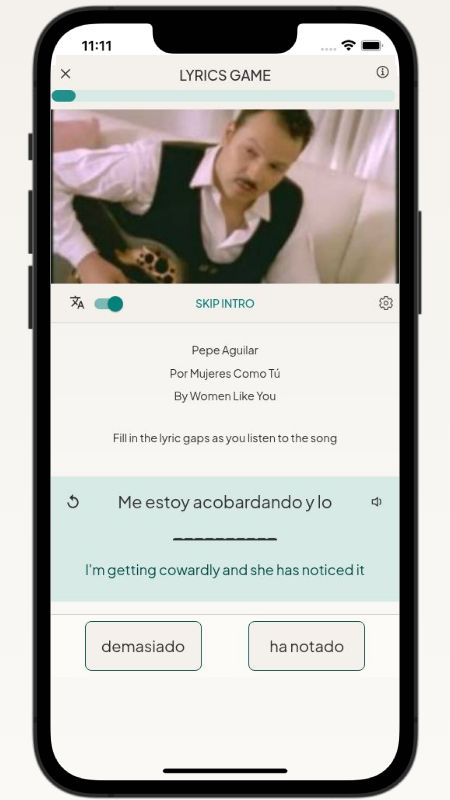
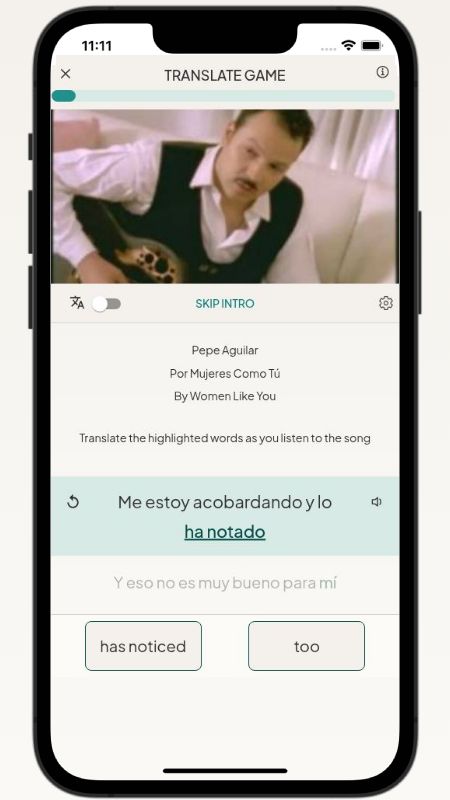
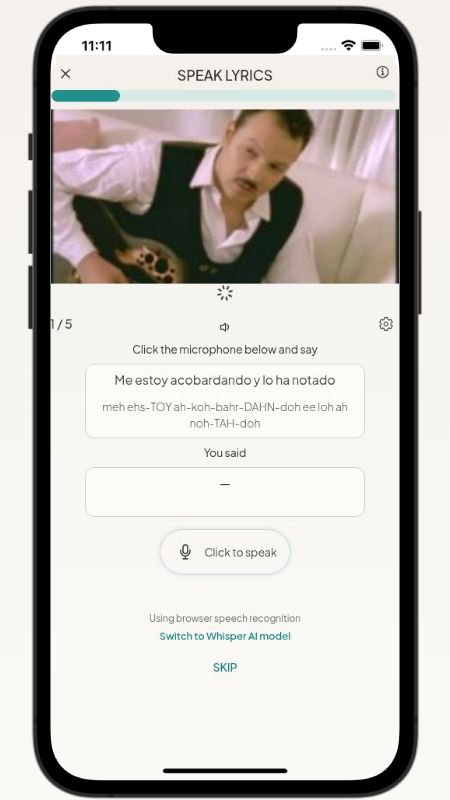
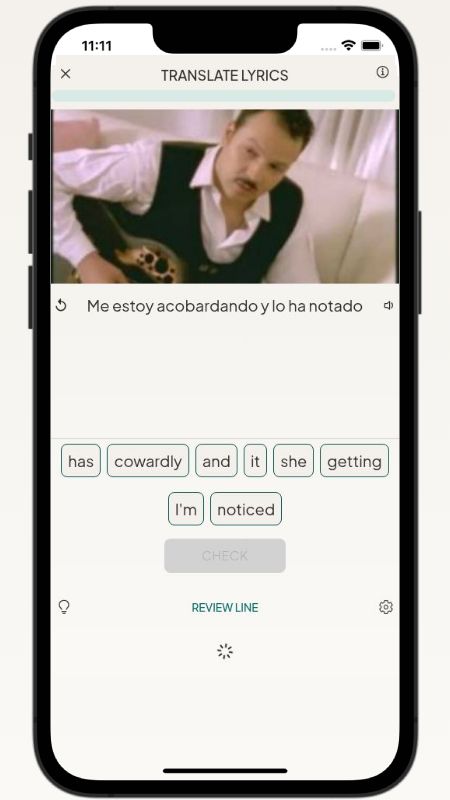
In the song's opening line, "Me estoy acobardando y lo ha notado" (I'm getting cowardly and she has noticed), the singer expresses a deep vulnerability. This single, powerful word perfectly captures his fear of losing his love because he's too scared to act, setting a poignant tone for this classic mariachi ballad.
Pepe Aguilar knows he is losing his cool, and he admits it right off the bat with "Me estoy acobardando y lo ha notado" ("I am losing my nerve and she has noticed"). In this classic piece of Regional Mexican drama, he feels stuck in a loop of personal letdowns—literally singing "Estoy estacionado en los fracasos" ("I am parked in failures"), as if disappointment were a permanent parking spot. His biggest flaw? He gives way too much love ("siempre he dado demasiado") and ends up paying the price every single time.
Instead of walking away quietly, he frames his suffering like an honorable disaster. The chorus brings the real melodramatic punch: "Por mujeres como tú, amor, hay hombres como yo que se pueden morir por dignidad, mordiendo el corazón" ("Because of women like you, love, there are men like me who can die for dignity, biting their own hearts"). That idiom about "biting your heart" shows someone forcing themselves to swallow their pain just to save face. And if pride fails, he admits the backup plan is simply drowning his sorrows: "Que se pueden perder en el alcohol por una decepción" ("Who can lose themselves in alcohol over a disappointment"). It is blunt, dramatic, and totally unapologetic about how messy a bad breakup feels.