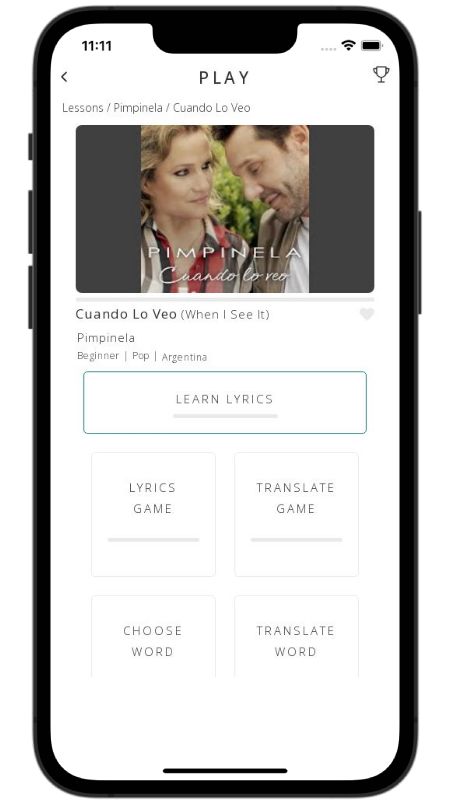
Cuando Lo Veo Lyrics in English by Pimpinela
Apodera comes from the verb apoderarse, which means 'to take possession of' or 'to seize'. It's a much more dramatic and powerful word than simply 'to take', deriving from the word poder (power).
In this passionate song, the singer describes how seeing her lover makes her feel: "Se apodera de mi cuerpo, de mi alma y mi cabeza" (He takes over my body, my soul, and my head). She's describing a total surrender, a feeling so strong it seizes complete control of her being, making this a very memorable and intense word to learn.
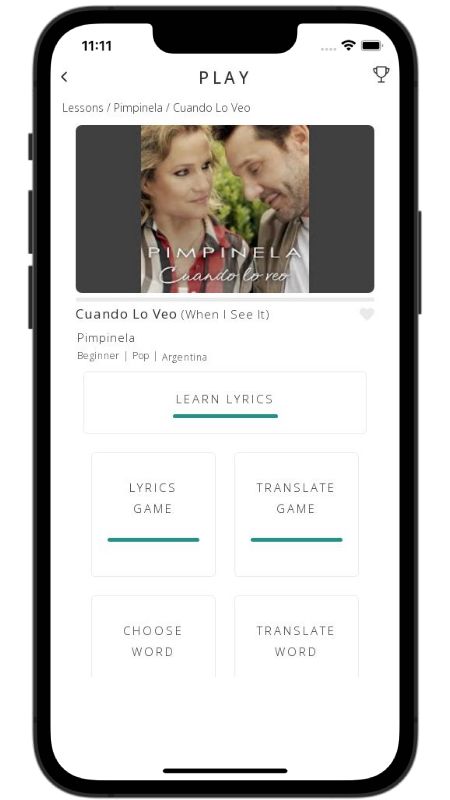
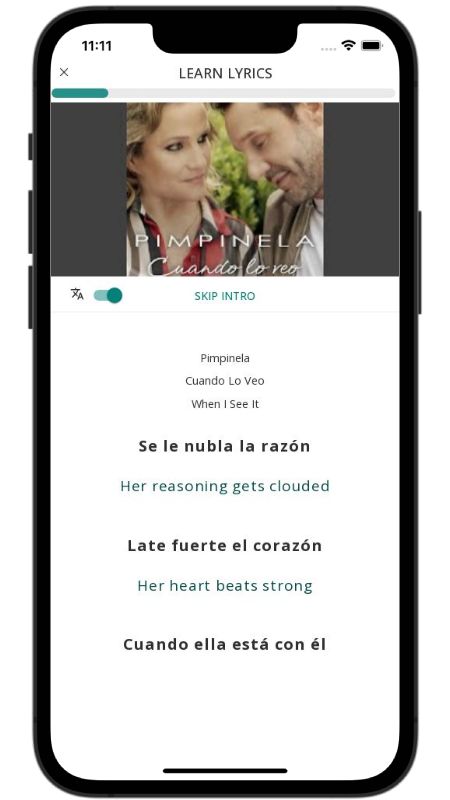
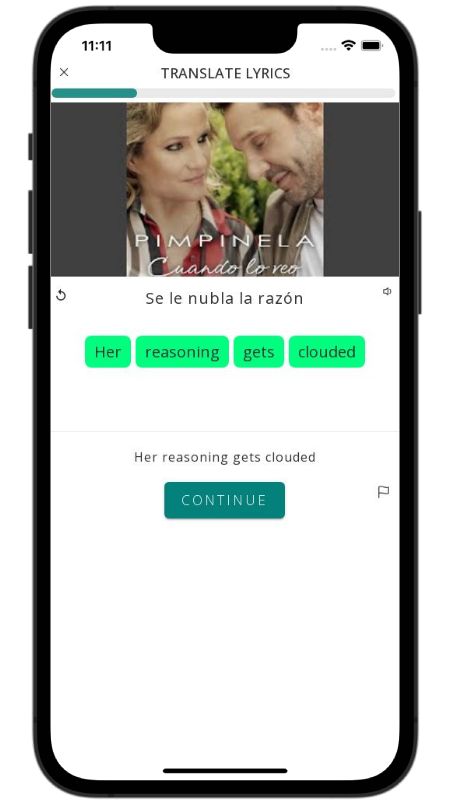
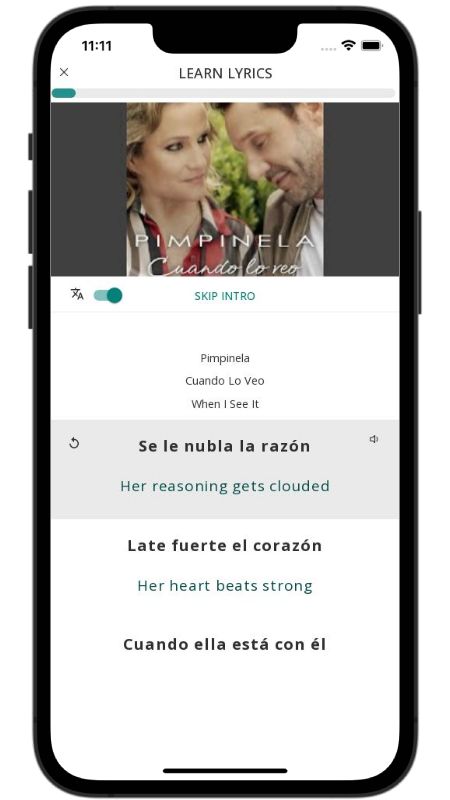
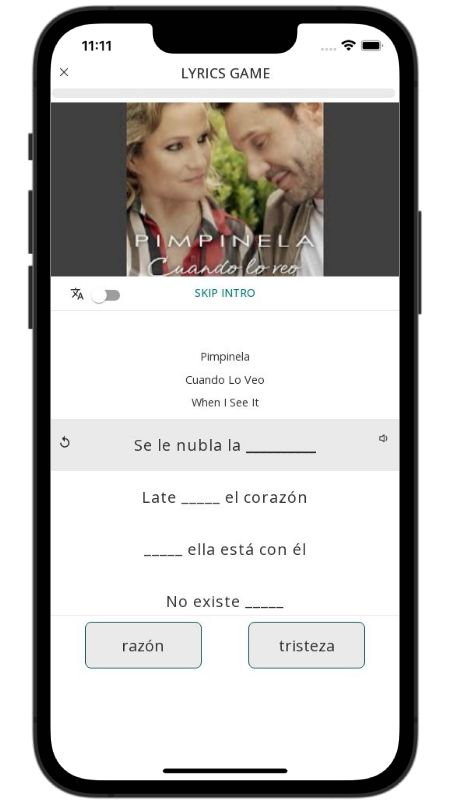
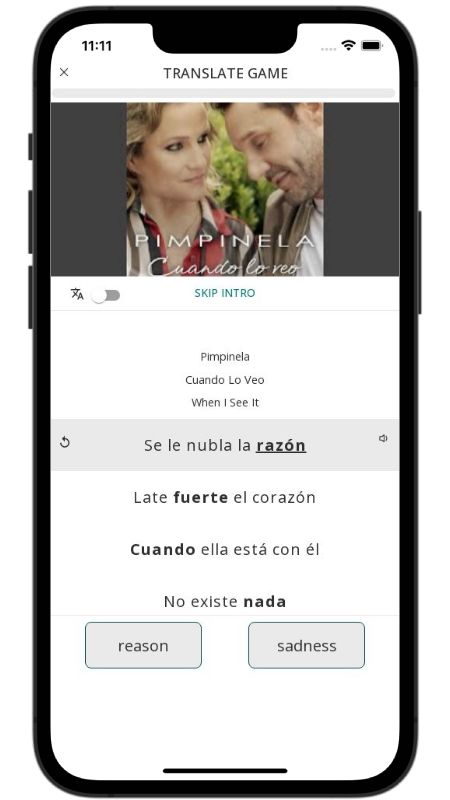
Argentina's famous duo Pimpinela drops us straight into a secret, swept-away romance in "Cuando Lo Veo". The woman in the song is caught up in an intense whirlwind with a younger partner. When she is with him, her logic totally shuts down: "Se le nubla la razón" [Her reason clouds over] and "no existe nada" [nothing else exists]. The track does not hide the elephant in the room either. There is a real age difference and a complicated double life at play. She points directly to his "ternura y juventud" [tenderness and youth], yet admits that "en su vida hay alguien más" [in her life there is someone else]. Even with a ticking clock on the fling, she chooses to ride it out anyway: "Vivirá hasta el final / Su cuento de hadas" [She will live her fairy tale until the very end].
What makes this track pop is the complete burst of adrenaline in the chorus. The phrase "Cuando lo veo" [When I see him] kicks off a wave of defiance where she forgets everyone around her and admits, "Tiene ganas de todo" [She feels up for anything / She craves everything]. Then comes a wonderfully blunt wish: "Y con veinte años menos / Sé que yo me atrevería" [And with twenty years less, I know I would dare]. It is messy, electric, and completely honest about wanting to turn back the clock just to dive into trouble with both feet.