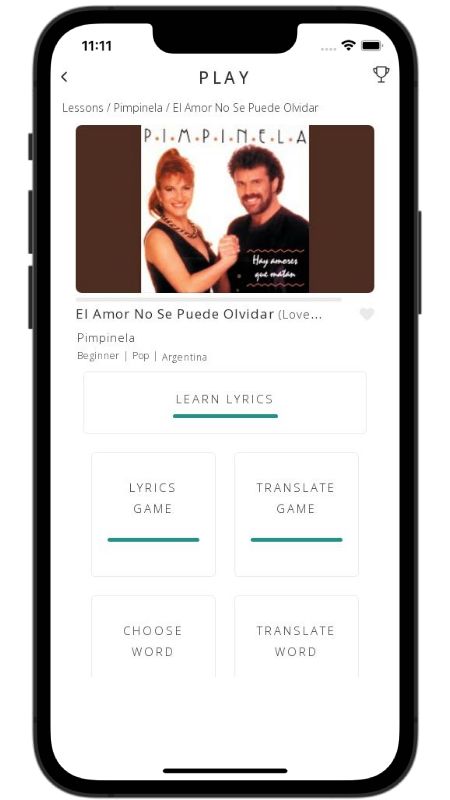
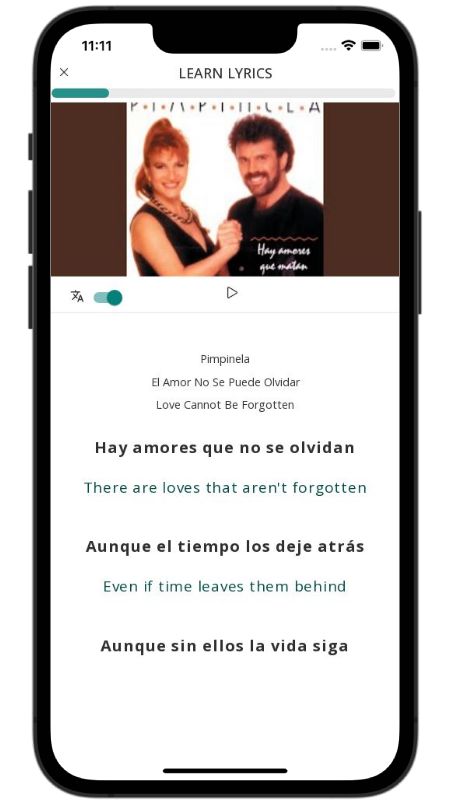
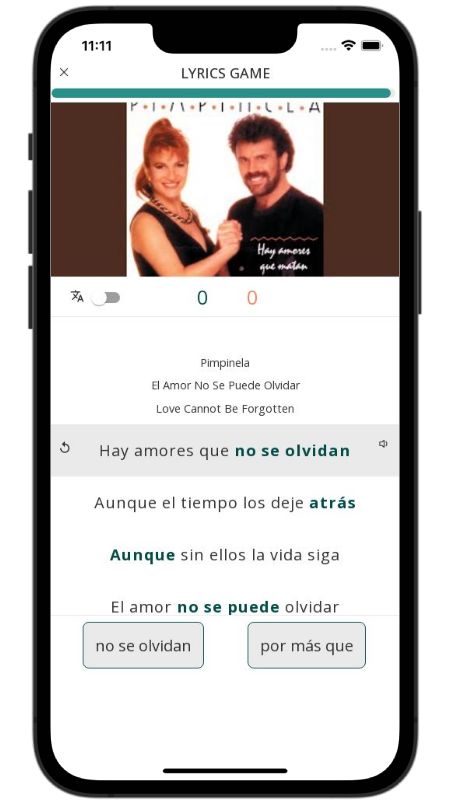
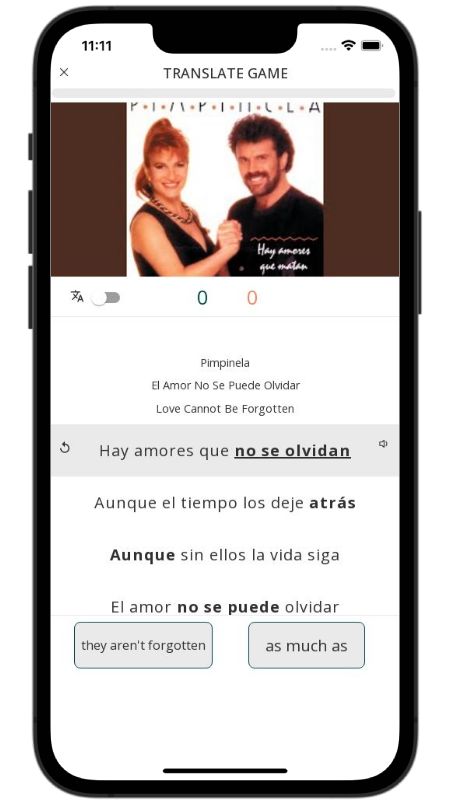
El Amor No Se Puede Olvidar Lyrics in English by Pimpinela
Júrame is the command 'Swear to me'. It combines the verb jurar (to swear) with the pronoun me, a common structure in Spanish for giving direct orders.
This single word packs a huge emotional punch. In the song, it's a child's desperate plea to their father, "Júrame que no morirás" (Swear to me you won't die), capturing a universal fear of loss and the deep desire for reassurance from a loved one. It's a powerful and poignant example of how Spanish can convey complex emotions so concisely.
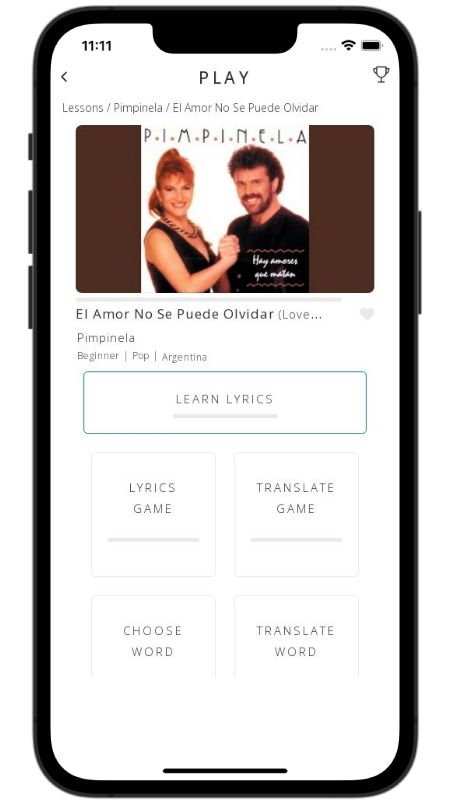
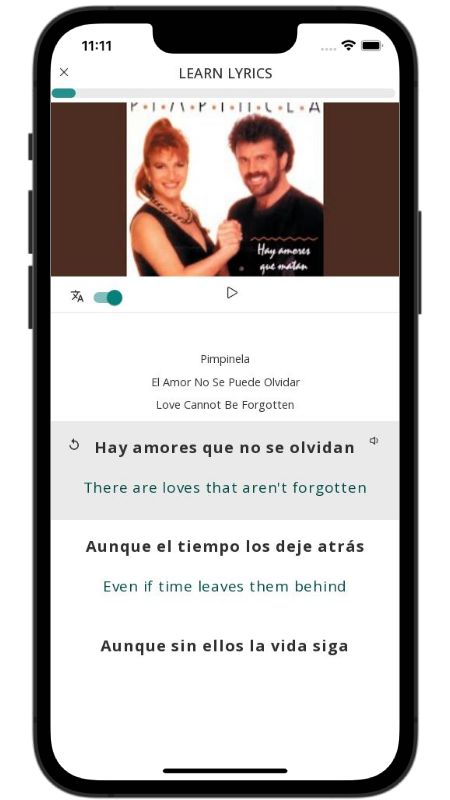
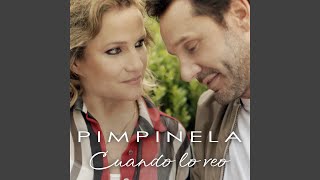
Argentina's favorite dramatic duo Pimpinela cuts straight to the bone in "El Amor No Se Puede Olvidar". Instead of their usual fiery shouting matches, this pop track tackles something quieter: the way real love clings to your memory no matter how much time passes. They start with an awkward encounter between ex-lovers: "Hoy de nuevo nos encontramos / Y aunque ya nada es igual" ("Today we meet again / And although nothing is the same anymore"). Nothing is the same, yet when they part, both secretly know that "El amor si fue amor de verdad / El amor no se puede olvidar" ("Love, if it was true love / Love cannot be forgotten"). Life goes on without these people, but the imprint stays put.
Then the song pulls a sudden turn from romance into family grief, and it hits hard. One singer recalls begging their father, "Júrame que no morirás" ("Swear to me that you won't die"), only for him to answer: "Yo estaré a tu lado toda la vida" ("I will be by your side all my life"). It widens the scope completely. By the time the chorus belts out "Todos tenemos a alguien por quien llorar" ("We all have someone to cry for"), the track stops being about an old flame and turns into a shared confession about everyone we have lost: "Por más que ya no estén / Aunque no vuelvan más" ("Even if they are no longer here / Even if they never return"). It is blunt, sincere, and practically impossible not to sing along to.