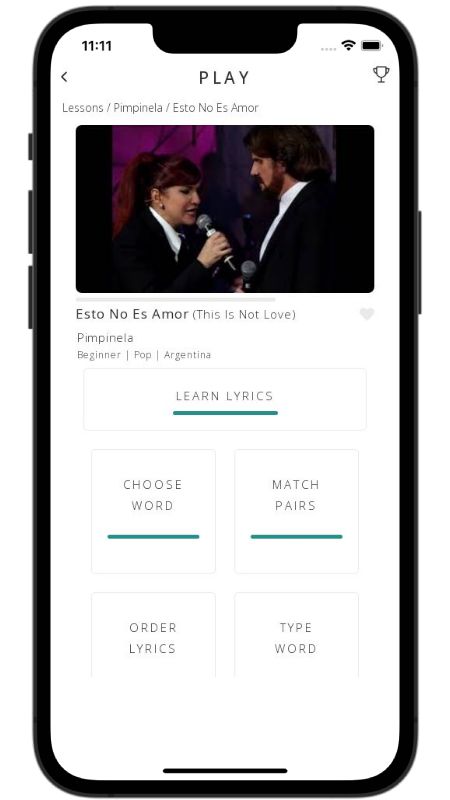
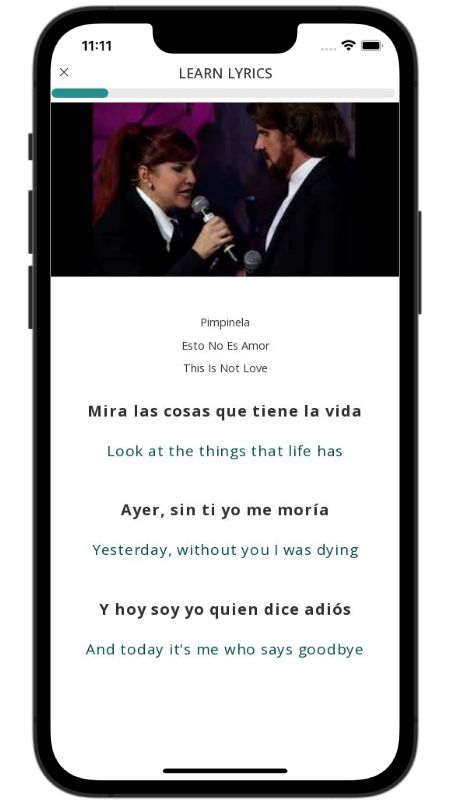
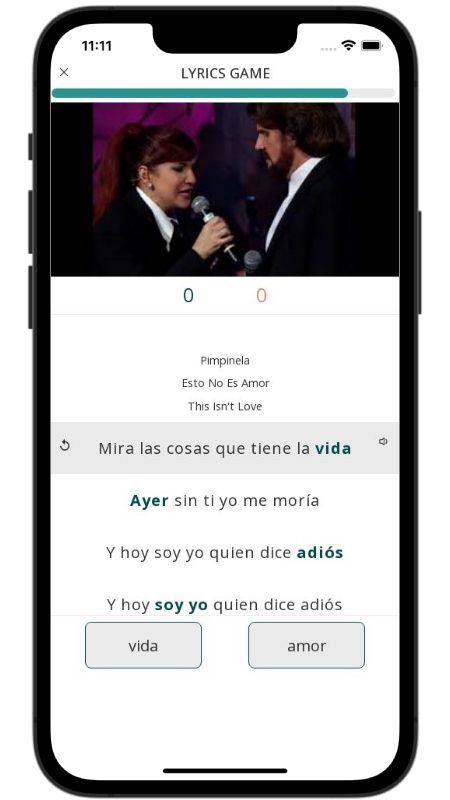
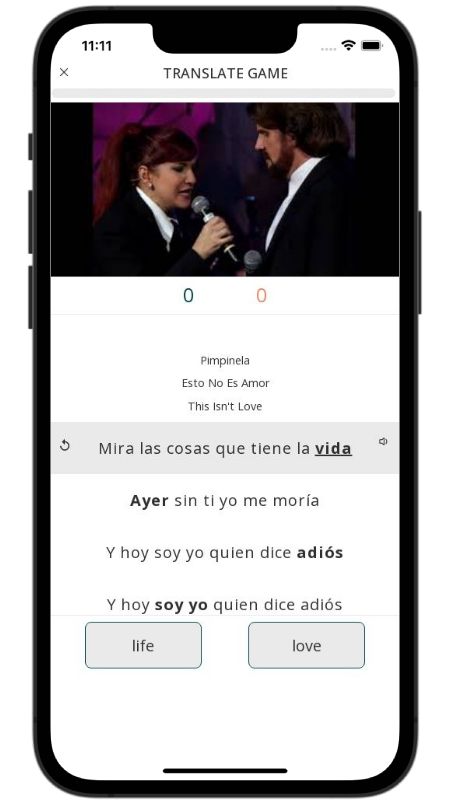
Esto No Es Amor Lyrics in English by Pimpinela
Desahogas comes from the reflexive verb desahogarse, which means 'to vent' or 'to get something off one's chest'. It’s a powerful word for the act of releasing pent-up emotions or frustrations.
In this dramatic song, one singer accuses the other with the line, "Tú te desahogas conmigo" (You vent on me). This implies their partner isn't sharing love, but is just using them as an emotional outlet, a very specific and modern complaint in a breakup song!
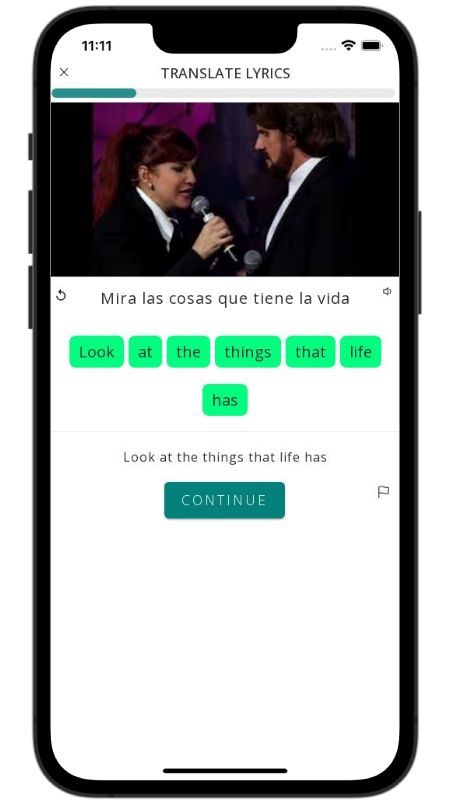
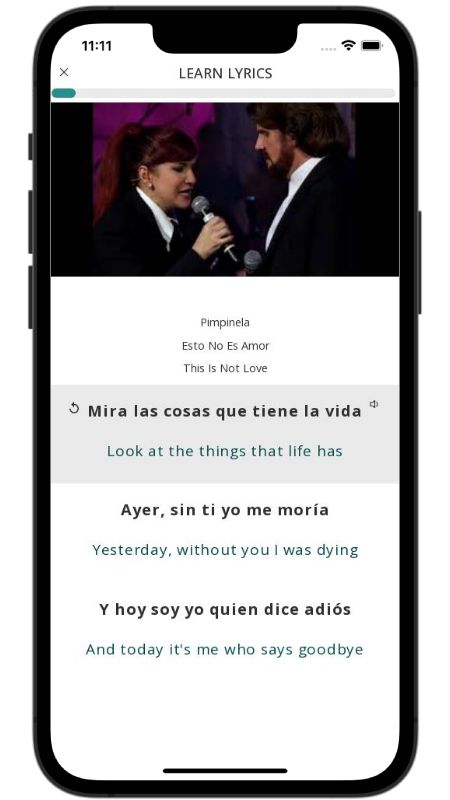
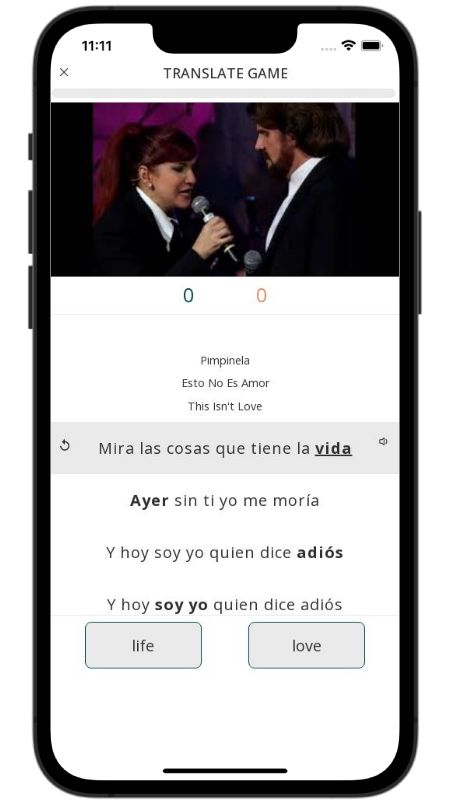
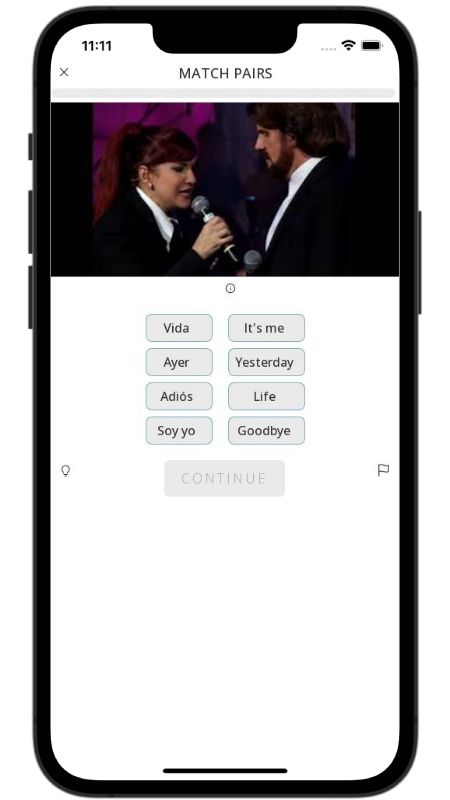
Argentina's famous duo Pimpinela is known for turning domestic arguments into full-blown pop duets, and "Esto No Es Amor" puts you right in the middle of a massive breakup fight. One partner has had enough, throwing out the bitter irony of how things change: "Ayer, sin ti yo me moría / Y hoy soy yo quien dice adiós" ("Yesterday, without you I was dying / And today I'm the one saying goodbye"). The track moves like rapid-fire dialogue where one person draws a line in the sand, listing every single toxic habit the other tries to excuse. When the accused claims "Puede cometer un error" ("One can make a mistake") and blames the other with "Tú me obligaste a mentir" ("You forced me to lie"), the response is icy and blunt: "No me des más explicaciones" ("Don't give me any more explanations").
There is a great Spanish idiom to learn here: "El amor te habla de frente" ("Love speaks to you face to face"). To speak de frente means to be completely straightforward, honest, and look someone in the eye rather than sneaking behind their back. That honesty is clearly missing because the heart of the argument is an affair: "En tu vida hay otra persona" ("There is another person in your life") and "El amor no oculta otra vida" ("Love doesn't hide another life"). By the end, they refuse to settle for hollow apologies, flatly rejecting the crumbs being offered with "Lo que tú me das, no lo quiero" ("What you give me, I don't want"). It is dramatic, petty, and deeply satisfying to sing along to when you are completely done with someone's nonsense.