Me Lavantaste La Mano Lyrics in English by Pimpinela
This phrase is a powerful euphemism in Spanish. While it literally translates to "you raised your hand," it is used to imply that someone was about to hit you, or actually did hit you.
In this dramatic Pimpinela song, the line "Me levantaste la mano" is the central accusation, describing a moment of domestic violence. Learning this phrase is key to understanding the intense emotion and story behind the lyrics.
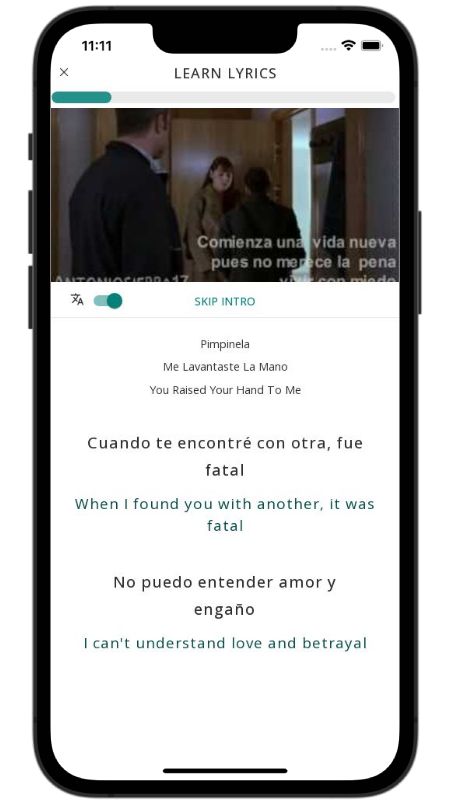
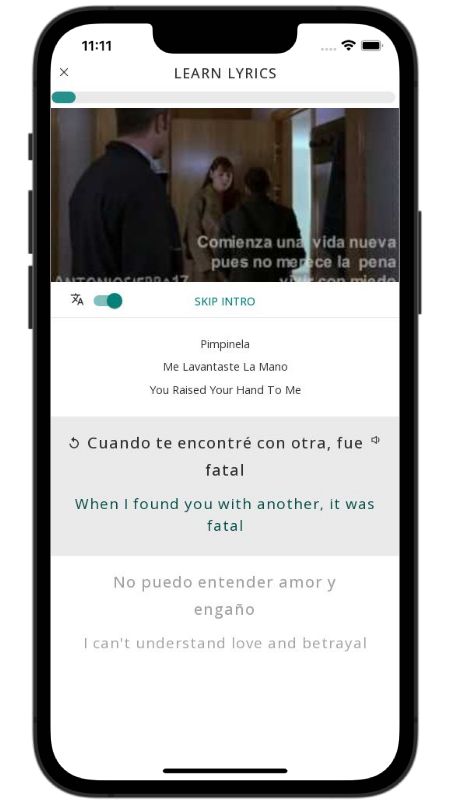
The Argentine pop duo Pimpinela is famous for turning theatrical, dialogue-driven domestic arguments into high-drama music, and this track tackles an intense breaking point. The title itself sets the stage: Me levantaste la mano ("You raised your hand against me"). The song starts with an infidelity confrontation—Cuando te encontré con otra, fue fatal ("When I found you with someone else, it was fatal")—that spirals out of control. It turns into an explicit back-and-forth about domestic abuse and manipulation. Notice how the lyrics use the idiom jugar al gato y al ratón ("play cat and mouse") to call out a toxic power game, followed immediately by physical consequences: Tengo el cuerpo marcado ("My body is bruised/marked").
The most chilling part of the song is how the lyrics expose classic gaslighting. The abuser deflects blame with excuses like Tú me obligaste ("You forced me to") and Es mi manera de amar ("It's my way of loving"), making the victim confess: me terminé culpando ("I ended up blaming myself"). But the narrative refuses to stay trapped in fear. It builds toward a clean break with Para ser libre y volver a vivir / Sin miedo a nadie, jamás ("To be free and live again / Without fear of anyone, ever"), finishing on an absolute refusal to look back: Mírame bien porque tú, desde hoy / No vas a verme, jamás ("Look at me well because from today on / You are never going to see me again").