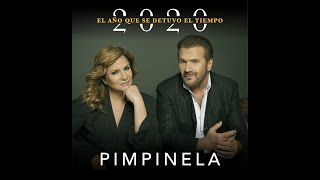
Traición Lyrics in English by Pimpinela
Traición means "betrayal". It's a powerful and dramatic word that immediately signals that this song is full of intense emotion and conflict.
In this theatrical duet by Pimpinela, the word traición is at the heart of a heated argument between a man and a woman over a supposed affair. It sets the stage for a story with a surprising twist, making it a key word to understand the song's dramatic narrative.
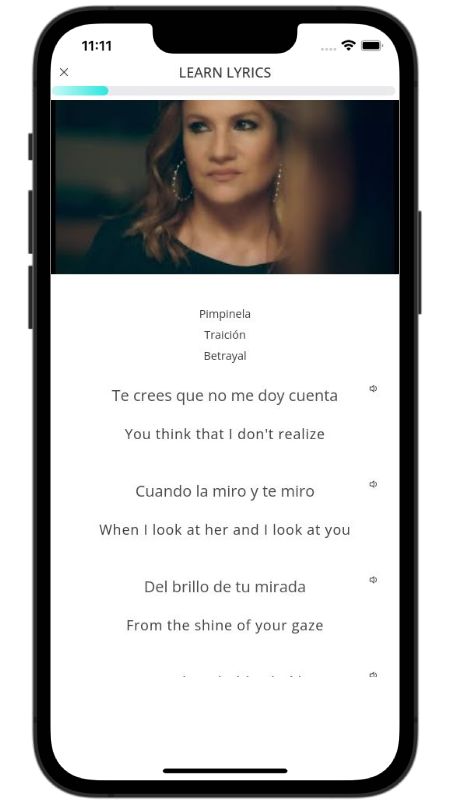
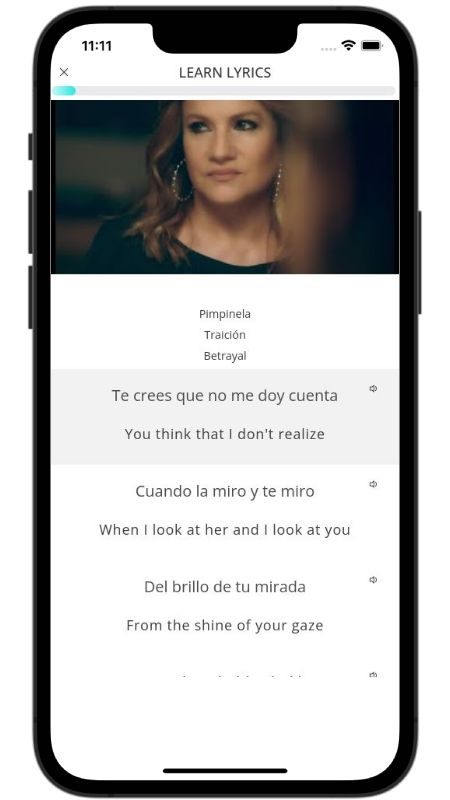
If you love classic Latin dramatic pop, Argentine duo Pimpinela always delivers the melodrama, and "Traición" takes that theatrical storytelling up a notch. The track plays out like an intense, confrontational scene between two partners. The woman kicks things off furious, accusing him of falling for her female friend. She notices every detail: "Del brillo de tu mirada / Cuando te habla al oído" [The shine in your look / When she whispers in your ear]. She warns him that the friend is playing them both, bluntly claiming, "Ella te va a engañar como engañó a tu amigo" [She is going to cheat on you like she cheated on your friend]. Meanwhile, he defends his sudden change of heart by saying he finally felt listened to, claiming, "Me siento libre como nunca he sido" [I feel free like I have never been].
Just when you think you are hearing a standard cheating quarrel, the lyrics pull off a fantastic twist. The woman refuses to hear excuses, yelling "Lo que ella ha hecho se llama traición" [What she did is called betrayal]. But her partner keeps trying to interrupt her assumptions. In the final lines, he drops the real bombshell: "No es a ella a quien amo / Esa persona es mi amigo" [It is not her who I love / That person is my friend]. It flips the entire argument on its head. He was never falling for the woman's friend at all; he was falling in love with his male friend.