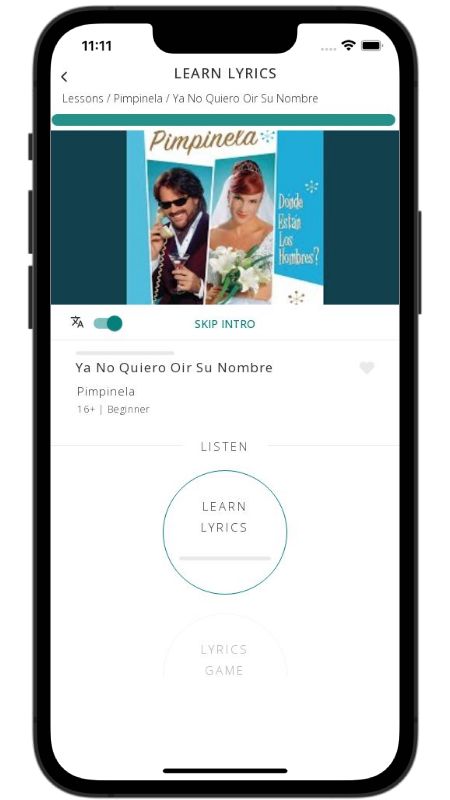
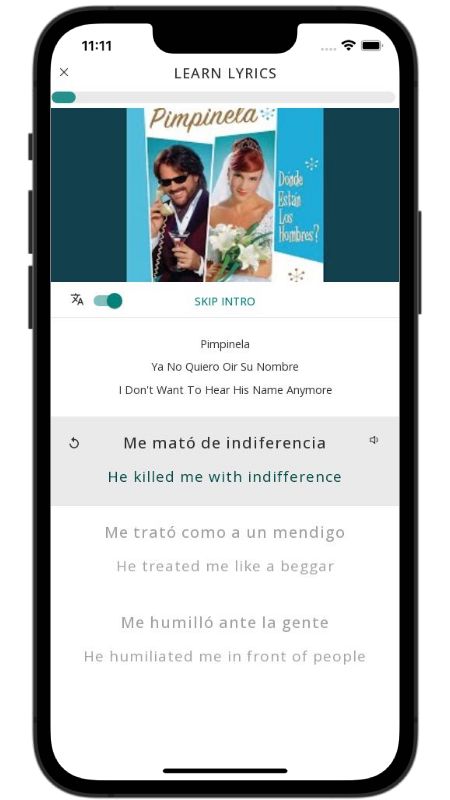
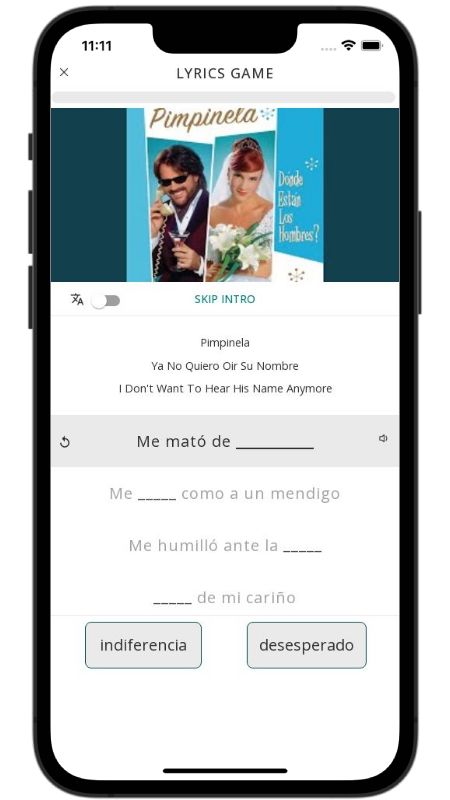
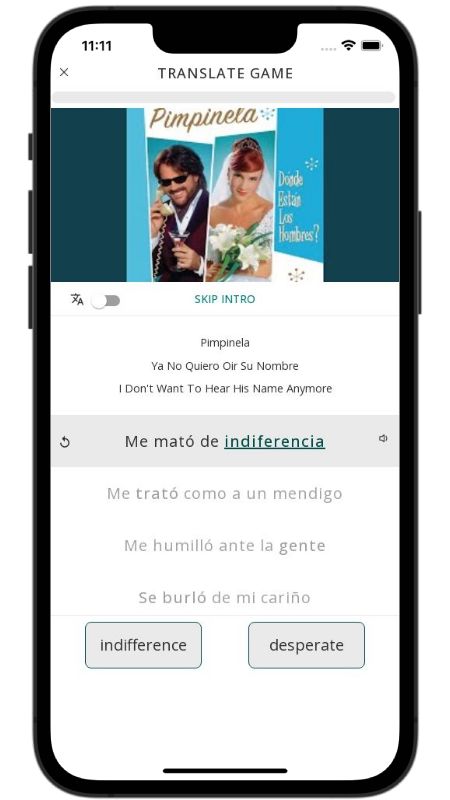
Ya No Quiero Oir Su Nombre Lyrics in English by Pimpinela
Amargó is a form of the verb amargar, meaning 'to make bitter' or 'to sour'. It's a dramatic and poetic way to describe how someone can ruin an experience or even your life.
In the song, the singer exclaims, "Él me amargó la vida" (He embittered my life). She uses this powerful verb to convey the deep, lasting pain and resentment caused by her ex-partner's lies and mistreatment, turning her whole world sour.
If you love classic Latin pop drama, this track by the Argentine duo Pimpinela is pure gold. It plays out like an intense conversation between two people over a terrible ex. One person acts as a reluctant messenger, claiming the ex is desperate to apologize and change: Él me ha dicho que ha cambiado ("He told me he has changed"). But the singer is completely done giving second chances, firing back that she cannot even stand to hear his name anymore: Ya no quiero oír su nombre ("I don't want to hear his name anymore").
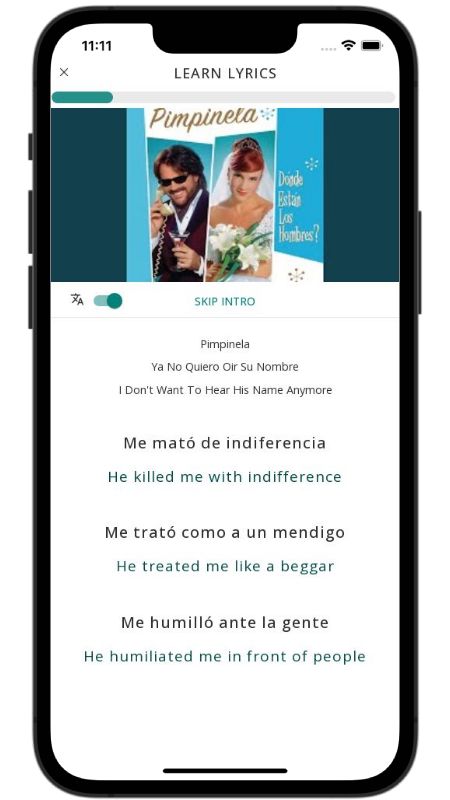
The lyrics list the exact damages without sugarcoating a thing. She sings that he treated her like a beggar (Me trató como a un mendigo), isolated her from her friends, and made her feel trapped (Me tenía prisionera / "He kept me prisoner"). Notice the sharp contrast between the messenger defending the guy with Ese hombre aún te quiere ("That man still loves you") and her blunt, definitive reply: Ese hombre es mi enemigo ("That man is my enemy"). It is a super clear, punchy showdown about slamming the door on someone who ruined your peace.