Du Hast Lyrics in English by Rammstein
scheidet comes from the verb scheiden, meaning "to separate" or "to part". It's a formal and powerful word you'll rarely hear in casual conversation, but it's famous for its use in a specific, crucial phrase.
It's the key verb in the traditional German wedding vow, "bis dass der Tod euch scheidet" (till death do you part). Rammstein dramatically builds the song's chorus around this vow, asking the ultimate question of commitment, only to have the singer respond with a resounding "Nein!" (No!). This makes scheidet a pivotal word for understanding the song's rebellious and iconic twist.
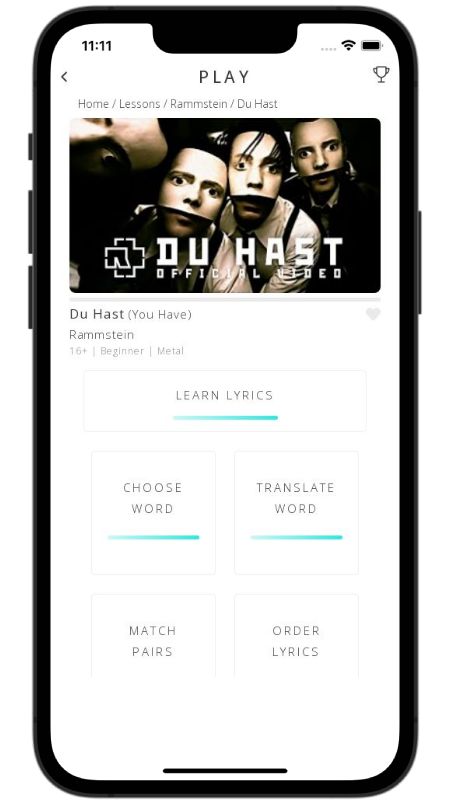
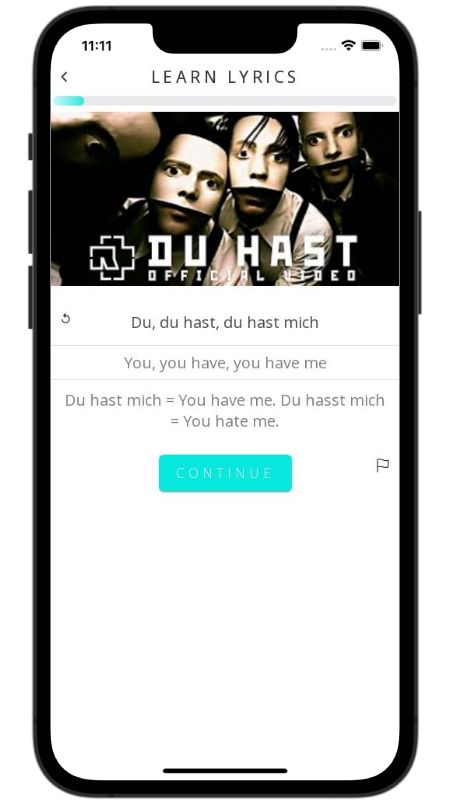
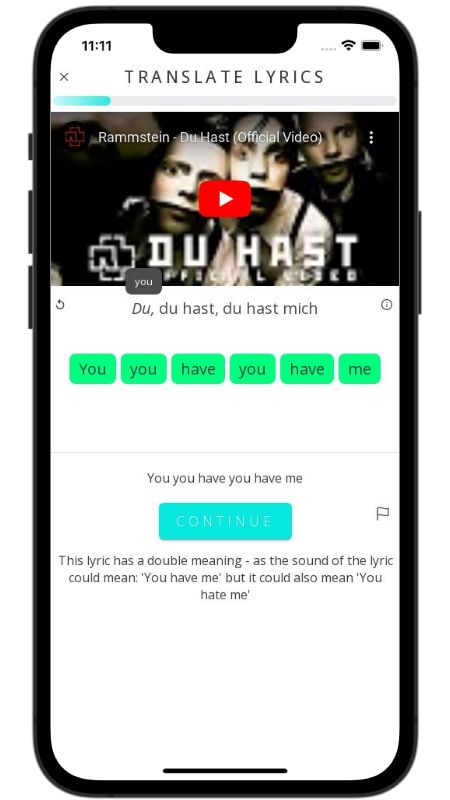
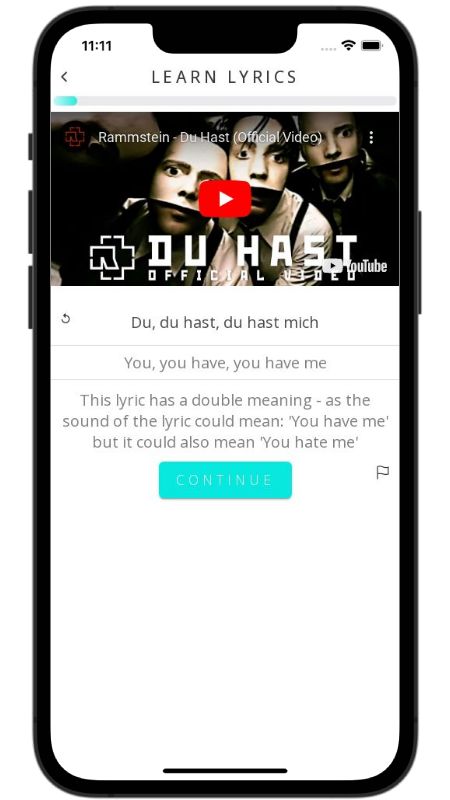
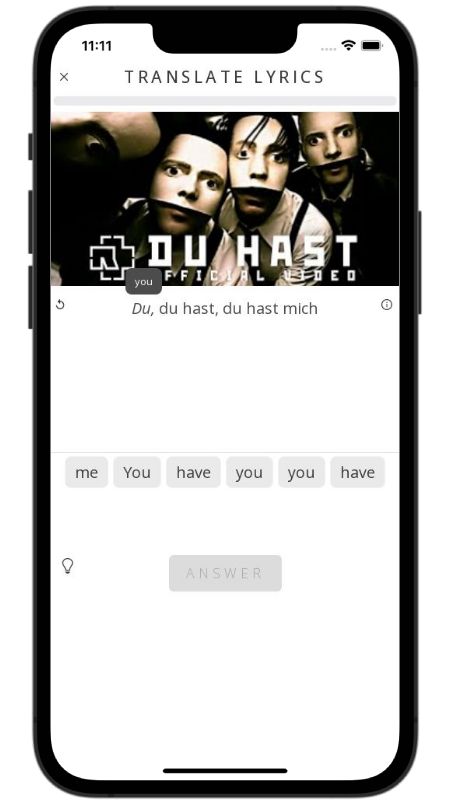
German metal band Rammstein built one of their biggest heavy tracks around a clever pun that catches anyone learning the language. When lead singer Till Lindemann belts out "Du hast mich" (You have me), German listeners hear an immediate double meaning: "du hast" (you have) sounds identical to "du hasst" (you hate). So right from the start, the track tricks your ears into wondering whether someone possesses him or absolutely despises him. Then the sentence finally finishes with "Du hast mich gefragt und ich hab' nichts gesagt" (You asked me and I said nothing), clearing up the grammar but turning the mood icy cold.
What did this person ask? Traditional wedding vows. The lyrics quote the classic promise: "Willst du bis der Tod euch scheidet / Treu ihr sein für alle Tage?" (Do you want, until death separates you, to be faithful to her for all days?). Instead of a romantic "I do," Rammstein delivers a blunt, shouted "Nein, nein" (No, no). The track takes the solemn ceremony of marriage, strips away all the sweetness, and answers lifelong commitment with total silence followed by a flat refusal.