Monotonía Lyrics in English by Shakira, Ozuna
Monotonía translates to "monotony," but it carries a much heavier weight than simple boredom. It refers to a soul-crushing sameness and a predictable routine that can slowly poison a relationship.
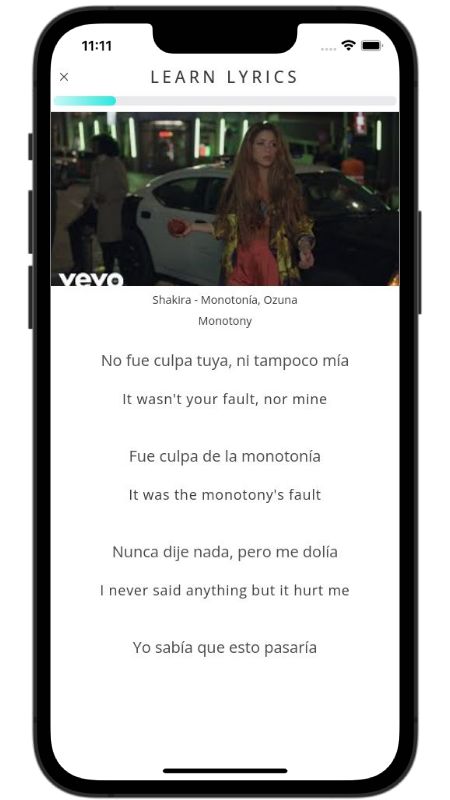
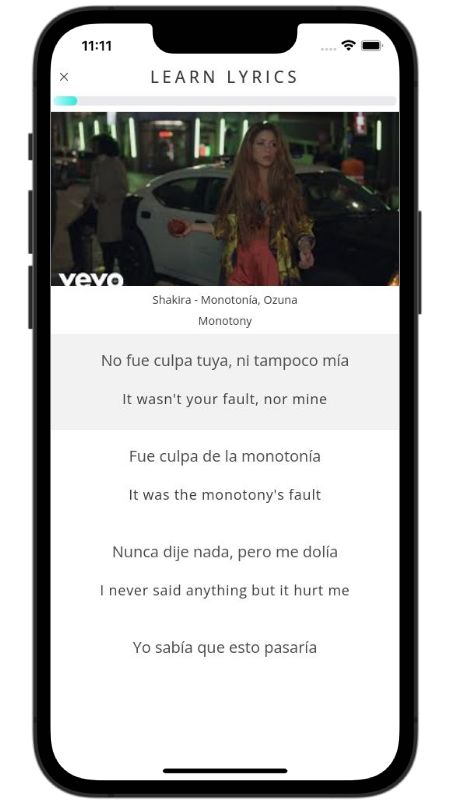
In this powerful breakup anthem, Shakira personifies this feeling by making it the title and central theme. She sings, "No fue culpa tuya, ni tampoco mía / Fue culpa de la monotonía" (It wasn't your fault, nor was it mine / It was monotony's fault), treating it as a silent force that dismantled what was once a great love.
Colombian superstar Shakira teams up with Ozuna to deliver a painfully honest pop track about how boredom and neglect can kill a relationship. The central theme comes right in the chorus: "No fue culpa tuya, ni tampoco mía / Fue culpa de la monotonía" ("It wasn't your fault, nor mine / It was monotony's fault"). Instead of pointing fingers at one huge betrayal, she blames the slow, daily routine where both partners drifted into their own worlds. Still, she does not let the other person off completely. She calls out their self-absorption with "Me dejaste por tu narcisismo" ("You left me because of your narcissism") and drops one of the most vivid lines in modern Latin pop: "Estaba corriendo por alguien que por mí ni estaba caminando" ("I was running for someone who wasn't even walking for me").
To make matters worse, everything has turned freezing cold: "To' está frío como en navidad" ("Everything is cold like Christmas"), using the common spoken contraction "to'" for "todo" (everything). The turning point is all about setting boundaries. Ozuna and Shakira use the classic cinema metaphor "No me repitas la movie otra vez, que esa ya la vi" ("Don't replay that movie for me again, because I've already seen it"), meaning they are completely done hearing the same old excuses. Ultimately, the song chooses self-respect over a dying romance with the blunt truth: "yo te quiero, pero es que yo me quiero más a mí" ("I love you, but I love myself more").