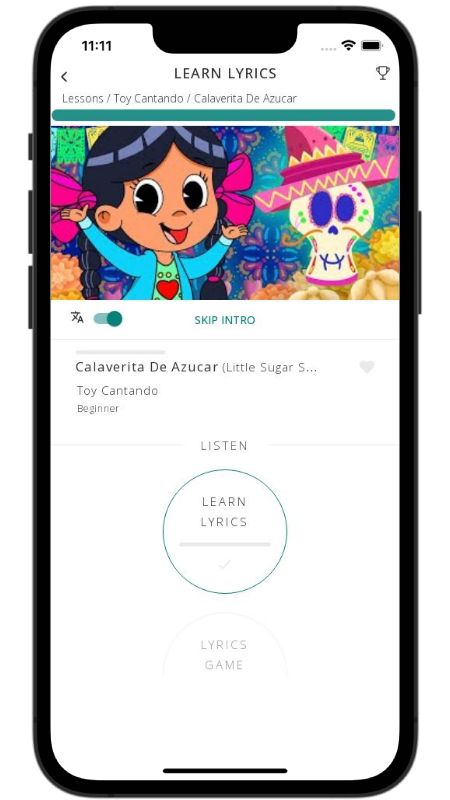
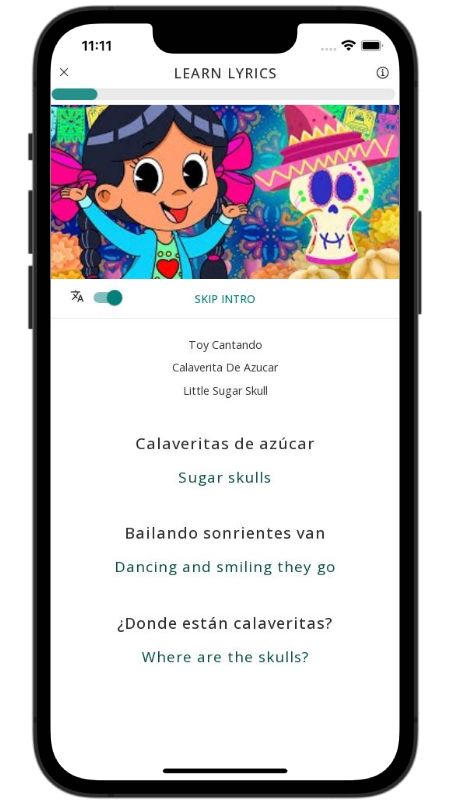
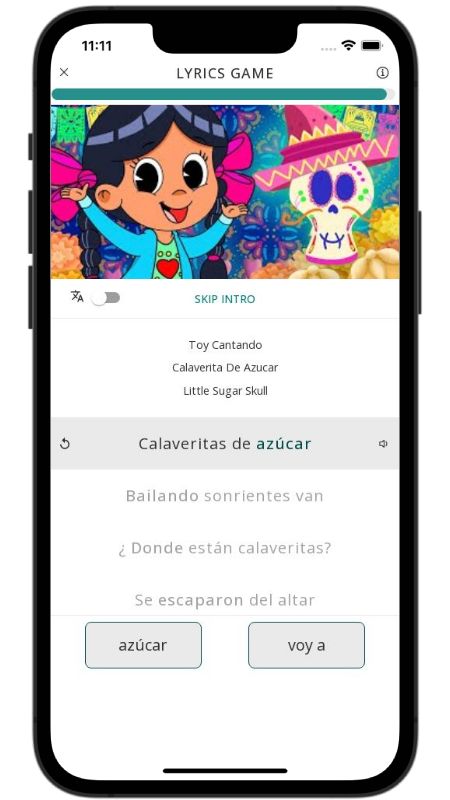
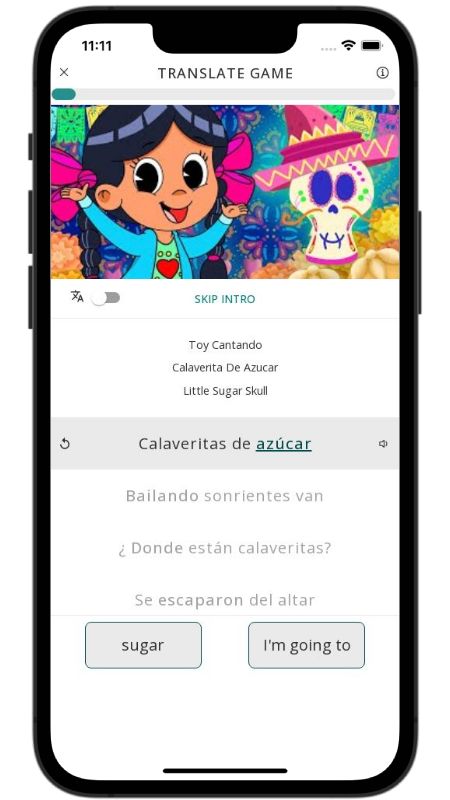
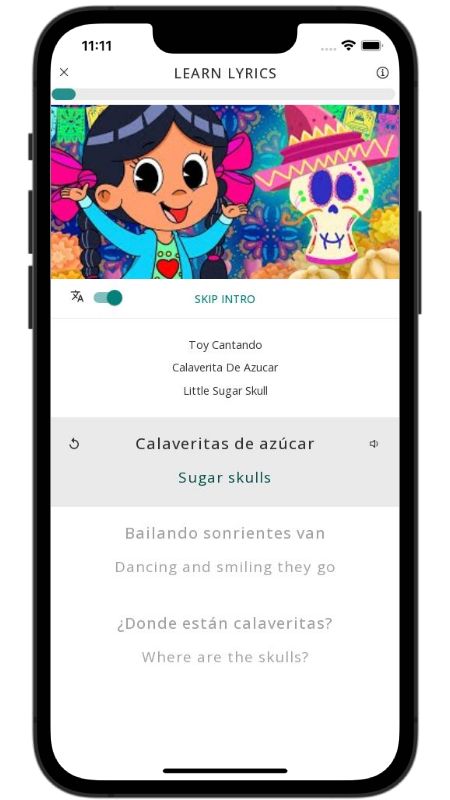
Calaverita De Azucar Lyrics in English by Toy Cantando
Calaverita de azúcar literally translates to "little skull of sugar". These are decorative, edible skulls that are a famous part of Mexico's Día de los Muertos (Day of the Dead) celebrations.
In this cheerful song, the sugar skulls come to life to dance and celebrate, turning a symbol often seen as spooky into something joyful and fun. It's a beautiful phrase that perfectly captures the unique spirit of the holiday!
Imagine the candy skulls sitting on a holiday ofrenda suddenly coming alive and making a run for it. That is the exact setup in Calaverita De Azúcar by Toy Cantando. The song is set straight on the Day of the Dead: Hoy es el día de los muertos y voy a regresar ("Today is the Day of the Dead and I'm coming back"). Instead of showing up to terrify anyone, the spirits make their goal hilariously clear: Pero no vengo a asustarte, yo solo vengo a bailar ("But I'm not here to scare you, I only came to dance"). It turns a spooky theme into an invitation to party.
Along the way, the singer is on a hunt to catch these runaway sweets (Se escaparon del altar / "They escaped from the altar") and write a friend's name across their foreheads: ¿Qué nombre pondré en tu frente para bailar? ("What name will I put on your forehead to dance?"). That refers to the real Mexican custom of writing a living person's name with icing on a sugar skull before gifting it to them. Some skulls are pure sugar, others are chocolate, and the singer is definitely ready to take a bite: Cuando te encuentro calavera, un mordisco voy a darte ("When I find you, skull, I'm going to take a bite out of you"). By the end, the dancing skulls wander right back onto the altar, just in time for the party to wrap up.