La Vaca Lola Hace Mu Lyrics in English by Toy Cantando, La Vaca Lola
Hace mu literally means "makes moo". In Spanish, the verb hacer (to make or to do) is used to describe the sounds animals make. This is different from English where we typically say an animal "says" or "goes" moo.
This simple but essential phrase is the heart of the classic children's song, "La Vaca Lola". Learning it will not only help you sing along but also teach you how to talk about all your favorite animal sounds in Spanish!
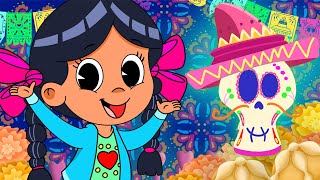
Meet Lola the cow, one of the most famous barnyard characters in children's music across Latin America! Mexican children's artist Toy Cantando keeps things delightfully simple in "La Vaca Lola Hace Mu." The song kicks off with an absurdly straightforward physical description: "Tiene cabeza y tiene cola" ("She has a head and she has a tail"). That blunt truth is pretty funny when you think about it—what animal doesn't have a head and a tail? But it gives young learners two essential body parts, cabeza (head) and cola (tail), paired with the sound cows make: "Y hace muuuuu" ("And she goes moo").
Halfway through, the track switches into the Spanish version of the classic tune Old MacDonald Had a Farm. You will hear "En la granja de mi tío" ("On my uncle's farm") with the chorus chanting "Ia ia hoo" instead of the English "E-I-E-I-O." Lola shares the spotlight with a whole crew: un gato (a cat) that says "miau", un pato (a duck) that goes "cuak", and una cabra (a goat) that bleats "beeeh". Notice the handy spatial words too: aquí (here) and allá (there) show up in lines like "Una vaca aquí, una vaca allá" ("A cow here, a cow there"). It is bouncy, silly, and built so you pick up animal names without even realizing you are studying.