Rakata Lyrics in English by Wisin & Yandel, Luny Tunes
Rakata is an onomatopoeia, a word that imitates a sound. It's not a traditional Spanish word, but a sound effect that became iconic because of this song.
In the context of "Rakata", it's meant to mimic the sound of either a gunshot or, more commonly, the hard-hitting, percussive beat of the music. This single word perfectly captures the intense energy and rhythm of classic reggaeton, and it's chanted throughout the song as its powerful, unforgettable hook.
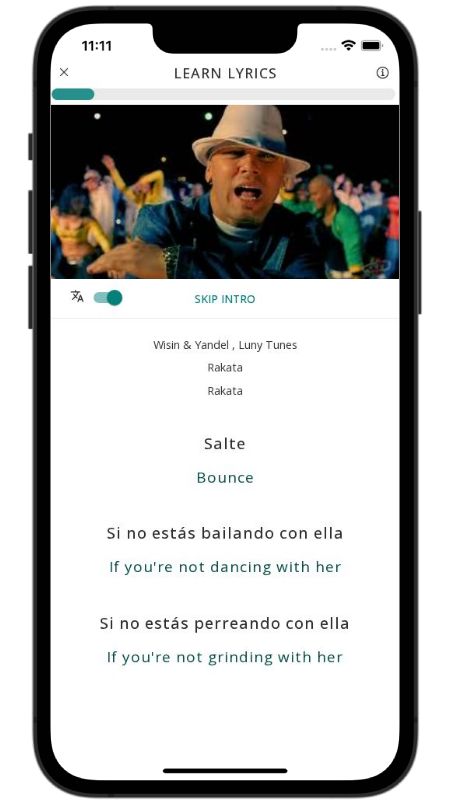
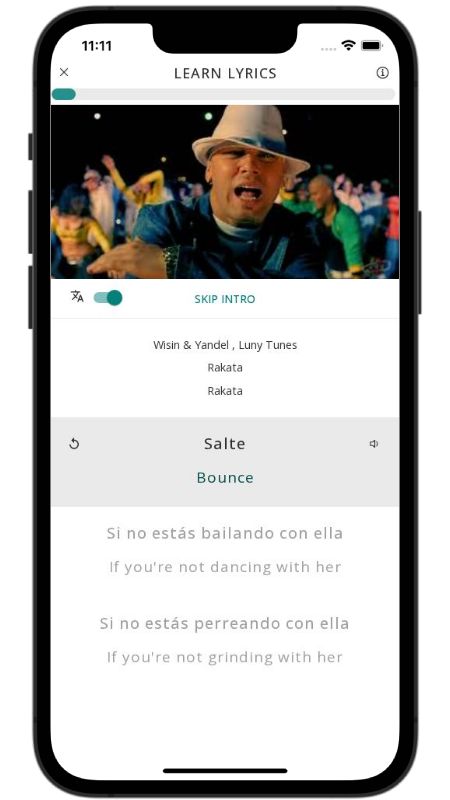
"Rakata" is straight reggaeton club energy from Puerto Rico, built entirely for the dance floor. The song wastes zero seconds setting up the rules: "Salte / Si no estás bailando con ella" ("Get out of the way / If you aren't dancing with her"). If you are standing around doing nothing while someone is trying to dance, step aside. Wisin steps up full of swagger, calling out "Capicu, llego el frontú" ("Capicú, the cocky guy arrived"). In Puerto Rico, capicú is that game-ending domino move where you can win on either open side of the board; using it here means he won before anyone else even took a turn.
Wisin fills the verse with sharp snapshots of the woman ruling the floor: "Pantalla en la barriga / Tatuaje en la vejiga" ("Belly ring / Tattoo near the bladder"). He claims she has twenty enemies and only two friends because of how well she moves—"en el culipandeo ella mata la liga" ("shaking her hips, she outclasses the whole competition"). The whole track revolves around the nonsense hook word "rakata", which mimics the hard thumping sound of the rhythm itself. Wisin & Yandel trade blunt pickup lines about caramel kisses and hair-pulling, while producers Luny Tunes drop in at the end to boast about ticket sales and high production budgets. It is loud, boastful, and designed purely to make people move.