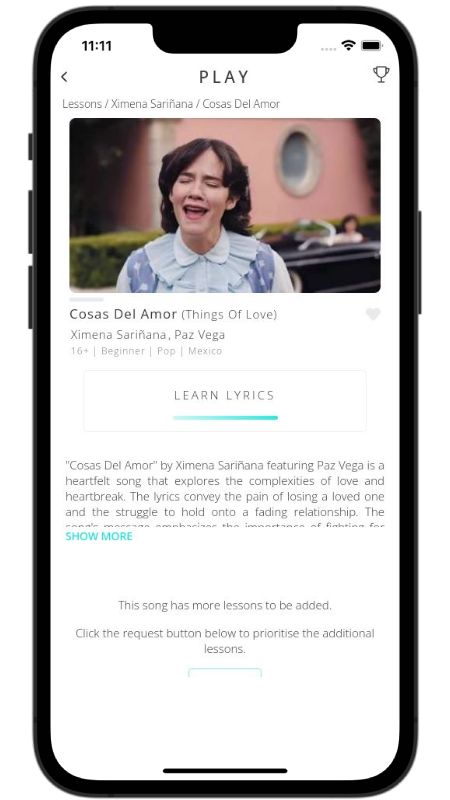
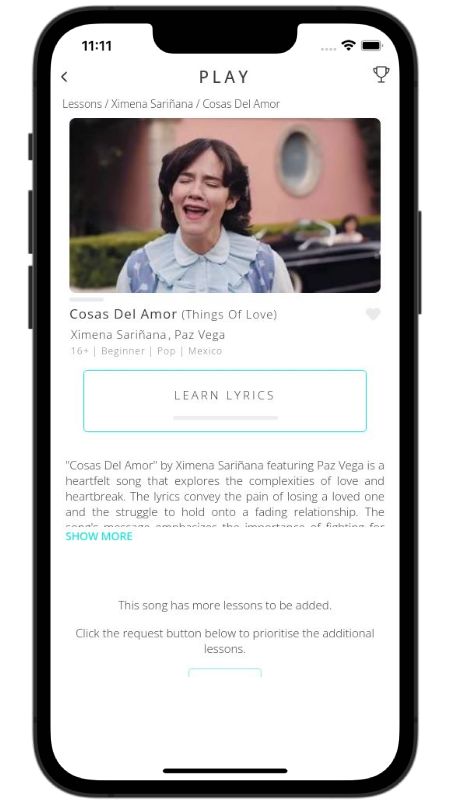
Cosas Del Amor Lyrics in English by Ximena Sariñana, Paz Vega
Impotencia translates to "helplessness" or "powerlessness." It's a deeply emotional word you don't often encounter in songs, used to describe a feeling of being unable to change a painful situation.
In the lyrics, the singer is "Llorando de impotencia" (Crying from helplessness) because the man she loves is leaving and she feels there's nothing she can do to stop him. This single word powerfully captures the song's core feeling of despair and heartbreak.
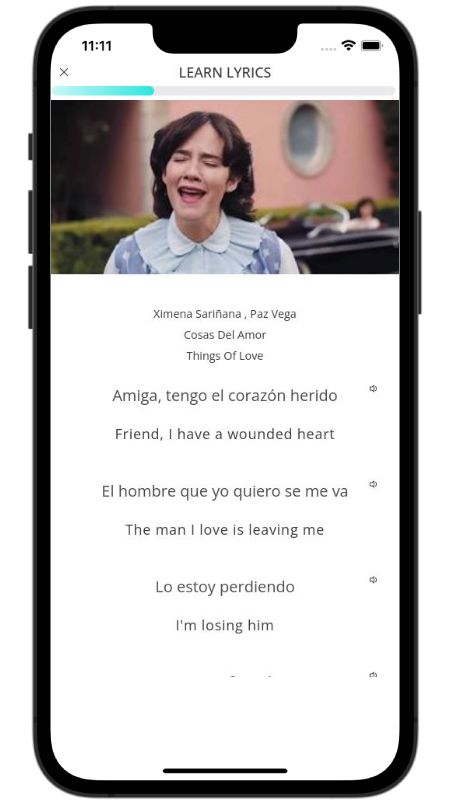
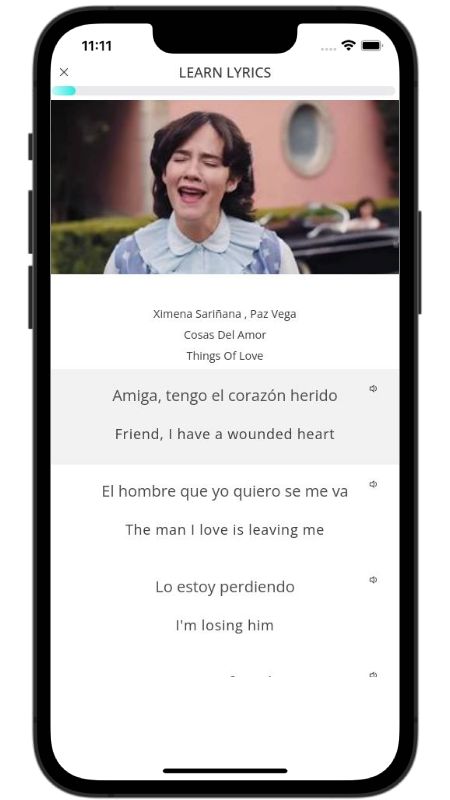
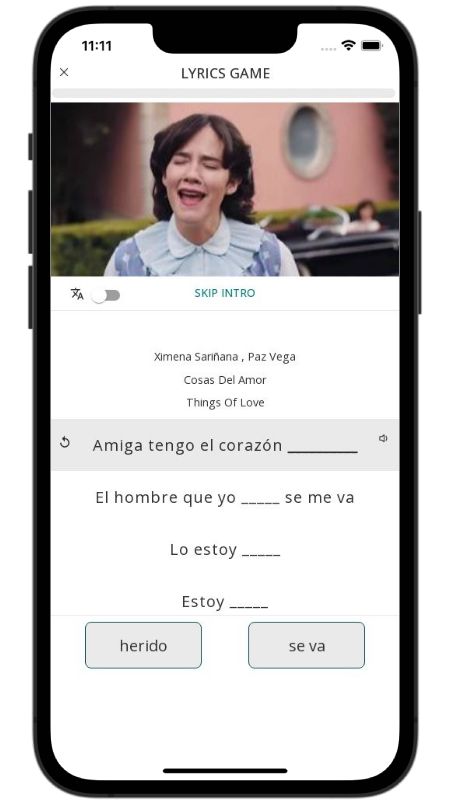
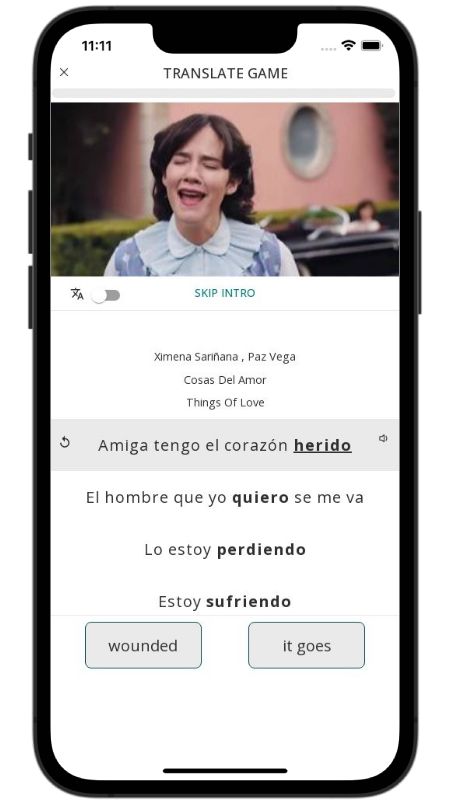
We have all been on at least one side of this late-night phone call. In "Cosas Del Amor," Mexican pop singer Ximena Sariñana and Spanish actress Paz Vega act out a full-blown friendship drama about a failing romance. One woman is completely falling apart, confessing, “Amiga, tengo el corazón herido / El hombre que yo quiero se me va” ("Friend, my heart is wounded / The man I love is leaving me"). She feels totally powerless to stop him. Enter the friend, who hands out dramatic pep talks instead of tissues: “No te des nunca por vencida / Que vale todo si se lucha por amor” ("Never give up / Because anything goes if you fight for love"). The Spanish phrase “dar por vencida” means to surrender or admit defeat, and this friend clearly refuses to let anyone wave the white flag.
What makes the track so fun is how fast it turns into a rapid-fire argument. The heartbroken friend asks practical questions, and the other shoots back with grand romantic clichés. When the devastated lover asks what to do (“¿Cómo puedo hacer?” ["What can I do?"]), the friend demands “Entrega todo” ("Give everything"). When she points out she already did (“Todo se lo di”), the advice gets ridiculous: “Inventa un modo” ("Invent a way"). By the end, the crying friend admits the pep talk is pretty useless: “Tu consejo no me aleja del dolor” ("Your advice doesn't take my pain away"). The only real answer left is the fatalistic shrug of the title: “Son cosas del amor” ("That's just love for you"). It is messy, theatrical, and honest about how annoying good advice sounds when you are hurting.