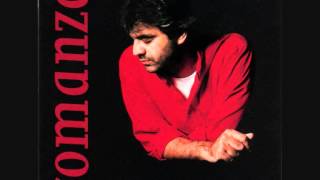
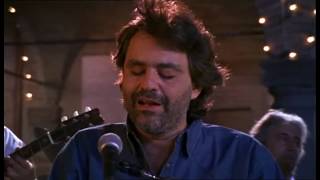
Vivo Per Lei Lyrics in English by Andrea Bocelli, Giorgia
Sfiorare means "to brush against" or "to touch lightly", and the -la ending means "her". It's a beautifully delicate and sensory verb.
In this iconic duet, music is personified as a woman, a "Musa" (Muse). The line "A sfiorarla con le dita" (To brush against her with the fingers) creates a vivid, intimate image of a musician playing an instrument. This poetic phrase captures the tender and profound connection between the artist and their art.
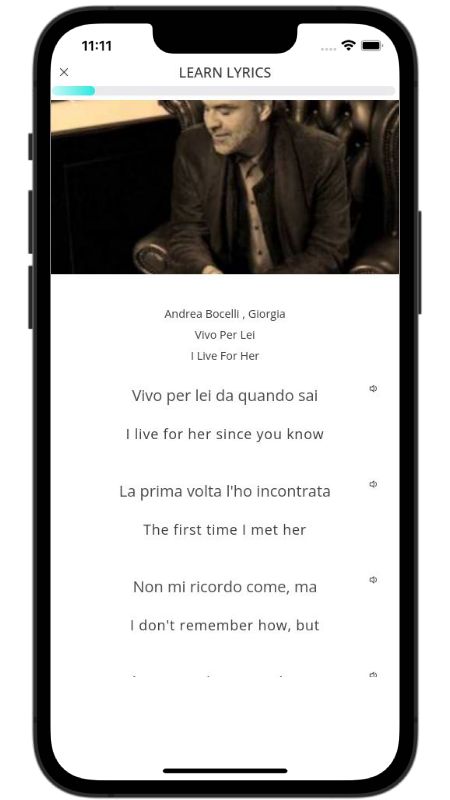
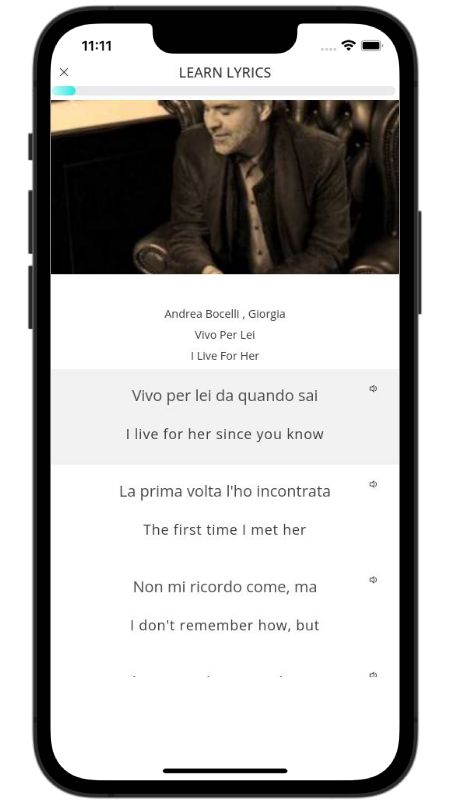
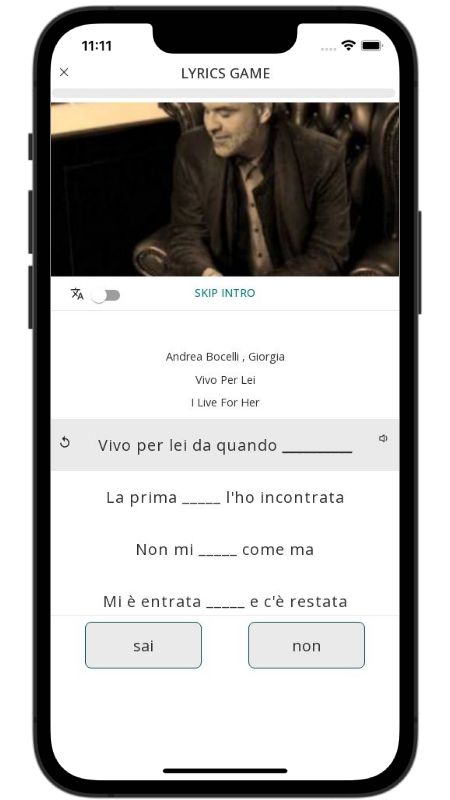
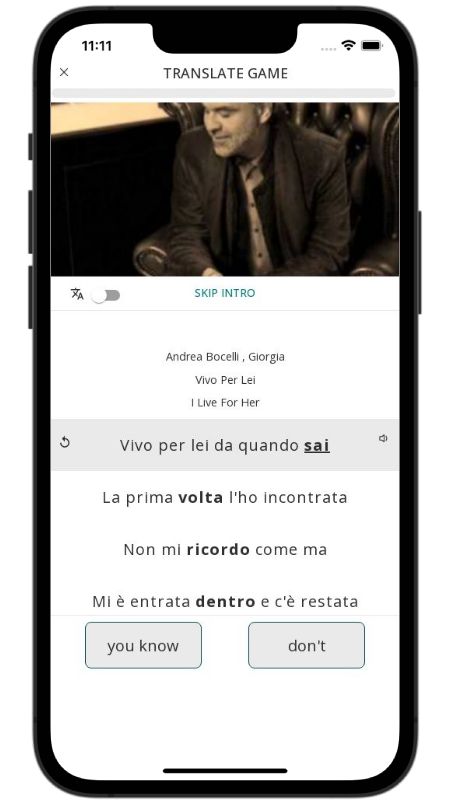
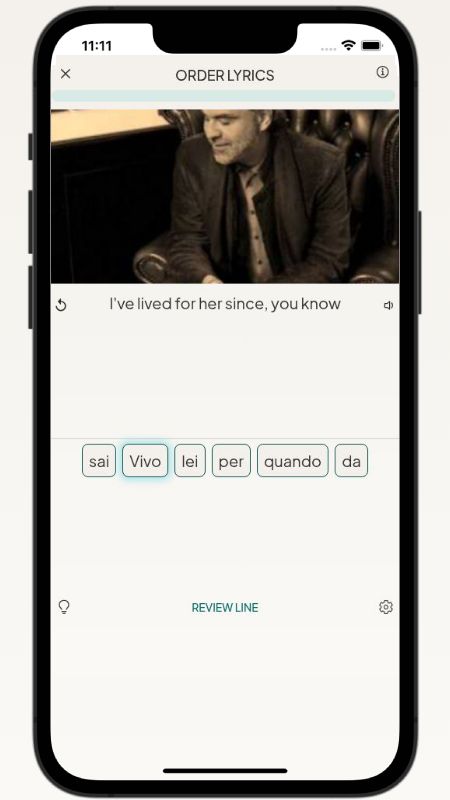
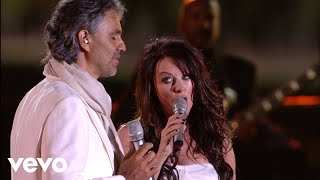
At first, you might think Andrea Bocelli and Giorgia are trading lines about a breathtaking romantic partner. Andrea confesses, "Vivo per lei da quando sai / La prima volta l'ho incontrata" ("I live for her since, you know, the first time I met her"), while Giorgia warns him not to get jealous because this "she" belongs to anyone who keeps a bedroom stereo on when they feel lonely. Then comes the reveal: "lei" (her) isn't a person at all. She is music itself. Andrea calls her a muse you touch through a piano keyboard ("Attraverso un pianoforte"), while Giorgia feels her expand out into the room through her own singing voice.
What makes this duet so charming is how physical they make this love affair sound. Music can be sweet, sure, but Andrea notes that sometimes she hits you right on the head: "A volte picchia in testa, ma / È un pugno che non fa mai male" ("Sometimes she pounds in your head, but it is a punch that never hurts"). It drags them from city to city and leaves them with no backup plan. Near the end, Andrea drops all the metaphors and says it straight: "Perché la musica lo sai / Davvero non l'ho mai tradita" ("Because music, you know, I truly have never betrayed her"). It is a grand, theatrical love declaration to melodies, rests, and the strange relief of having art keep you company against a blank wall.