A Lo Mejor Lyrics in English by Banda MS de Sergio Lizárraga
Exagerando is the Spanish equivalent of "exaggerating". This word is a perfect example of a cognate—a word that looks and sounds similar in both Spanish and English—making it easy to remember.
In the song, the singer uses it to add weight to his feelings, insisting, "Te juro que no estoy exagerando" (I swear I'm not exaggerating). He's emphasizing the raw, desperate truth of his emotions, making this a key word for understanding the song's passion.
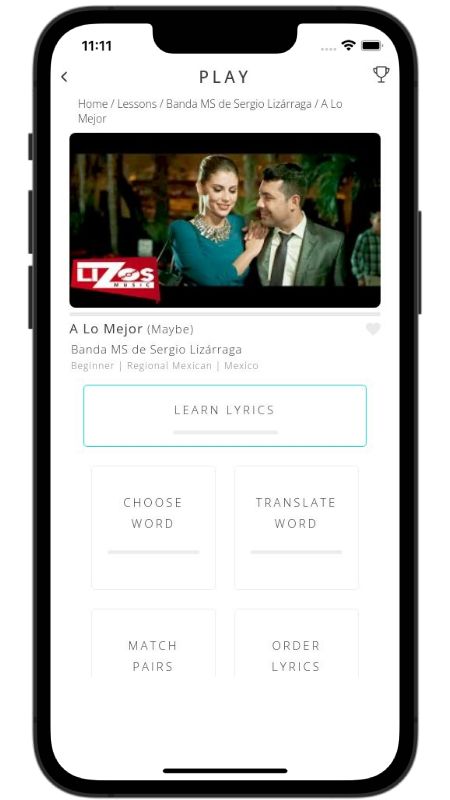
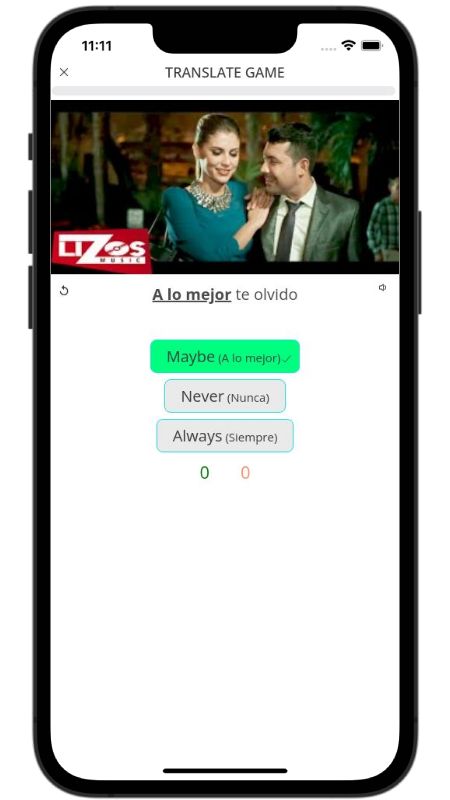
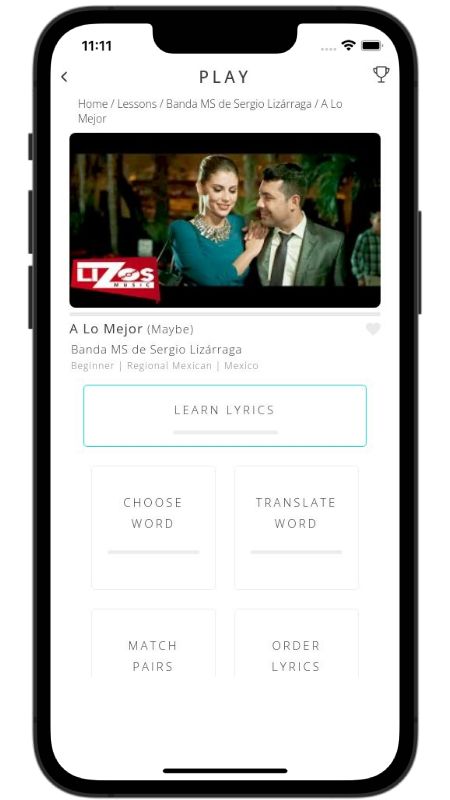
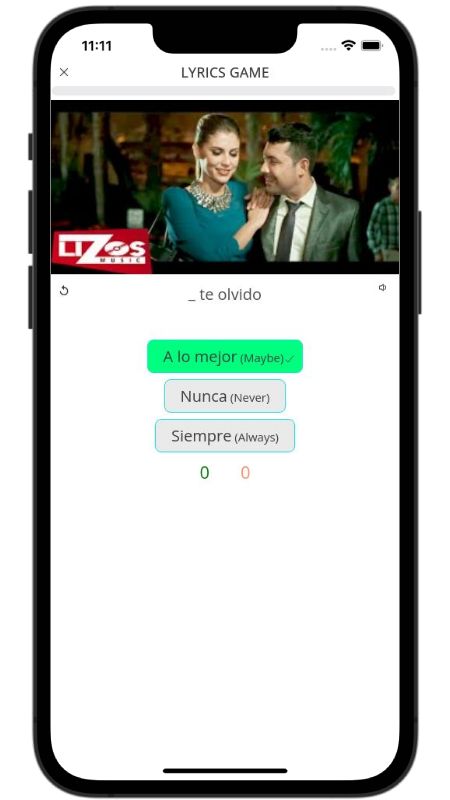
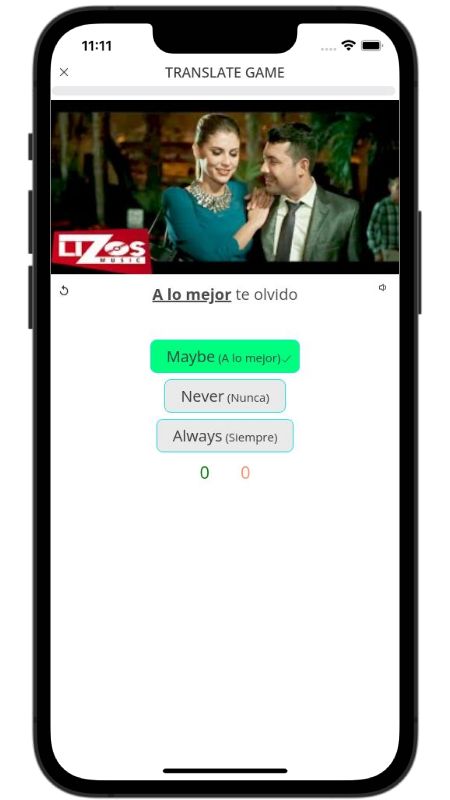
We have all been in that messy, post-breakup spiral where logic goes completely out the window, and Banda MS nails that feeling in "A Lo Mejor". The title phrase a lo mejor literally translates to "at the best," but in everyday Spanish, everybody uses it to mean "maybe" or "perhaps." The singer bounces through every chaotic possibility after getting dumped: "A lo mejor te olvido, a lo mejor jamás" ("Maybe I'll forget you, maybe never"). He admits he will probably drunk-dial late at night, and he fully expects the other person to hang up ("A lo mejor tú cuelgas mi llamada"). There is zero filter here. He openly admits to being overly dramatic, flat-out saying, "Te juro que no estoy exagerando cuando te digo que sin ti soy nada" ("I swear I am not exaggerating when I tell you that without you, I am nothing").
What makes the track bite is how it calls out the ex's pride versus his own stubbornness. He remembers being told that dating him "no valía la pena" ("was not worth the trouble" or "was not worth the pain"—pena means grief or effort). Yet, he leaves us with a sharp reality check about anyone who claims they moved on overnight: "¿Pero quién olvida el amor de su vida en un par de días?" ("Who forgets the love of their life in a couple of days?"). His conclusion is harsh and simple: if you can actually walk away and forget someone that fast, "nunca fui el amor de tu vida" ("I was never the love of your life"). It is blunt, petty, and painfully relatable.