To My Love Lyrics in English by Bomba Estéreo
Bastó is the preterite form of bastar, meaning "to be enough" or "to suffice".
In the line "Solo una bastó pa' sentirte" the singer declares that just one night was sufficient to feel the other person deeply. The verb adds a punch of finality and satisfaction, making it a striking, less-common word that learners will remember.
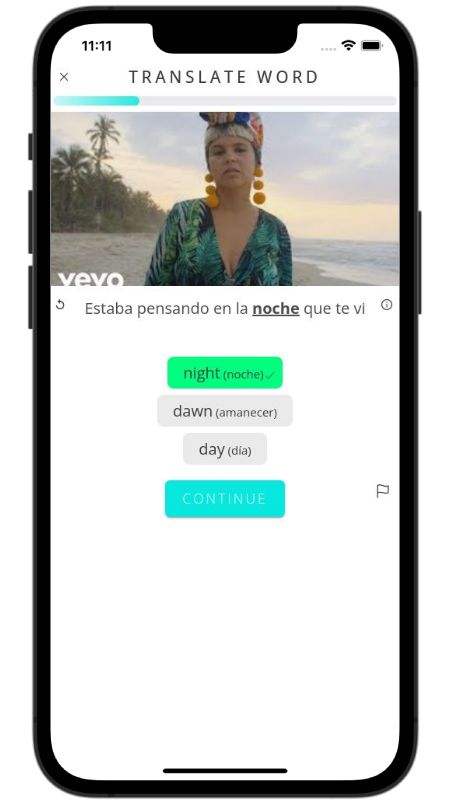
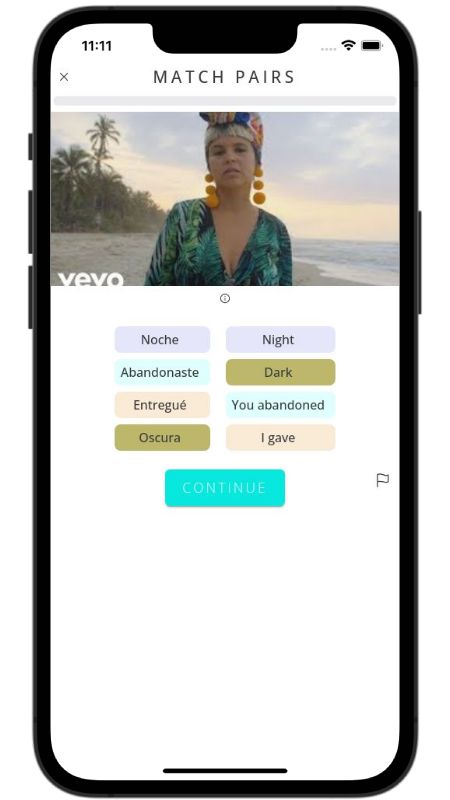
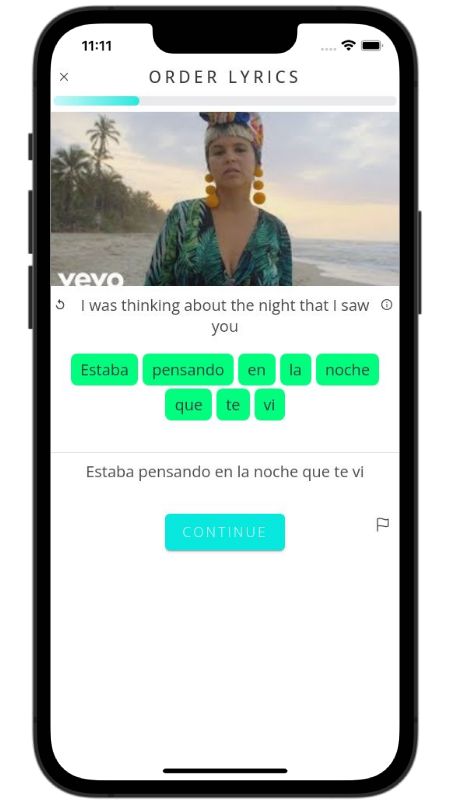
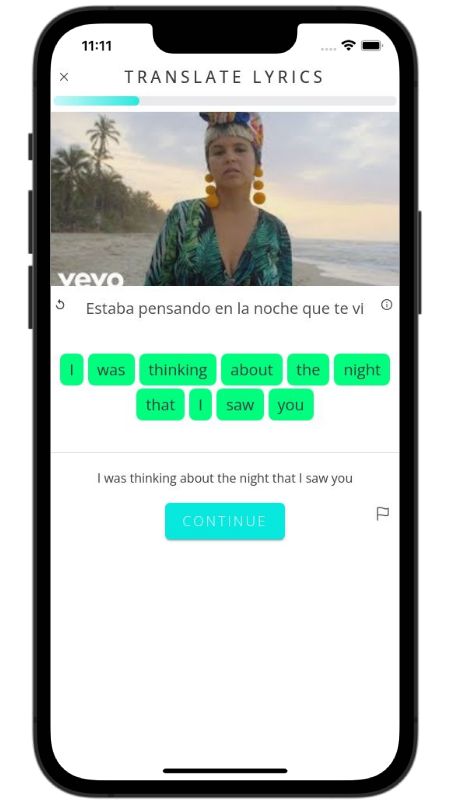
Bomba Estéreo wraps a quick, messy heartbreak in a sun-drenched beat that tricks you into dancing before you realize how sad the story is. The narrator looks back at a brief encounter: Estaba pensando en la noche que te vi / La misma que me abandonaste sin pensar ("I was thinking about the night I saw you / The same one where you left me without thinking"). It took only one dark night to give everything away, and just as fast, the lover vanished into thin air. Notice the catchphrase in the chorus: Yo te di to' my love ("I gave you all my love"). That little word to' is everyday spoken Spanish slang, clipping the standard todo ("all" or "everything") down to a single syllable, exactly how people talk on the street.
Then comes the clever twist. Later in the song, the perspective flips: Me fui corriendo y no volví más ("I ran away and didn't come back"). Suddenly, she is the one running off into the dark. It turns out both people threw their whole hearts into that single evening, realized solo una bastó pa' sentirte ("only one was enough to feel you"), and bolted. Instead of crying over what went wrong, the track treats the memory like an intense, complete flash where ya nos dimos todo lo que pudo dar ("we already gave each other everything that could be given").