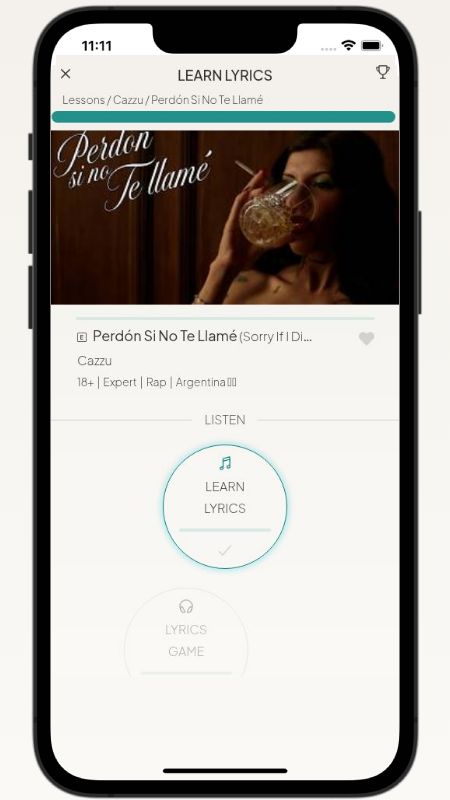
Perdón Si No Te Llamé Lyrics in English by Cazzu
Fierro literally translates to "iron", but in this song, it's used as popular Mexican slang. It's a very enthusiastic way of saying "yes", "let's do it", or even "hell yeah!".
In the lyrics, Cazzu creates a cool call-and-response: "Yo te digo 'vamo', tú me dice' 'fierro'" (I say 'let's go', you say 'hell yeah!'). It's a short, punchy word that captures a rebellious and confident energy, perfect for learning real-world, colloquial Spanish.
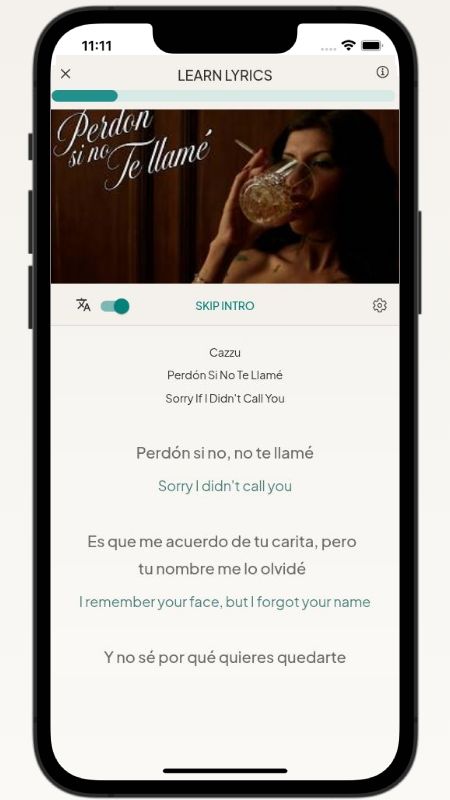
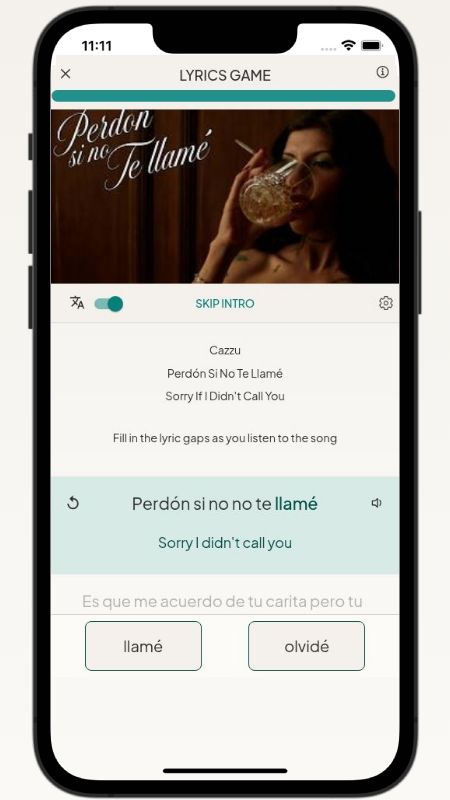
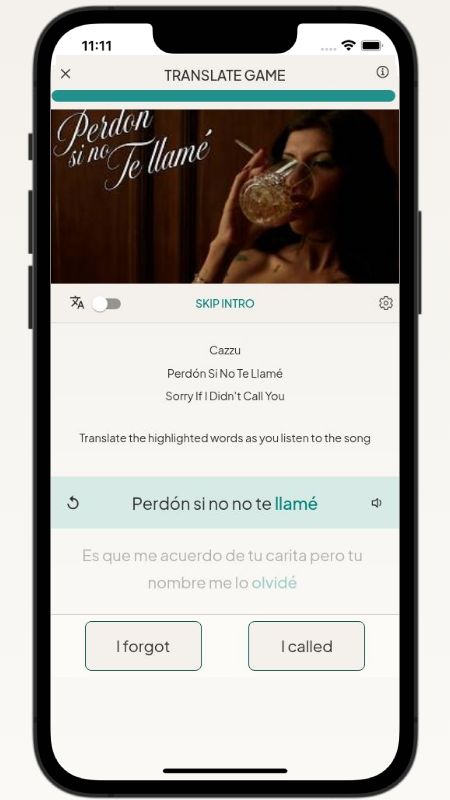
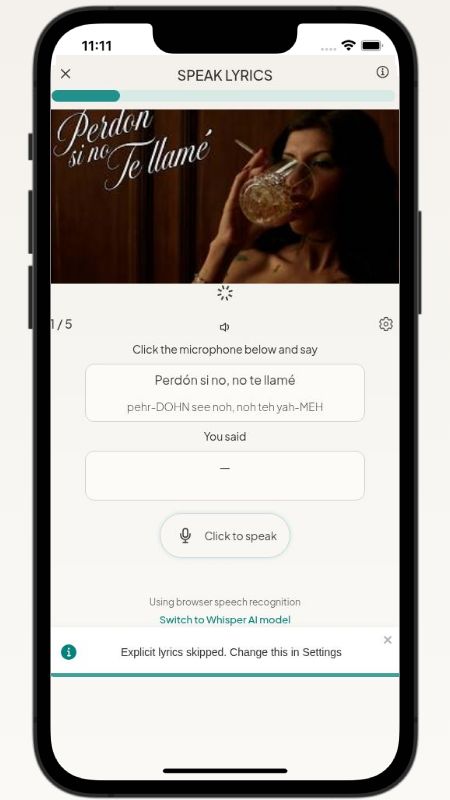
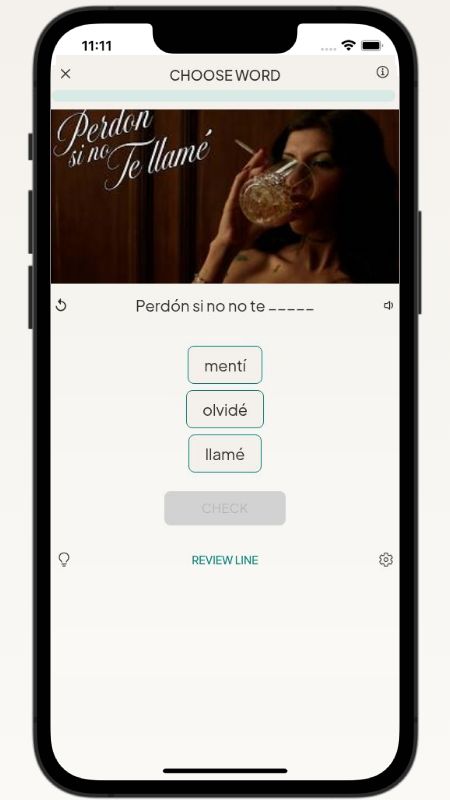
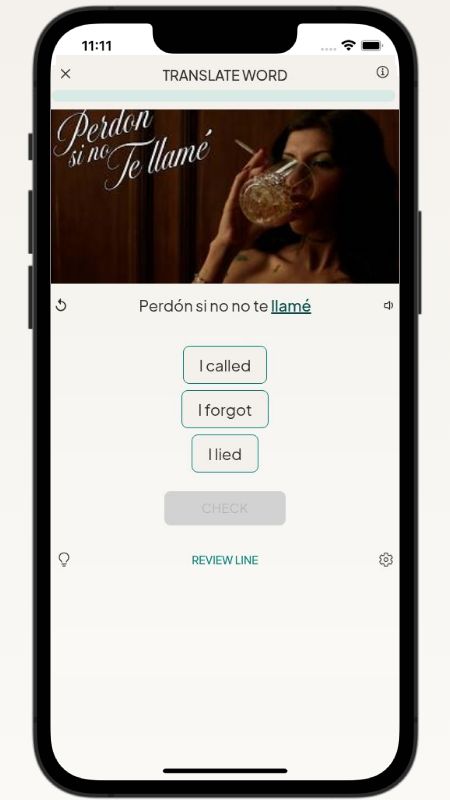
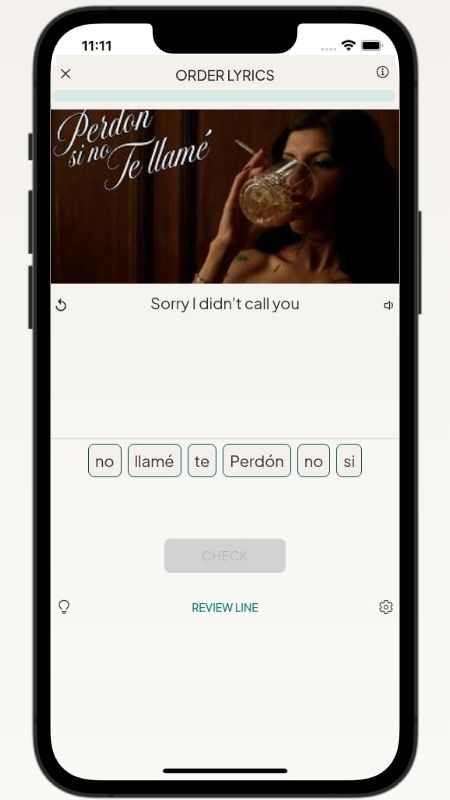
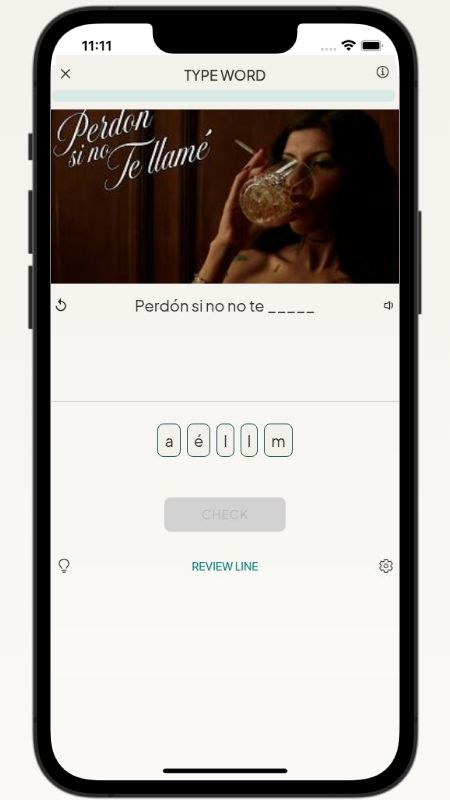
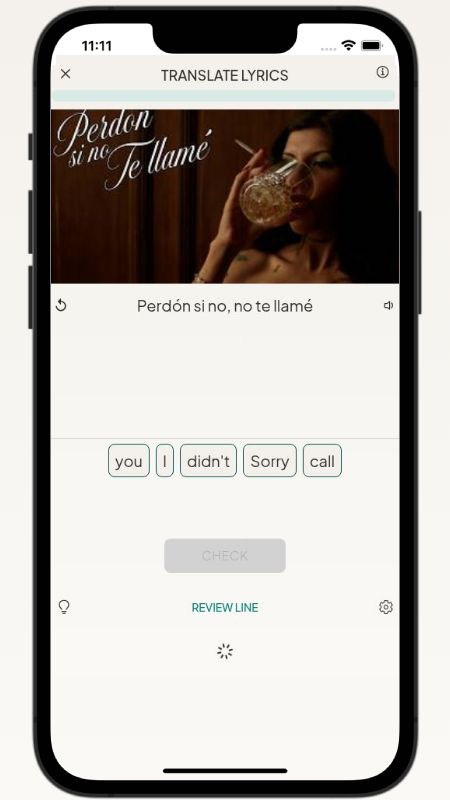
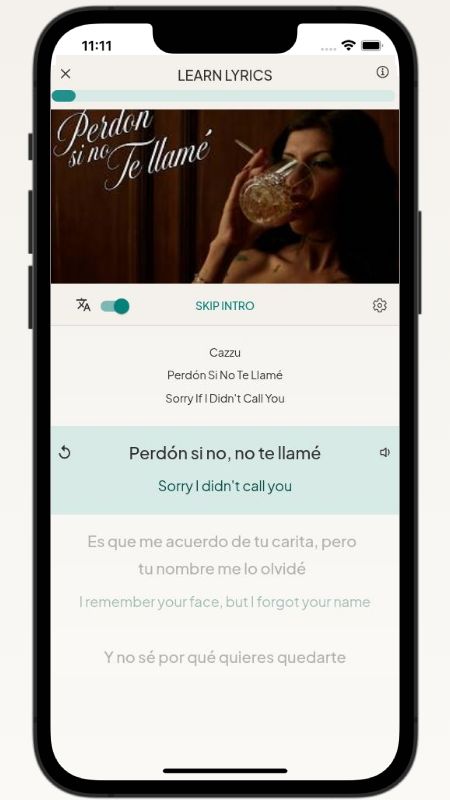
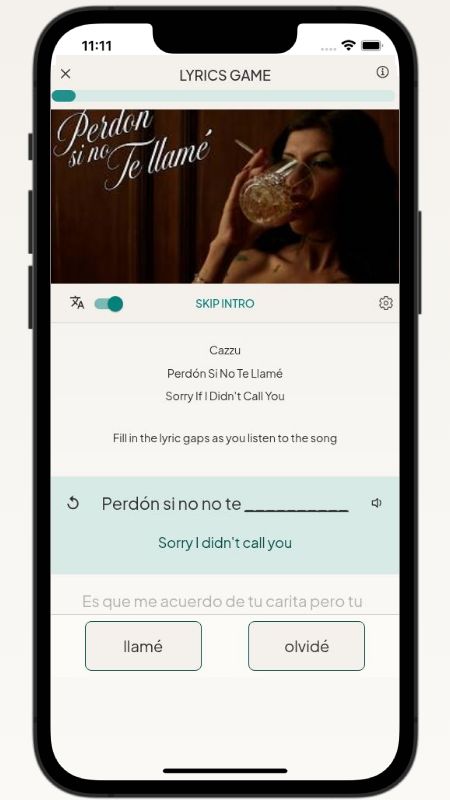
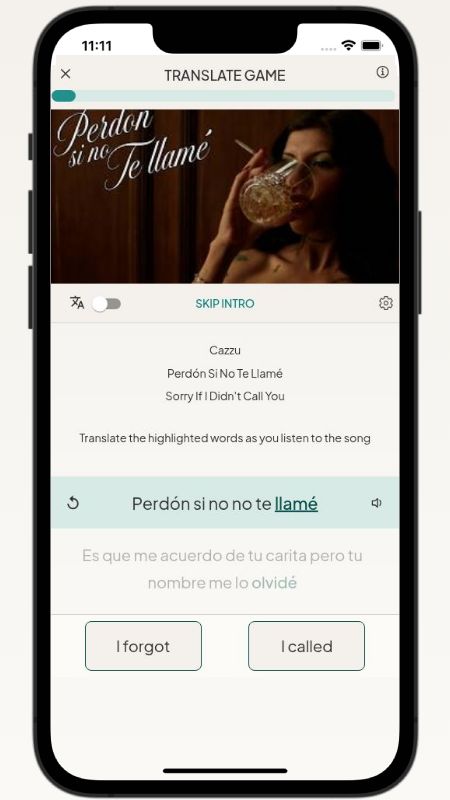
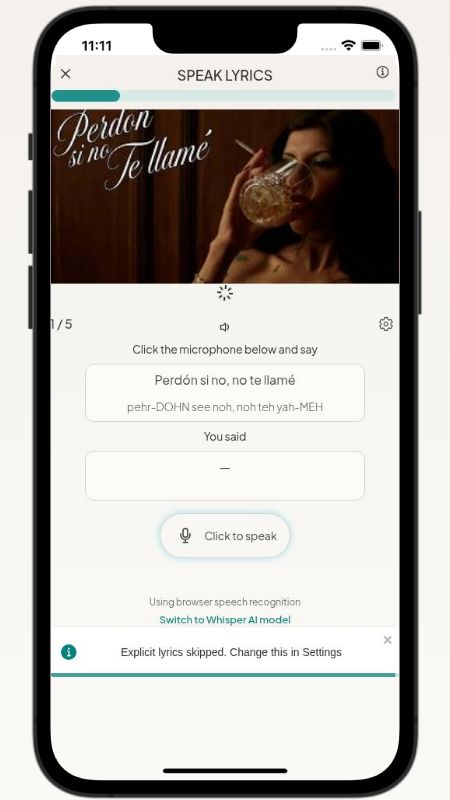
Argentine trap and reggaeton star Cazzu is setting the rules straight, and she is delightfully blunt about it. The track starts with a laugh-out-loud excuse: "Perdón si no, no te llamé / Es que me acuerdo de tu carita, pero tu nombre me lo olvidé" ("Sorry if I didn't call you / It's just that I remember your face, but I forgot your name"). She admits her heart is broken and her place is a mess, yet she still wants physical fun without any emotional strings attached. When she sings "Pero no quiero tu amor, dáselo a otra" ("But I don't want your love, give it to someone else"), she means every word. She leans into the rumors about her being crazy, openly declaring that she prefers money, nightclubs, and fast living over romance.
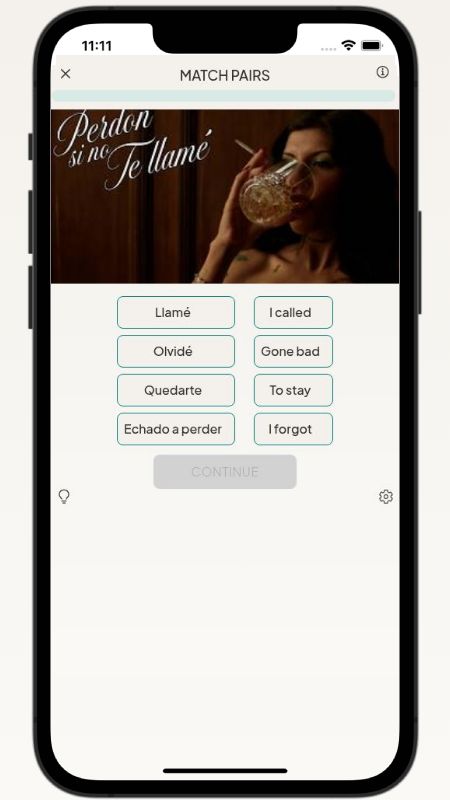
She also drops some fantastic slang along the way. When she says "Yo te digo 'vamos', tú me dices 'fierro'", she uses Argentine slang where "fierro" (literally 'iron' or 'gun') means "I'm down" or "count me in." She boasts about her hustle to reach "los siete ceros" (seven figures) and makes it clear nobody can tie her down. Her best line delivers the ultimate reality check: "Yo no soy país pa' que vengan y me conquisten" ("I'm not a country for people to come and conquer me"). By morning, she expects her guest to be long gone, and she honestly does not care who they sleep with next.






















![Peli-Culeo [Remix] Lyrics Translation](https://img.youtube.com/vi/lPEETy25iug/mqdefault.jpg)